

The SIM card has been a constant in mobile connectivity for over two decades. It identifies your line, authenticates you on a network, and enables calls, texts, and data. Today, that familiar plastic card is being replaced by a more flexible, software-driven alternative: the eSIM.
If you are considering a modern smartphone such as the Samsung Galaxy S25 Ultra or the iPhone 15, eSIM is no longer optional. It is a core part of how these devices are designed to connect.

This guide explains what eSIM is, how it works, where it stands in Kenya, and whether it is the right move for you now.
What is eSIM?
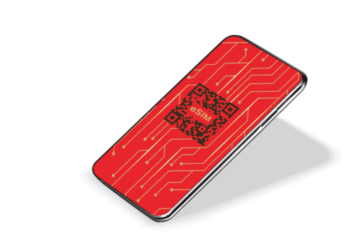
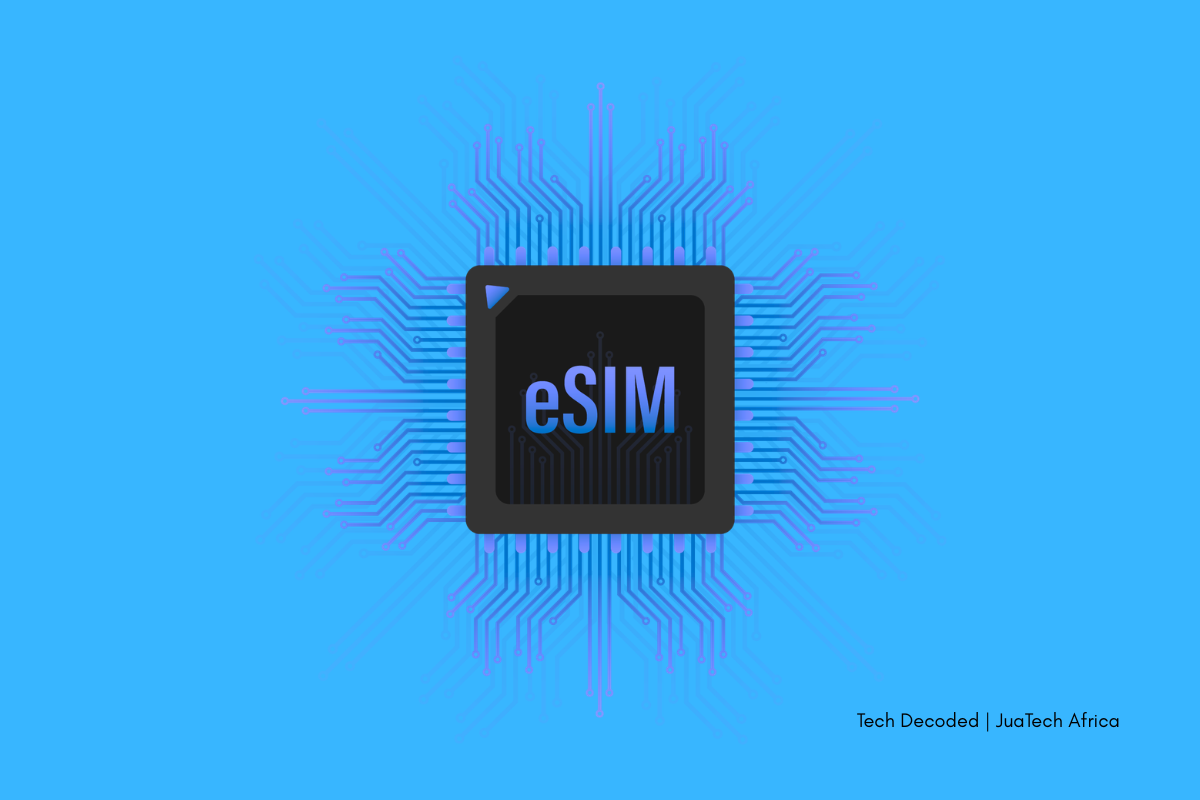
eSIM stands for Embedded SIM. It is a programmable chip built directly into your device that performs the same function as a traditional SIM card without requiring a physical card.
Instead of inserting a SIM, your mobile operator delivers your subscription digitally. Your device stores this information as a carrier profile, which allows it to connect to the network.
This change removes the need for SIM trays and manual swapping. It also enables new capabilities that are not practical with physical SIM cards, such as storing multiple profiles and switching between them instantly.
For users, the experience becomes simpler and more controlled. For manufacturers, it enables better device design and durability.
How eSIM Works
eSIM operates through a global standard called Remote SIM Provisioning (RSP). This system enables mobile operators to deliver SIM credentials over the internet securely.
In practice, the process is straightforward and consistent across most devices:
When you request an eSIM, your carrier provides a QR code or activation details tied to your mobile line. You scan this code from your phone settings. The device then connects to the operator’s servers and downloads your encrypted carrier profile onto the embedded chip.
Once the profile is installed, your phone registers on the network and becomes active within minutes.
The key advantage lies in flexibility. Your device can store multiple profiles, which allows you to switch between numbers or networks without removing any hardware. This is particularly useful for users managing both personal and work lines, or for those who travel frequently.
eSIM vs Physical SIM
A physical SIM and an eSIM serve the same purpose, but they differ significantly in how they are used.
A physical SIM requires manual handling. Changing networks involves replacing the card. Losing the SIM means visiting a service center for a replacement. Device design must accommodate a SIM tray.
eSIM removes these constraints. Network changes happen digitally. Multiple profiles can coexist on one device. There is no physical component to lose or damage.
This shift improves both usability and reliability. It also allows manufacturers to reclaim internal space, thereby improving battery capacity and water and dust resistance.
Why eSIM Matters in Real Use
eSIM delivers practical value that goes beyond convenience.
For everyday users, it simplifies device management. There is no need to carry or store SIM cards. Setup is faster, especially when switching devices or restoring a line.
For professionals and business users, eSIM enables multi-line flexibility. You can run separate numbers for work and personal use on one device without compromise.
For frequent travelers, eSIM eliminates the need to search for local SIM cards. You can activate a local or international plan before you land, reducing downtime and avoiding roaming costs.
For device longevity, the absence of a SIM tray improves durability and reduces points of failure. This contributes to better long-term performance, especially in demanding environments.
Current Limitations
eSIM is mature, but adoption is still uneven in some markets.
Not all smartphones support eSIM, particularly in the entry-level and lower mid-range segments. Carrier support can also vary, which may affect how quickly you can activate or transfer a line.
There is also a transition gap. Users accustomed to physical SIMs may need time to adapt to a digital process, especially when managing multiple profiles.
These limitations are reducing each year as both device manufacturers and network operators standardize their systems.
eSIM in Kenya: Current State
In Kenya, eSIM is available but not yet universal. Safaricom leads in deployment and offers the most consistent eSIM experience across supported devices. Airtel Kenya has expanded its support, though availability and activation processes may vary by location. Telkom Kenya has a limited presence in the eSIM space at this time.
For users, this means eSIM is viable if you are on a compatible device and within supported networks. Before switching, it is advisable to confirm support with your carrier and ensure your device is unlocked and eSIM-ready.
Devices such as the Google Pixel 8 and Samsung Galaxy Z Fold5 are fully compatible and positioned to take advantage of current offerings.
Devices That Support eSIM
eSIM support is now standard across flagship smartphones and is expanding into upper mid-range devices. Current examples include the Samsung Galaxy A Series, S25/26 Series, and the iPhone 15/16/17, all of which support dual SIMs via eSIM*.
The industry’s direction is clear. Some markets already have devices that ship without a physical SIM tray. This indicates a long-term transition toward fully digital connectivity.
How to Activate eSIM
The activation process is consistent across most Android and iOS devices. Request an eSIM from your mobile carrier and obtain the QR code linked to your number. On your device, navigate to mobile network settings and select the option to add an eSIM. Scan the QR code and follow the prompts to download and install your carrier profile.
Activation typically completes within a few minutes. Once done, your device connects to the network immediately.
For device changes, you may need to request a fresh QR code depending on your carrier’s policy.
The Direction of Travel
eSIM is part of a broader shift toward fully digital device ecosystems. As adoption increases, physical SIM cards will become less common and eventually obsolete in many markets.
The impact is straightforward. Users gain faster network access, greater control over their connectivity, and fewer physical limitations. Businesses benefit from scalable, remote deployment of mobile services.
For readers of JuaTech Africa, understanding eSIM is not optional. It is foundational to how modern smartphones operate today and how they will evolve in the future.
FAQs
- Is eSIM better than a physical SIM?
Yes. eSIM offers faster setup, easier network switching, and the ability to store multiple profiles. It reduces reliance on physical components and improves overall usability without affecting network performance.
2. Can I use eSIM and a physical SIM at the same time?
Yes. Most modern smartphones support dual SIM functionality using one eSIM and one physical SIM. Some devices also support multiple eSIM profiles, though only one or two can be active at a time, depending on the model.
3. Is eSIM available in Kenya right now?
Yes. Safaricom provides the most reliable eSIM support. Airtel Kenya also supports eSIM, with availability improving. It is important to confirm compatibility with your specific device before activation.
4. Does eSIM affect call quality or internet speed?
No. eSIM does not change network performance. Call quality, data speeds, and coverage depend entirely on your carrier and network conditions, not the SIM format.
5. Do I need the internet to activate eSIM?
Yes. An internet connection is required to download the carrier profile during setup. This can be done over Wi-Fi or an existing mobile connection.
6. Can I move my eSIM to a new phone?
Yes, but the process depends on your carrier. In most cases, you will need to request a new QR code or transfer authorization to activate the profile on a different device.
7. What happens if I reset my phone?
A factory reset may remove your eSIM profile. You will need to reinstall it using your carrier’s activation process. Some devices offer backup options, but this varies by manufacturer.
8. Is eSIM secure?
Yes. eSIM is highly secure. Profiles are encrypted and tied to your device. Since there is no physical SIM, it reduces the risk of SIM theft or unauthorized removal.
9. Can I delete or switch eSIM profiles?
Yes. You can remove, disable, or switch between stored profiles at any time through your device settings.
10. Will physical SIM cards disappear completely?
The industry is moving in that direction. While physical SIMs are still widely used, many manufacturers and markets are transitioning toward eSIM-only designs. Full replacement will happen gradually over the next several years.
Final Take
eSIM represents a clear step forward in mobile connectivity. It simplifies how you connect, reduces friction in everyday use, and aligns with the direction modern devices are taking.
For users in Kenya and across emerging markets, the opportunity is already here. The decision now is not whether eSIM will matter, but when it will become your default way of staying connected.