

Analytica — Market Intelligence by JuaTech Africa
───────────────────────────────────────────────
Executive Summary

Smartphone value in 2026 is undergoing a fundamental recalibration. While devices continue to advance technically, the traditional relationship between price, performance, and perceived worth has weakened. Higher cost no longer guarantees clearer justification, and upgrading is no longer an automatic decision.
This shift does not reflect declining innovation. It reflects market maturity. Performance improvements have moved beyond everyday requirements, software ecosystems have stabilized, and core usage patterns have remained largely unchanged. As a result, technological progress increasingly delivers diminishing emotional return.
Buyers are responding rationally. Upgrade cycles are extending, purchasing decisions are becoming more deliberate, and value is now assessed through lived experience rather than launch specifications. Reliability, battery endurance, thermal stability, and long-term usability carry greater influence than peak capability.
This evolution builds on earlier Analytica findings that examined how smartphone pricing in Kenya increasingly diverges from global models, exposing a widening gap between cost structures and consumer perception. Together, these dynamics reveal a deeper truth: smartphone value has decoupled from price.
In 2026, worth is defined less by what a device can do and more by how seamlessly it fits into daily life. This represents not a technological slowdown, but a psychological reset — one reshaping how smartphones are evaluated, purchased, and positioned in a mature global market.
Introduction: The Upgrade Paradox
Smartphones in 2026 are more capable than ever. Displays are brighter and more fluid, processors are faster, cameras are increasingly intelligent, and software is more refined across every price tier. By technical standards alone, the modern smartphone has never been more advanced.
Yet for many users, the desire to upgrade has softened.
New releases are noticed, discussed, and compared — but rarely felt as necessary. The decision to replace a device now carries hesitation rather than excitement. Not because innovation has disappeared, but because its impact on everyday use feels less pronounced than it once did.
This growing pause is not apathy. It reflects a shift in how smartphone value is experienced and evaluated. As devices continue to improve, the gap between what they can deliver and what most people actually require has narrowed. The result is a subtle but important tension between progress and relevance.
To understand why smartphone value is changing in 2026, it is no longer enough to look solely at specifications. The answers lie in how people now relate to their devices — and what they increasingly expect in return.
The Old Smartphone Value Equation
For much of the smartphone era, value followed a simple and reliable equation. Newer devices were faster, sharper, and more capable in ways that were immediately visible. Upgrading brought clearer screens, noticeably smoother performance, improved cameras, and tangible gains in everyday use.
Each generation made its case quickly. The difference between an older device and a new one could be felt within minutes — in responsiveness, image quality, battery life, and overall experience. Paying more often led to an obvious improvement, reinforcing the belief that progress and value moved in the same direction.
This model shaped consumer expectations for more than a decade. Smartphones advanced rapidly, and upgrades felt justified because the benefits were easy to see and easy to feel. Value was closely tied to advancement, and advancement was frequent.
That equation, however, has begun to weaken.
As smartphone technology has matured, visible generational leaps have become harder to distinguish. Improvements still exist, but their impact is subtler — less transformative, more incremental. The result is a growing gap between technical progress and emotional reward.
The traditional smartphone value equation still operates — but it no longer delivers the same return.
What Changed Beneath the Surface
The Performance Plateau
For most users, smartphone performance has reached a practical ceiling. Modern devices now exceed the demands of everyday tasks by a wide margin, making additional speed increasingly difficult to perceive. While processors continue to improve, the benefits rarely translate into meaningful differences in daily use. This performance plateau has reshaped expectations, weakening the traditional link between higher capability and stronger motivation to upgrade.
In this environment, benchmarks and specifications no longer reflect lived experience. What matters is not how fast a device can be, but whether it ever feels slow.
Software Maturity
Alongside hardware, smartphone software has entered a period of stability. Operating systems have become more refined, efficient, and predictable, reducing the friction that once defined older devices. Features now focus on polish rather than transformation, improving consistency instead of redefining usage.
As software maturity increases, the experience gap between device generations narrows. Updates extend usefulness rather than signal obsolescence, contributing to longer upgrade cycles across the market.
Stabilized App Ecosystems
The smartphone app ecosystem has also settled. Core applications — messaging, media, productivity, payments, and social platforms — have reached functional maturity. New versions refine interfaces but rarely introduce behavior-changing features.
Because these apps perform reliably across a wide range of hardware, the incentive to seek newer devices diminishes. When essential experiences are consistent across generations, perceived value becomes less dependent on constant replacement.
Use-Case Saturation
Most smartphone users now rely on a stable set of daily activities. Communication, content consumption, navigation, photography, and work-related tasks remain largely unchanged year to year. As use cases stabilize, additional capabilities deliver diminishing returns in terms of emotion.
This is the underlying shift shaping the smartphone market analysis in 2026. Capability has continued to advance, but necessity has not kept pace. As a result, upgrading is no longer driven by need but by choice—a distinction that fundamentally alters how value is perceived.
The New Drivers of Smartphone Value in 2026
Reliability Over Raw Capability
As performance differences narrow, reliability has moved to the center of smartphone value. Users now care less about peak power and more about consistency. A device that performs the same way every day carries greater perceived worth than one that can do more but is prone to instability. Smooth operation, predictable behavior, and freedom from interruptions now define quality in practical terms.
Battery Endurance as a Daily Metric
Battery capacity alone no longer tells the full story. What matters is endurance. Users measure value by how confidently a phone lasts through the day — not by specifications, but by experience. A device that removes charging anxiety delivers immediate psychological relief, making battery performance one of the strongest drivers of satisfaction in 2026.
Charging Convenience Over Absolute Speed
Fast charging remains important, but convenience matters more. Short, reliable top-ups fit modern routines better than full charge cycles. The ability to regain meaningful power quickly has become a daily utility, reshaping how users evaluate smartphone value in real-world conditions.
Thermal Stability and Comfort
Heat has become a silent deal-breaker. Devices that remain cool and stable under normal use inspire confidence, while those that warm unpredictably create friction. Thermal stability now influences trust, comfort, and long-term usability — factors rarely listed on spec sheets, yet deeply felt in everyday use.
Long-Term Usability
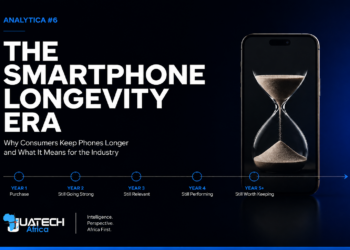
Longevity has emerged as a defining expectation. Users increasingly judge value by how long a device can remain dependable, responsive, and supported. Extended usability reduces upgrade pressure and strengthens emotional attachment, reinforcing the shift toward slower, more deliberate purchasing behavior.
In 2026, smartphone value is defined less by what a device can do — and more by how little friction it introduces.
This shift explains why value now feels personal rather than technical. Modern smartphones succeed not by impressing once, but by staying out of the way every day.
Why Midrange Smartphones Now Feel “Enough”
For many users in 2026, the decision to choose a midrange smartphone no longer feels like settling. It feels deliberate. What was once viewed as a compromise is increasingly understood as a balance — a reflection of how smartphone value has evolved.
The experience gap between midrange and premium devices has narrowed substantially. Displays are smooth and bright, everyday performance is stable, cameras meet real-world expectations, and battery endurance often rivals — or exceeds — that of more expensive alternatives. For typical usage, these capabilities satisfy nearly all daily needs.
This shift has changed how people evaluate upgrades. When common tasks feel equally reliable across price tiers, the emotional justification for paying significantly more weakens. The perceived difference becomes incremental rather than transformative, reshaping upgrade behavior across the smartphone market.
Midrange devices also benefit from alignment with modern priorities. They emphasize efficiency over excess, endurance over extremes, and consistency over spectacle. These qualities mirror how most people actually use their phones — continuously, predictably, and over extended periods.
As a result, midrange smartphones now deliver a sense of completeness. They perform without friction, last through the day, and remain dependable over time. For many users, that combination defines value more clearly than cutting-edge features ever could.
This does not mean premium smartphones have lost relevance. It means the market’s center of gravity has shifted. When reliability, longevity, and everyday comfort define satisfaction, “good enough” becomes not a limitation — but the new benchmark.
Why Flagship Smartphones Are Harder to Justify
Flagship smartphones in 2026 remain technological achievements. They introduce advanced features, premium materials, and the most refined hardware available at any given moment. Yet despite these strengths, their value proposition has become increasingly difficult for many users to rationalize.
The challenge is not capability — it is proportionality.
As smartphone performance has matured, the gains at the premium end have narrowed. Improvements still exist, but they are often concentrated in edge cases that affect fewer users. For everyday tasks, the difference between a high-end device and a well-optimized alternative is rarely decisive, making the perceived return on a significantly higher cost questionable.
This shift has altered how upgrades are evaluated. Where flagships once represented clear progress, they now require explanation. Features must be justified, not simply experienced. The emotional clarity that once accompanied premium purchases has softened.
Flagship devices have also become increasingly specialized. Their strongest advantages serve power users, creators, and professionals with specific demands. For the broader market, these benefits may remain impressive — yet largely unused.
As a result, premium smartphones are no longer universal aspirations. They are targeted tools. Their relevance depends less on status and more on personal use case, making them less central to mainstream upgrade behavior.
This does not diminish their importance. It redefines it. In a market shaped by value, stability, and long-term usability, justification matters more than prestige — and justification is now personal, not automatic.
What This Shift Means for Buyers
The changing definition of smartphone value has altered how people approach purchasing decisions. Upgrading is no longer an automatic response to new releases, but a measured choice shaped by relevance, timing, and personal need.
Many buyers now extend their upgrade cycles. Devices are kept longer, not because options are limited, but because performance remains sufficient for everyday use. When smartphones continue to feel reliable over time, urgency fades, and replacement becomes discretionary rather than necessary.
This shift has also increased selectivity. Buyers compare less for specifications and more for experience. Factors such as battery endurance, stability, and long-term usability carry greater weight than peak performance. Value is judged through daily interaction, not launch-day impressions.
As a result, purchasing behavior has become more intentional. Consumers pause before upgrading, wait for clearer justification, and resist change unless it offers tangible improvement. This hesitation is not indecision — it is adaptation.
In 2026, buyers are responding rationally to a mature smartphone market. They are no longer chasing innovation for its own sake. Instead, they seek confidence: assurance that a device will integrate smoothly into daily life and remain dependable over time.
This evolution reflects a broader mindset shift. Smartphone ownership is moving from frequent replacement toward considered continuity — a change that redefines what it means to buy, keep, and value a device in the modern era.
What This Shift Means for Brands
Value Narratives Must Evolve
As consumer perception changes, traditional product messaging becomes less effective. Emphasizing peak specifications or incremental performance gains no longer resonates as strongly with a market focused on daily experience. Brands must now communicate value in terms that reflect lived usage rather than technical superiority.
This requires a shift from showcasing what devices can achieve in ideal conditions to demonstrating how they perform consistently over time.
Durability, Stability, and Trust Gain Weight
In a mature smartphone market, trust becomes a competitive asset. Buyers increasingly associate value with reliability, thermal stability, battery endurance, and long-term usability — qualities that are felt repeatedly, not noticed once.
Brands that reinforce confidence through consistency, transparent support policies, and dependable performance strengthen long-term perception, even when innovation cycles slow.
Midrange Competition Intensifies
As the market center expands, competition in the midrange grows sharper. Differentiation becomes more complex when core experiences converge. Success in this segment depends less on specification leadership and more on balance, optimization, and coherence.
Positioning errors here carry greater risk, as consumers are more informed, more comparative, and less tolerant of mismatched pricing.
Flagship Strategy Requires Precision
Premium devices now serve narrower audiences. Their role is less about volume and more about brand signaling, ecosystem leadership, and innovation direction. This places pressure on clarity — flagships must justify their purpose rather than assume it.
When positioning lacks precision, premium pricing invites scrutiny rather than aspiration.
The Strategic Imperative
In 2026, brands operate in an environment where perception travels faster than performance. Value is shaped through cumulative experience, not launch moments. Those that align product design, communication, and long-term support around reduced friction stand to earn sustained relevance.
This shift does not diminish innovation. It demands discipline — a clearer understanding of who devices are built for, and why they matter beyond release day.
Closing Insight
The transformation unfolding within the smartphone market is neither abrupt nor accidental. It reflects a deeper structural shift — one shaped by maturity, behavior, and evolving expectation rather than by diminishing innovation.
In 2026, value is no longer established at launch. It forms gradually, through consistency of use, reliability over time, and the absence of friction in everyday experience. As devices become more capable, relevance increasingly depends on how seamlessly they fit into real life — not how impressively they perform in isolation.
This reframing aligns with earlier Analytica findings on how smartphone pricing in Kenya continues to diverge from global models, revealing a widening gap between cost, perception, and lived value. Together, these shifts point to a market adjusting its internal logic — one where worth is evaluated contextually, not universally.
The smartphone industry is not slowing. It is recalibrating.
And as this recalibration continues, the devices that endure will not be defined by how much they promise, but by how consistently they deliver — quietly, reliably, and with minimal compromise.
— Analytica by JuaTech Africa