

KES 35,000 is not a small amount of money.
For many Kenyan buyers, that amount represents a month’s rent, school fees, transport for weeks, a chama contribution, savings toward a plot of land, or capital for a small business idea. It is money that competes with real responsibilities.

Spending it on a smartphone is not casual. It is a decision that must be justified. Which device will offer real value for money for this amount?
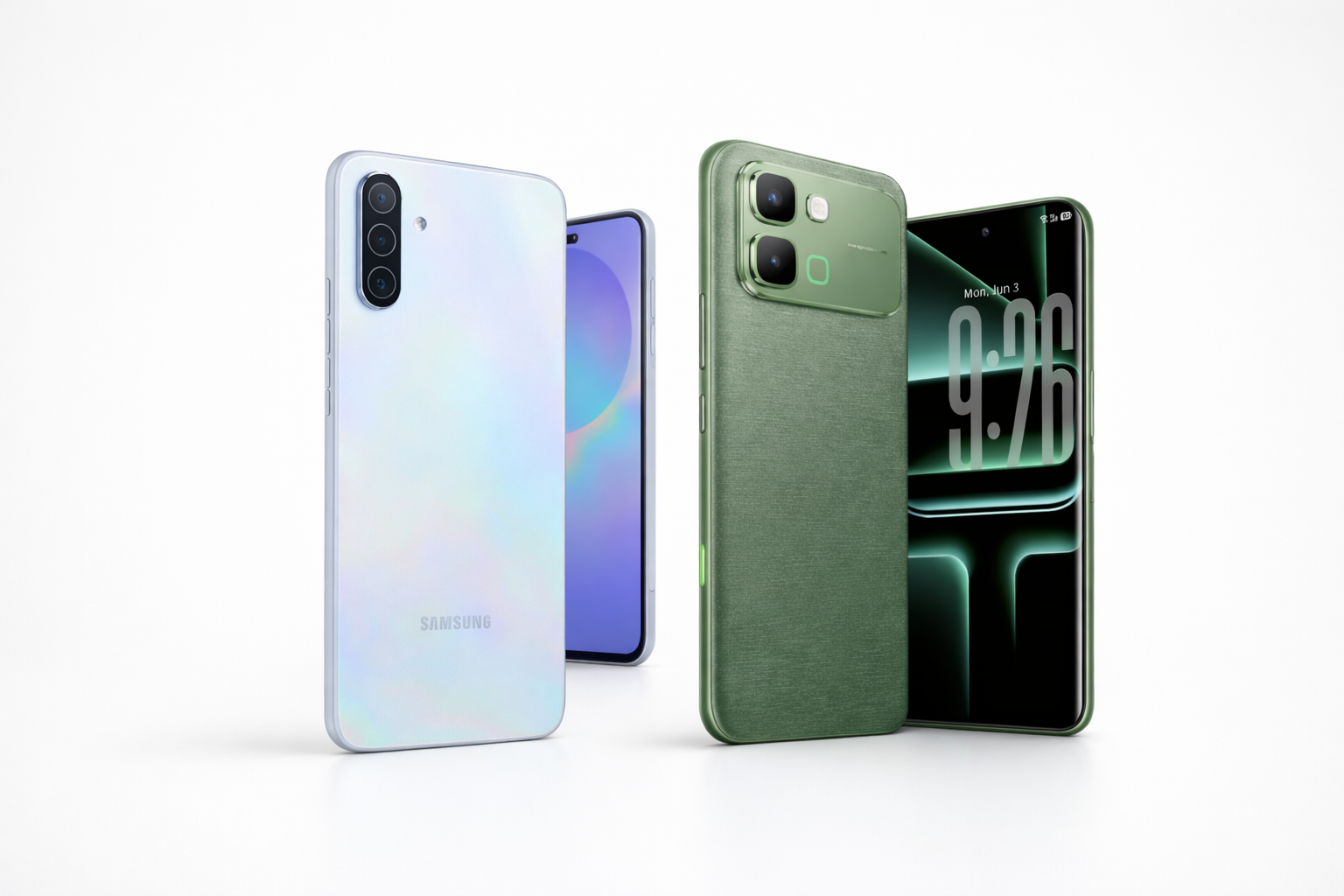
That is exactly why the comparison between the Infinix Note Edge vs Samsung Galaxy A36 5G matters. Both sit firmly in the midrange smartphone category under KES 35,000. Both promise AMOLED displays, dependable performance, capable batteries, and 5G connectivity. On paper, they appear equally sensible.
But equal on paper does not always translate to equal in practice.
Most buyers searching “Infinix Note Edge vs Samsung Galaxy A36 5G” are not looking for a spec war. They are looking for reassurance. They want to know which phone will quietly support long WhatsApp days, unstable power schedules, fluctuating network conditions, and months of consistent use without regret.
Samsung offers brand familiarity and software maturity. Infinix offers stronger hardware value within the same price bracket. One feels safe. The other feels generous.
So the real question is not which phone is more powerful.
It is: ‘Which phone makes more sense for your daily use, your financial reality, and your long-term peace of mind?
This comparison is built to answer that clearly and responsibly.
Quick Comparison Overview
Before diving deeper, here is a clear side-by-side overview of the most decision-relevant specifications.
| Feature | Infinix Note Edge | Samsung Galaxy A36 5G |
| Display | 6.78-inch Curved AMOLED, 120Hz | 6.6-inch Super AMOLED, 120Hz |
| Processor | MediaTek Dimensity 7100 (6nm) | Snapdragon 6 Gen 3 (4 nm) |
| RAM | Up to 12GB + Extended RAM | Up to 8GB |
| Storage | Up to 256GB | Up to 256GB |
| Camera | 50MP primary lens with 1440p @30fps | 50MP + 8MP + 5MP recording 4K videos |
| Battery | ~6500mAh | 5000mAh |
| Charging | 45W Fast Charging | 25W Fast Charging |
| Software | XOS (Android-based) | One UI (Android) |
| 5G Support | Yes | Yes |
| Price Range | Under KES 35,000 | Under KES 35,000 |
Specifications matter. However, what matters more is how those specifications translate into daily use.
The Decision Beneath the Specifications
Although the Infinix Note Edge and Samsung Galaxy A36 5G share a similar price bracket, their philosophies differ.
Samsung builds around software optimization, ecosystem trust, and update consistency. Infinix builds around aggressive hardware value, larger battery capacity, and standout design. Read on Infinix Note Edge in daily use.
In simple terms:
- Samsung emphasizes stability.
- Infinix emphasizes strength.
The right choice depends on how you define value.
Design and Display: Expression vs Familiarity
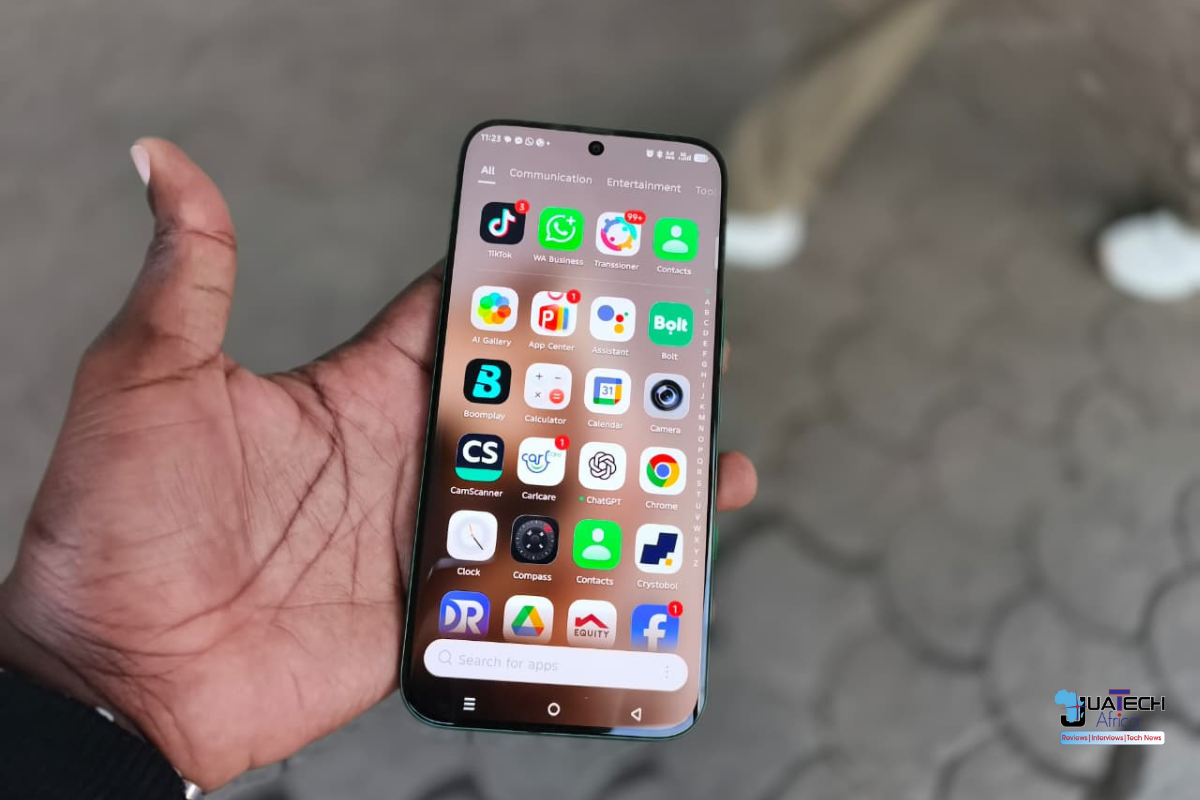
The Infinix Note Edge features a 6.78-inch curved AMOLED display with a 120Hz refresh rate. The curved edges give it a premium feel and immersive scrolling experience. For users who enjoy visual flair and fluid animations, it immediately feels modern.
The Samsung Galaxy A36 5G features a slightly smaller, flat Super AMOLED display with a 120Hz refresh rate. The flat design reduces accidental touches and feels more traditional. Samsung’s display tuning typically delivers balanced, natural color reproduction.
Under bright outdoor conditions, both displays remain usable. Samsung often maintains more color accuracy, while Infinix leans toward punchier tones.
If you value immersive aesthetics and bold design, the Infinix Note Edge stands out. If you prefer understated consistency and ergonomic comfort, the Galaxy A36 5G feels dependable.
Performance and Multitasking: Hardware Confidence vs Software Balance
The Infinix Note Edge is powered by the MediaTek Dimensity 7100 chipset, built on a 6nm process. With up to 12GB of RAM and support for extended RAM, it handles multitasking comfortably. Switching between WhatsApp, browsers, mobile banking apps, and social media feels responsive.
Extended RAM uses storage to assist background app management. It does not increase raw power, but it helps reduce app reloads under pressure.
The Samsung Galaxy A36 5G typically uses a Snapdragon midrange processor. Although the RAM ceiling may be lower, Samsung’s One UI optimization plays a crucial role. The system often feels refined and stable over time.
In short bursts, Infinix may feel slightly more aggressive. In prolonged daily use, Samsung often feels smoother and more controlled.
For heavy multitaskers and users who regularly push their phones to the limit, the Infinix Note Edge offers hardware reassurance. For users who value consistency and software polish, the Galaxy A36 5G delivers stability.
Battery Life and Charging: Endurance vs Efficiency
Battery performance is critical in Kenya and across Africa, where power interruptions are common.
The Infinix Note Edge comes with a large 6500mAh battery and 45W fast charging. This combination provides extended screen time and quick top-ups when electricity is available. For users who stream heavily or travel frequently, that extra capacity can reduce anxiety.
The Samsung Galaxy A36 5G offers a 5000mAh battery with 25W charging. While the battery is smaller, Samsung’s background optimization helps maintain stable power consumption.
The difference becomes practical rather than theoretical.
- Infinix gives you longer raw endurance and faster charging.
- Samsung delivers predictable, balanced consumption.
If your usage is heavy and unpredictable, Infinix offers a physical battery for added comfort. If your usage is moderate and structured, Samsung’s efficiency holds its own.
Software Experience and Updates: Short-Term Value vs Long-Term Assurance
Software longevity often determines how a phone feels after two or three years.
Samsung has built a reputation for consistent Android updates and extended security patches. This long-term commitment matters for users who keep their devices longer.
Infinix has significantly improved its software experience, but Samsung still holds an advantage in update reliability and ecosystem integration.
If you upgrade every two years, this difference may not influence your decision. If you intend to keep your phone long-term, Samsung’s track record adds reassurance.
Camera Performance: Realistic Expectations
Camera marketing in the midrange segment can be exaggerated.
Samsung typically prioritizes image processing stability and color balance. Results often appear natural across different lighting conditions.
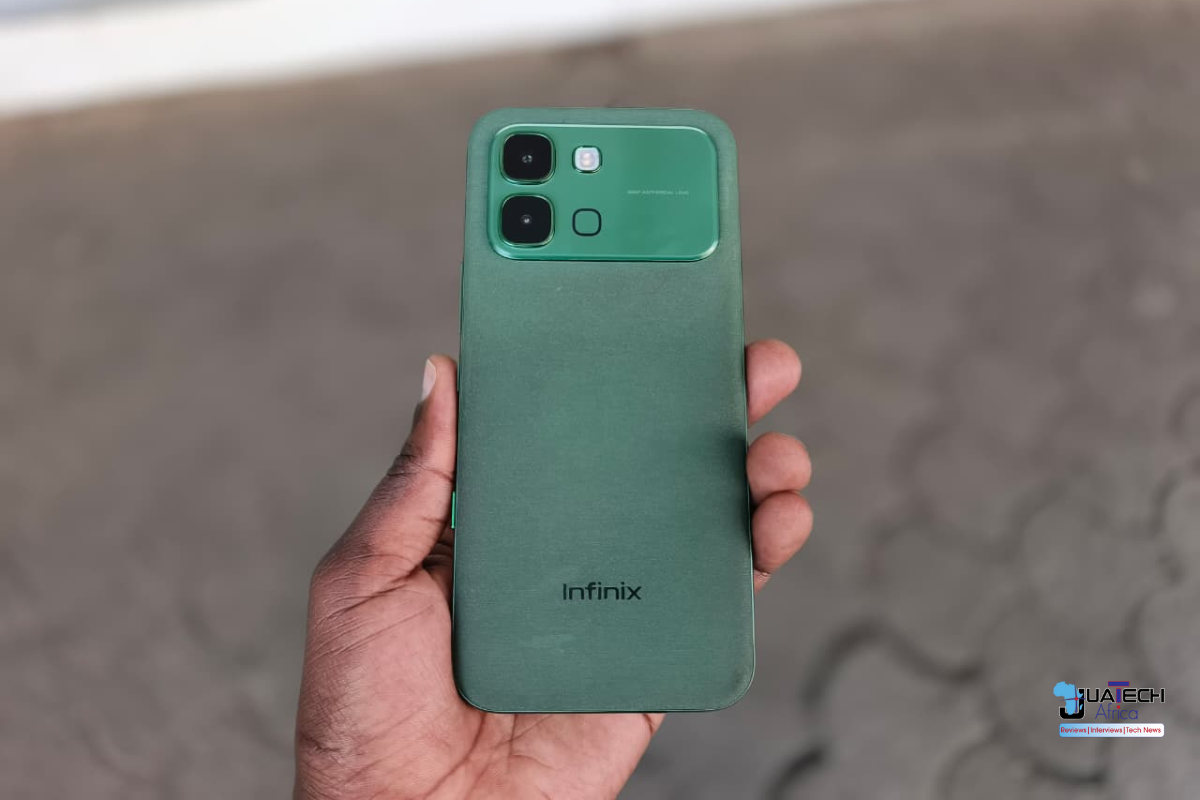
Infinix tends to emphasize bold output and higher sensor numbers. In bright daylight, images can look vibrant and detailed. In low-light situations, consistency may vary compared to Samsung’s processing style.
For everyday photography and social media, both devices are capable. If camera reliability under mixed lighting is crucial, Samsung may offer a slight edge.
Who Should Choose the Infinix Note Edge?
The Infinix Note Edge makes sense if you:
- Want maximum hardware for your money
- Prioritize battery size and fast charging
- Multitask heavily
- Prefer curved, modern design
- Upgrade frequently
It offers generous specifications in the midrange smartphone category under KES 35,000. Explore in depth who the Infinix Note Edge is meant for and why that matters before you buy, in our comprehensive editorial publication done earlier
Who Should Choose the Samsung Galaxy A36 5G?
The Samsung Galaxy A36 5G makes sense if you:
- Value long-term software updates
- Keep phones for several years
- Prefer predictable performance
- Trust Samsung’s ecosystem stability
- Prioritize camera consistency
It delivers measured, stable value.
Before You Spend Your Hard-Earned KES 35,000
At this level, the decision is not about finding a winner. It is about choosing the philosophy that fits your life.
Are you the type of buyer who prefers stronger hardware today and prefers to upgrade often? Or do you prefer long-term software stability and brand reassurance?
That distinction matters.
So let us ask directly.
If you were spending KES 35,000 today, which would you choose – the Infinix Note Edge or the Samsung Galaxy A36 5G?
And more importantly, why?
If you already use one of these devices, has your experience matched your expectations? Where did it surprise you? Where did it disappoint you?
Share your reasoning in the comments. Someone else reading this is facing the same decision you are.
Technology conversations are strongest when real users speak.
Clarity grows when perspectives meet.