

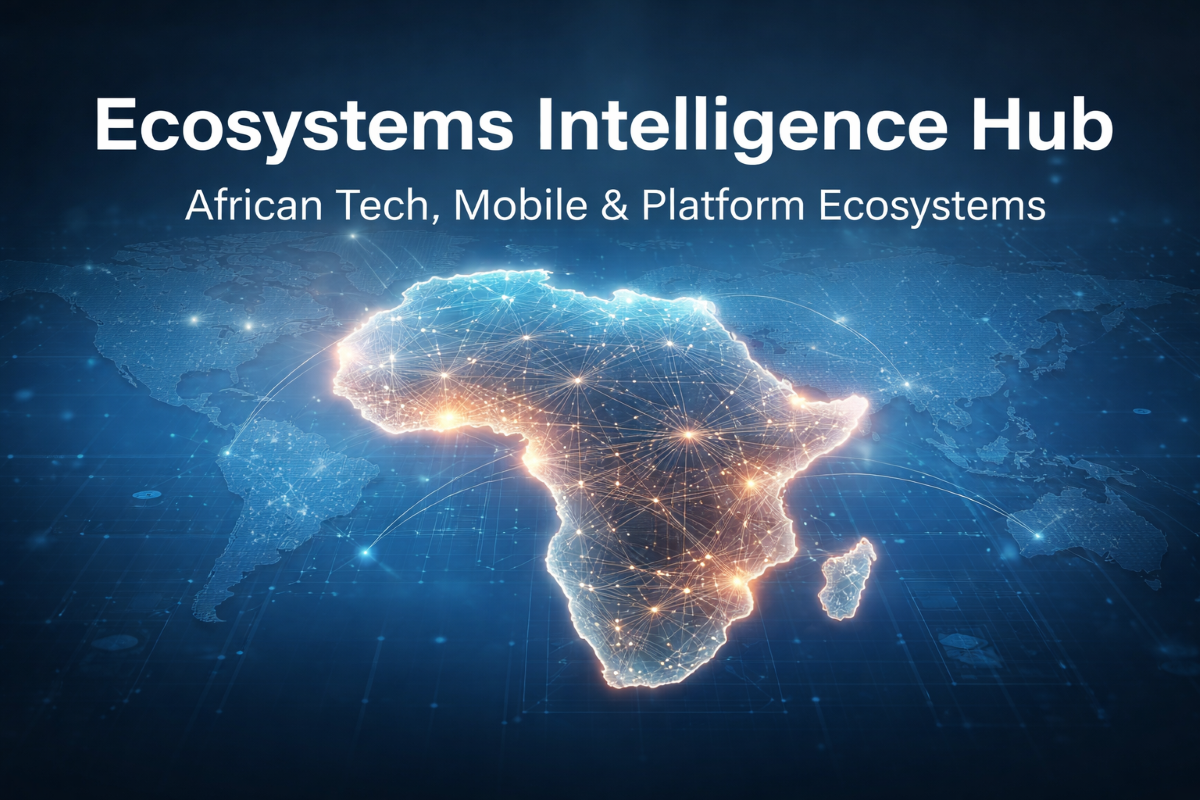
Technology ecosystems determine how innovation emerges, scales, and sustains long-term impact. They shape how devices connect, how platforms expand, how infrastructure develops, and how companies establish lasting competitive advantage. In modern technology markets, ecosystem strength often matters more than individual products.
An ecosystem is not defined by a single device, company, or service. It is defined by interconnected layers working together. Devices enable access. Platforms enable functionality. Infrastructure enables scale. Capital enables expansion. Institutions enable continuity. When these layers align, ecosystems create environments where innovation can develop sustainably and influence entire markets.
The Ecosystems Intelligence Hub at JuaTech Africa provides structured analysis of the ecosystem architectures shaping Africa’s digital economy and its relationship to global technology systems. This pillar examines how mobile, company, platform, and regional innovation ecosystems evolve, compete, and establish long-term influence.
Understanding ecosystems provides clarity into how technology markets function beneath the surface. It explains why certain platforms dominate, why companies sustain leadership, and how infrastructure enables or constrains technological progress.
Core Ecosystem Intelligence Domains
JuaTech Africa’s ecosystem intelligence focuses on four core domains that collectively define technological capability and market evolution.
African Tech Ecosystem
Analysis of the structural foundations shaping Africa’s digital economy, including innovation infrastructure, startup ecosystems, investment flows, telecommunications networks, and policy environments. This domain examines how African ecosystems develop, mature, and enable technological capability across the continent.
Explore African Tech Ecosystem →
Mobile Ecosystems
Strategic examination of integrated mobile ecosystems built around smartphones, operating systems, wearables, cloud services, and connected technologies. Analysis focuses on how ecosystem integration drives adoption, user retention, platform dominance, and competitive positioning.
Company Ecosystems
Intelligence on how technology companies build interconnected ecosystems spanning devices, software, cloud infrastructure, digital services, and distribution networks. Coverage examines ecosystem architecture, expansion strategy, and structural advantages that define long-term market leadership.
Platform Ecosystems
Analysis of foundational technology platforms, including operating systems, cloud computing infrastructure, artificial intelligence ecosystems, and digital service layers that power modern technology markets and enable ecosystem expansion.
Why Ecosystem Intelligence Matters
Technology leadership is no longer defined solely by product innovation. It is defined by ecosystem integration, infrastructure control, and platform influence. Ecosystems determine how users interact with technology, how companies compete, and how digital economies evolve.
Strong ecosystems create durable competitive advantages. They enable companies to retain users, scale services, and expand influence across multiple technology layers. Weak ecosystems struggle to sustain adoption and long-term growth.
At a continental level, ecosystem strength determines whether regions develop independent technological capability or remain dependent on external systems.
Understanding ecosystems provides insight into the structural forces shaping technological progress.
Ecosystem Intelligence at JuaTech Africa
JuaTech Africa examines ecosystems with analytical depth, structural clarity, and long-term perspective. This work provides insight into the infrastructure, platforms, companies, and institutional systems shaping Africa’s digital future.
This pillar serves as the foundation for ongoing ecosystem intelligence, delivering structured analysis of ecosystem evolution, competitive positioning, and technological capability across African and global technology landscapes.
As Africa’s digital economy continues to expand, ecosystem intelligence will remain essential to understanding the continent’s technological trajectory and global significance.