

Executive Summary
Foldable smartphones in 2026 have moved beyond experimentation and are now shaping the future of premium mobile technology. What once raised concerns around durability, usability, and cost has matured into a category defined by refinement, performance, and real-world practicality.

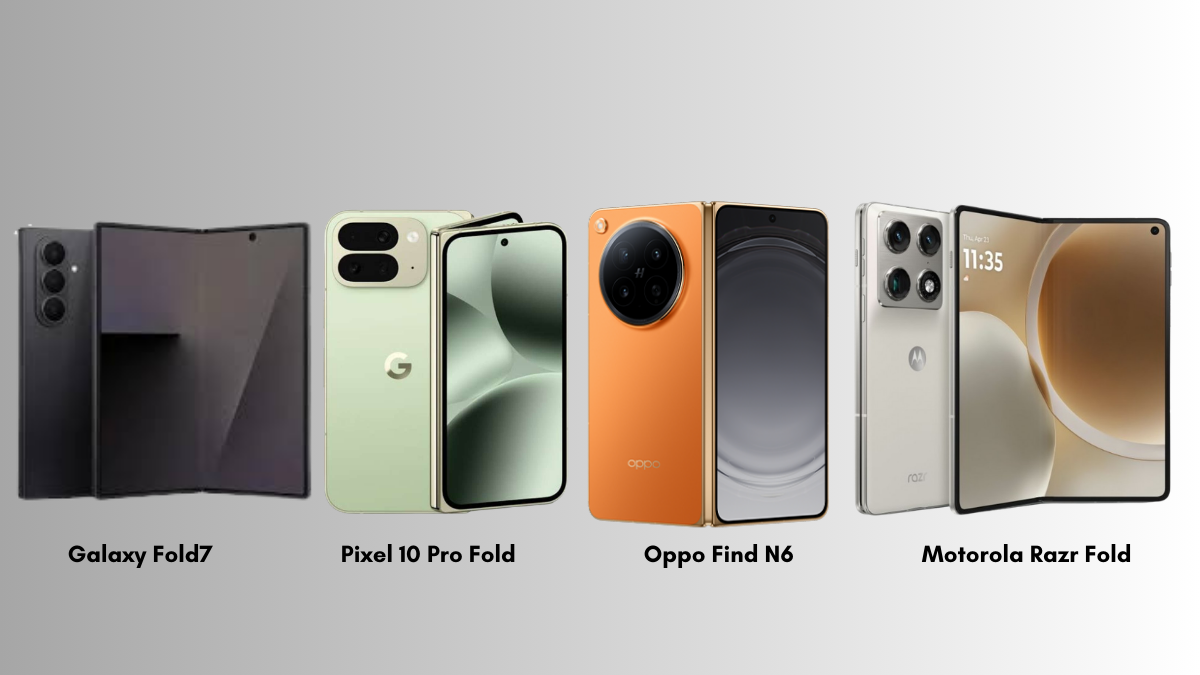
The market is driven by four distinct forces. Samsung leads with ecosystem strength, reliability, and long-term support, making it the safest choice for most buyers, especially in markets like Kenya. Google focuses on intelligence, using AI and software optimization to deliver a smarter, more adaptive user experience. Oppo is advancing hardware innovation, addressing key concerns such as crease visibility, build quality, and camera performance. Motorola is redefining value by combining strong battery life, balanced performance, and more accessible pricing.
For buyers, the decision is no longer about which foldable is best in general. It is about which device fits your usage, your expectations, and your budget over time.
In Africa, practical realities matter. Pricing, availability, repair support, and resale value will often determine the best choice more than global rankings.
Foldable smartphones are no longer about hype. They are about making sense in everyday use.
Foldable Smartphones Have Reached a Turning Point
Foldable smartphones in 2026 are no longer experiments. They are the clearest signal of where mobile technology is headed, and for the first time, they demand to be taken seriously.
Not long ago, foldable phones felt like ambitious prototypes rather than practical tools. They carried high price tags, visible creases, fragile builds, and software that struggled to justify the larger, flexible displays. The idea was exciting, but the compromises were hard to ignore. For most people, sticking with a traditional smartphone was the smarter and more reliable choice.
That reality has changed.
In 2026, foldable smartphones have reached a level of refinement that shifts the entire conversation. The best foldable phones now offer stronger displays, more durable hinge systems, and software experiences built for multitasking, productivity, and immersive use. They are no longer trying to prove they work. They are competing at the highest level of the smartphone market.
What makes this moment decisive is the direction each brand is taking. Samsung is doubling down on ecosystem strength and seamless usability. Google is redefining the experience through artificial intelligence and smarter software. Oppo is pushing hardware innovation to eliminate long-standing physical limitations. Motorola is challenging the category with a sharp focus on value, battery performance, and real-world practicality.
This is not just a comparison of devices. It is a collision of ideas, priorities, and long-term visions for the future of smartphones.
For the buyer, the question is no longer whether foldable smartphones are ready. The real question is which one is worth your money, your trust, and your everyday life.
Why Foldable Smartphones Matter in 2026
Foldable smartphones in 2026 are no longer an emerging technology. They are now central to how the future of mobile devices is being defined.
This shift did not happen overnight. Early foldable phones were marked by visible compromises, from fragile displays and noticeable creases to bulky designs and software that struggled to take advantage of larger, flexible screens. While the concept captured attention, the experience often failed to justify the cost for most users. Traditional smartphones remained the more practical and dependable choice.
That balance is changing rapidly.
The best foldable phones in 2026 are more refined, more durable, and more capable than ever before. Advances in ultra-thin glass, hinge engineering, and software optimization have addressed many of the early concerns. Performance now matches flagship standards, while improvements in battery life and thermal efficiency make these devices viable for everyday use. Foldable smartphones are no longer experimental alternatives. They are firmly positioned at the top of the premium smartphone market.
More importantly, their role has evolved.
Foldable smartphones are no longer about novelty or design alone. They are about function. They enable true multitasking, more immersive content consumption, and a more flexible approach to work and communication. They change how users interact with their devices on a fundamental level.
This is the defining shift.
Foldable smartphones in 2026 are not just improving the smartphone experience; they are also changing the way we use smartphones. They are redefining what a smartphone is and what it is expected to do.
The Four Forces Defining Foldable Smartphones in 2026
These four forces are not competing in isolation. Together, they reveal how foldable smartphones in 2026 are evolving from experimental devices into fully realized, high-performance computing platforms that are reshaping the premium smartphone market.
A. Hardware Innovation: Oppo’s Push Toward Perfection
Oppo is accelerating hardware innovation in foldable smartphones by directly addressing the category’s most persistent weaknesses. The visible crease, once a defining limitation, is being minimized through advanced hinge engineering and next-generation flexible display materials. The improvement is not cosmetic. It fundamentally changes how the device feels and how confidently users engage with it.
Build quality has reached a new level of precision. Oppo is combining lighter materials with structural strength to produce foldables that are thinner, more durable, and better suited for everyday handling. This shift matters because durability concerns have historically limited wider adoption of foldable phones.
Camera performance further strengthens Oppo’s position. By integrating flagship-grade sensors and refined image processing, Oppo is removing another long-standing compromise. Foldable smartphones no longer require users to sacrifice photography quality.
The broader implication is significant. Hardware is no longer the limiting factor in foldable smartphones in 2026. It has become a foundation that enables the category to compete directly with the best flagship devices.
B. Intelligence and Software: Google’s AI-Led Approach
Google is redefining foldable smartphones by shifting the focus from hardware capability to intelligent user experience. Through deep integration of artificial intelligence, Google is transforming how foldable devices respond to real-world usage.
AI-driven features enhance multitasking by anticipating user behavior, optimizing app placement, and improving workflow efficiency. On a foldable display, this becomes especially powerful. Larger screens are no longer just about space. They become dynamic environments where applications adapt, interact, and respond intelligently.
Software optimization is central to this approach. Google ensures that transitions between folded and unfolded states are seamless, while applications scale and reorganize in ways that feel intentional rather than forced. This level of refinement turns foldable smartphones into tools that support productivity rather than showcase innovation.
This marks a critical evolution. Foldable smartphones in 2026 are not defined by their folding ability. They are defined by their ability to think, adapt, and enhance user interaction with technology.
C. Ecosystem and Reliability: Samsung’s Strategic Advantage
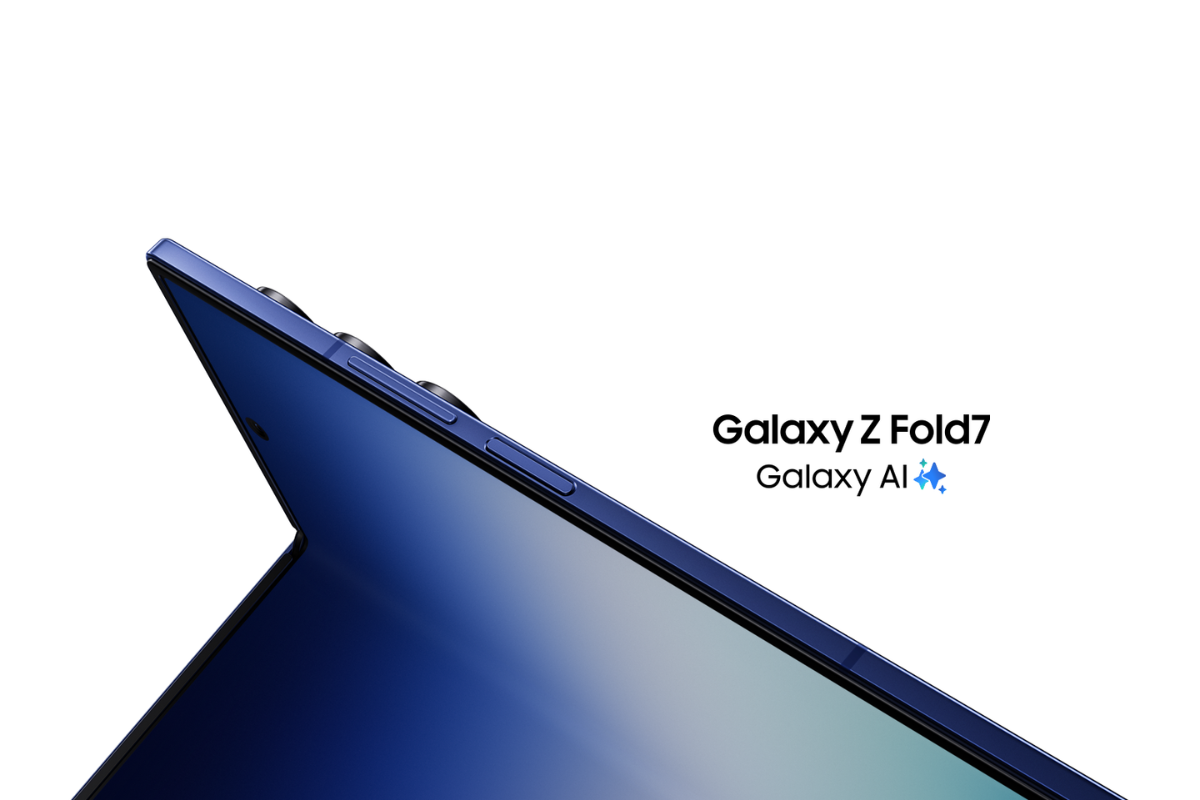
Samsung maintains its leadership in foldable smartphones through ecosystem integration, reliability, and long-term refinement. The Galaxy Z Fold7 reflects a mature approach where every element, from hardware to software, is designed to work cohesively within a broader digital environment.
Multitasking is a core strength. Advanced multi-window functionality, app continuity, and desktop-style productivity features enable users to perform complex tasks efficiently. This transforms foldable smartphones from communication devices into productivity platforms that support professional workflows.
The ecosystem advantage further amplifies this value. Seamless integration with Samsung tablets, wearables, and PCs enables continuity across devices, allowing users to move between tasks without friction. This creates a unified experience that extends beyond a single device.
Reliability reinforces Samsung’s position. Years of iteration have resulted in stable software, consistent performance, and strong after-sales support in key markets. In regions where service and longevity matter, this becomes a decisive factor.
Ecosystem strength is not just a feature. It is a long-term strategy that builds trust, retention, and sustained user commitment.
D. Disruption and Value: Motorola’s Market Shift
Motorola is reshaping the foldable smartphone market by focusing on value, practicality, and real-world usability. Rather than pursuing dominance in a single area, Motorola is delivering a balanced experience that meets users’ everyday needs.
Motorola Foldables, including the Razr Fold in 2026, attest to this.
Battery performance stands out immediately. Larger capacities combined with fast charging directly address one of the most common concerns about foldable smartphones. Users can rely on these devices throughout the day without constant compromise.
Motorola’s approach to specifications is equally strategic. By offering strong performance, capable camera systems, and refined design at more competitive pricing, the brand is positioning foldables as attainable rather than aspirational. This shift is essential for broader market adoption.
The impact extends beyond individual devices. Foldable smartphones in 2026 are moving closer to the mainstream as they become more practical, reliable, and accessible.
Motorola’s role in this transition is clear. It is redefining value in the foldable category, where success is no longer measured only by innovation, but by how effectively a device performs, endures, and justifies its cost in everyday use.
Understanding the Foldable Smartphone Landscape in 2026
A single leader does not define the foldable smartphone market in 2026. Distinct strategies shape it, each addressing a different priority. Understanding these positions is essential to making a confident, informed decision.
| Brand | Strength | Weakness | Market Position |
| Samsung | Ecosystem integration, reliability, productivity | Slower pace of hardware innovation | The safe, long-term investment |
| AI-driven software, intelligent multitasking | Hardware consistency, limited availability | The smartest foldable experience | |
| Oppo | Hardware innovation, design, and camera systems | Availability, ecosystem depth | The innovation leader |
| Motorola | Battery life, balanced specs, competitive pricing | Ecosystem maturity, brand perception in the premium segment | The value-driven disruptor |
Each brand is solving a different problem. Samsung focuses on stability and ecosystem strength. Google prioritizes intelligence and software. Oppo pushes hardware boundaries. Motorola brings accessibility and practical value.
This breakdown reveals a critical insight. There is no single leader in foldable smartphones in 2026. Each brand defines value differently, and the right choice depends on what matters most to you.
Who Should Buy a Foldable Smartphone in 2026?
Foldable smartphones in 2026 are not designed for everyone, and that is exactly what makes them powerful. Their value is not universal. It is defined by how well they align with specific user needs, workflows, and priorities. Understanding where you fit as a buyer is the most important step in deciding whether a foldable smartphone makes sense for you.
For the power user, productivity is the priority. This is someone who regularly multitasks, manages multiple applications, and values efficiency throughout the day. A foldable smartphone becomes more than a device. It becomes a portable workstation, enabling seamless multitasking, document handling, and content management in ways traditional smartphones cannot match.
The tech enthusiast is driven by innovation and design. This user is drawn to the latest advancements in hardware, display technology, and camera systems. For them, foldable smartphones represent the cutting edge of mobile engineering, where every detail, from hinge precision to display quality, matters.
The intelligent user focuses on software, artificial intelligence, and adaptability. This is someone who values how a device responds to their behavior, optimizes tasks, and enhances productivity through smart features. For this user, foldable smartphones are not just larger screens. They are intelligent tools that evolve with usage.
For the practical buyer, value is the defining factor. Battery life, durability, pricing, and long-term usability take precedence over novelty. This user is less interested in experimentation and more focused on reliability and everyday performance.
This distinction is critical.
There is no single best foldable smartphone in 2026. There is only one that best fits how you live, how you work, and what you expect from your device.
What Foldable Smartphones Mean for Kenya and Africa
Foldable smartphones in 2026 cannot be judged solely by global rankings. In Kenya and across Africa, buying a foldable smartphone is not just about innovation or brand prestige. It is a practical decision shaped by price, availability, support, and long-term value. This is where local context becomes essential.
Pricing is the first reality most buyers face. The best foldable phones in 2026 sit well above KSh 200,000, placing them firmly in the ultra-premium category. For many users, this is a significant financial commitment. It demands confidence not only in performance, but in durability and longevity. A foldable smartphone must prove that it can deliver consistent value over time.
Availability introduces another layer of complexity. Samsung foldable smartphones remain the most accessible in Kenya, thanks to a strong retail presence and distribution networks. Motorola is gaining ground with competitive positioning, while Oppo’s availability can vary. Google Pixel foldables, despite their strength in software and AI, remain limited and harder to access.
The repair ecosystem is equally critical. Access to genuine parts, certified technicians, and reliable after-sales support can determine the real cost of ownership. Samsung currently leads in this area, offering greater peace of mind for buyers.
Resale value also matters. Devices with strong brand trust and support systems tend to retain value better, reducing long-term ownership risk.
The insight is clear.
The best foldable smartphone in 2026 has not been defined globally. It is defined by what works reliably within your market.
Are Foldable Smartphones Worth It in 2026?
Foldable smartphones in 2026 are finally good enough to recommend, but not to everyone. That distinction matters.
They are worth it for users who will actually use what they offer. If you multitask heavily, work across multiple apps, or consume a lot of content, a foldable smartphone delivers a clear advantage. The larger display is not just about size. It changes how you interact with your device, making workflows faster, multitasking more natural, and content more immersive. For professionals, creators, and power users, foldable smartphones can eliminate the need to switch between a phone and a larger device constantly.
They also make sense for buyers who value innovation and are comfortable investing in premium technology. In this context, foldables are not just upgrades. They represent a different class of smartphone experience.
However, foldable smartphones are not the right choice for everyone. If your usage is basic, focused on calls, messaging, and light applications, the additional cost will not translate into meaningful value. If durability is your top priority or your budget is limited, traditional smartphones remain the more practical and reliable option.
The conclusion is simple and honest.
Foldable smartphones in 2026 are worth it when their strengths match your needs. If they do not, you are better off not buying one.
Editor’s Verdict: Which Foldable Smartphone Should You Buy in 2026?
There is no single best foldable smartphone in 2026. There is only one that best aligns with how you use your device and what you expect from it over time.
For users who want balance, reliability, and long-term value, the Samsung Galaxy Z Fold7 remains the best overall choice. It delivers a refined experience, strong multitasking, and deep ecosystem integration. More importantly, it offers consistent software support, availability, and after-sales service, making it the safest premium investment, especially in markets like Kenya.
For those who prioritize intelligence and software, the Pixel Fold 10 offers the smartest experience. Its strength lies in AI-driven features, clean Android optimization, and a user interface that adapts to how you work. It is less about raw hardware and more about delivering a smarter, more responsive device.
For buyers driven by innovation, the Oppo Find N6 stands out as the most advanced foldable. Its progress in reducing creases, improving build quality, and delivering flagship-level camera performance reflects how far hardware has come in this category.
For value-focused users, the Motorola Razr Fold makes the strongest practical case. With a larger battery, fast charging, balanced performance, and more competitive pricing, it offers a foldable experience that is easier to justify in real-world use.
The defining insight is clear. The value of foldable smartphones is not determined solely by price. It is defined by how well the device fits your usage and how reliably it performs over time.
Choose the foldable that earns its place in your everyday life.
The Future of Foldable Smartphones
Foldable smartphones in 2026 are not the end of the journey. They are the starting point of a much larger shift in how mobile devices are designed and used.
The convergence of artificial intelligence and hardware will define the next phase. As AI becomes more deeply embedded, foldable smartphones will move from responsive tools to proactive systems. They will anticipate user needs, reorganize workflows, and adapt interfaces in real time. Combined with larger, flexible displays, this will transform how people work, create, and consume content on a single device.
This naturally leads to a bigger question. Will foldable smartphones replace traditional slab phones?
Not immediately, but the direction is becoming clearer. As durability improves, prices gradually become more accessible, and software continues to mature, foldables are positioning themselves as the future of premium smartphones. They offer a level of versatility that standard devices cannot match.
The market’s trajectory supports this shift. Users are demanding devices that can handle more tasks without increasing complexity.
Foldable smartphones are no longer an alternative category. They are steadily becoming the blueprint for what smartphones are expected to be.
Where Foldable Smartphones Go From Here
Foldable smartphones in 2026 have moved beyond experimentation and into the realm of definition. They are no longer trying to prove their place. They are shaping what the smartphone is becoming.
Across the category, the shift is unmistakable. Hardware is more refined and reliable. Software is becoming more intelligent and adaptive. Ecosystems are expanding beyond single devices. Value is no longer about ownership alone, but about long-term usability and relevance.
This is what makes the moment significant.
The question is no longer whether foldables will go mainstream. It is who will define what that mainstream looks like, and how users will experience it in everyday life.
For the user, the decision is no longer about choosing the best device. It is about choosing the device that fits how you live, how you work, and how you expect technology to serve you.
That is the shift. And it is already happening.
Stay Ahead of the Shift
Follow JuaTech Africa for deeper insights, real-world analysis, and expert guidance on the technologies shaping the future of smartphones across Kenya and beyond.
Read our insightful publication on foldables to shape your choice and insights.