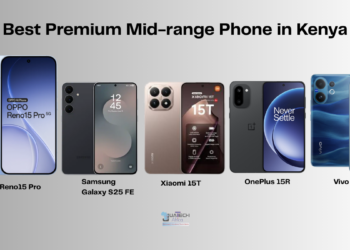


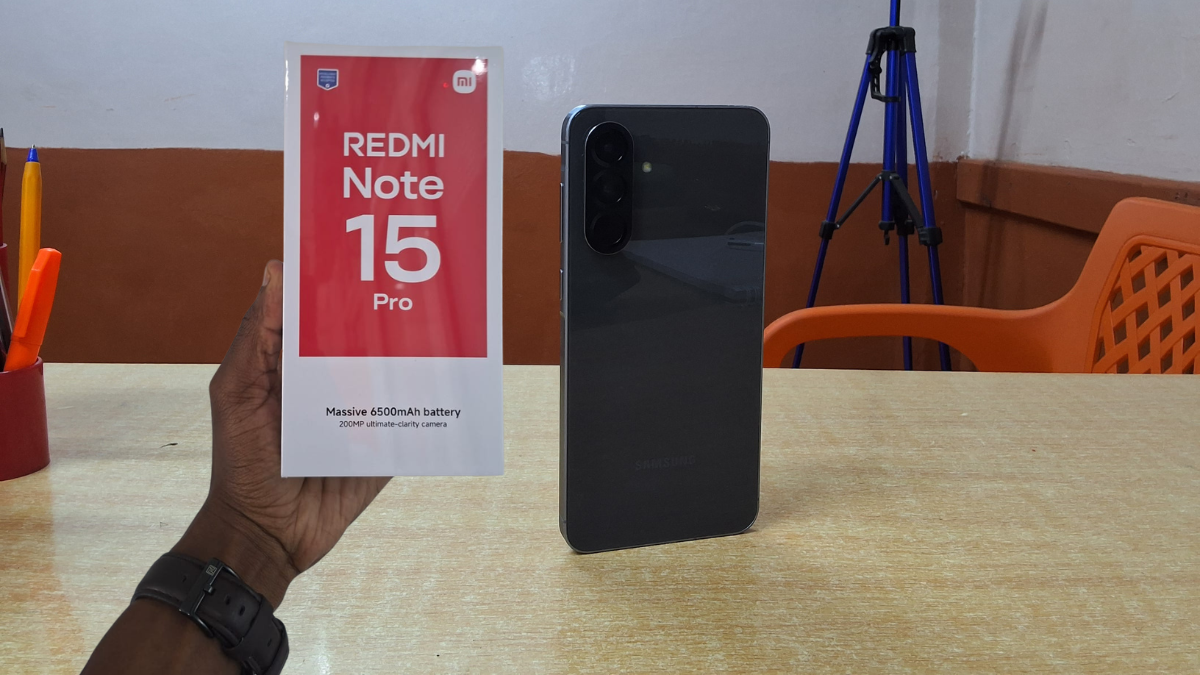
Kenya’s premium midrange smartphone segment has matured significantly. Buyers no longer accept compromises in performance, display quality, camera capability, or battery life. Instead, they expect smartphones in the KSh 45,000 to KSh 65,000 range to deliver reliable long-term ownership and strong daily performance.
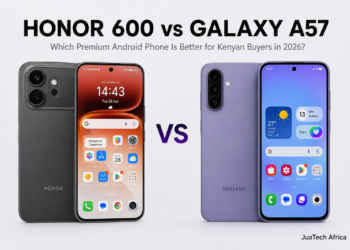
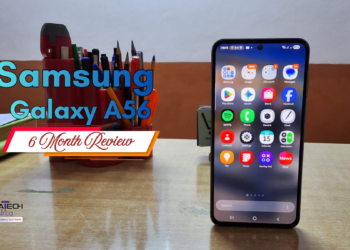
The Redmi Note 15 Pro 5G and Samsung Galaxy A56 compete directly in this critical segment. Both devices promise premium features without flagship pricing. However, they reflect fundamentally different priorities.

Xiaomi focuses on maximizing hardware capability, including camera resolution, battery size, and charging speed. Samsung, by contrast, emphasizes software longevity, system stability, and reliability of ownership.
Therefore, the correct buying decision depends on which strengths matter most to you.
Specifications Comparison
| Feature | Redmi Note 15 Pro 5G | Samsung Galaxy A56 |
| Display | 6.83-inch AMOLED, 120Hz | 6.7-inch Super AMOLED, 120Hz |
| Processor | Mediatek Dimensity 7400 Ultra (4 nm) | Samsung Exynos 1580 |
| RAM | 8GB, 12GB | 8GB, 12GB |
| Storage | 128GB, 256GB, 512GB | 128GB, 256GB |
| Main Camera | 200MP, OIS | 50MP, OIS |
| Ultrawide Camera | 8MP | 12MP |
| Front Camera | 20MP | 12MP |
| Battery | 6580mAh | 5000mAh |
| Charging | 45W fast charging | 45W fast charging |
| Software | Android 15, up to 4 major Android upgrades, HyperOS 2 | Android 15, up to 6 major Android upgrades, One UI 7 |
| Protection | Gorilla Glass Victus 2 | Gorilla Glass Victus+ |
| Water Resistance | P68/IP69K dust tight and water-resistant (high pressure water jets; immersible up to 1.5m for 30 min) | IP67 dust/water resistant (up to 1m for 30 min) |
| Price in Kenya | KSh 43,000 – 55,000 | KSh 42,000 – 65,000 |
This table immediately reveals Xiaomi’s hardware advantage and Samsung’s focus on software and ecosystems.
Design and Build Quality

Samsung delivers superior refinement in overall design execution. The Galaxy A56 uses Gorilla Glass Victus+ on both the front and back, paired with a metal frame. This combination enhances structural integrity while maintaining a slim, balanced profile. As a result, the Galaxy A56 feels lighter, more refined, and more comfortable during extended daily use. At 198 grams, its lower weight contributes meaningfully to long-term handling comfort, particularly for users who rely heavily on their devices throughout the day.
Meanwhile, Xiaomi prioritizes durability and environmental protection. The Redmi Note 15 Pro 5G uses the newer Gorilla Glass Victus 2, which offers improved drop resistance, and includes IP68/IP69K water- and dust-resistance certification. This higher protection rating enhances resilience against water exposure, dust ingress, and harsher usage conditions, improving long-term structural durability.
However, this durability comes with a trade-off. The Redmi Note 15 Pro 5G’s larger battery adds 10 grams, bringing its weight to 210 grams. While the difference may appear modest on paper, it becomes noticeable during prolonged one-handed use and extended daily handling.
Therefore, Samsung delivers superior ergonomics and handling comfort, while Xiaomi delivers stronger environmental durability and structural protection.
Winner: Samsung Galaxy A56
Its lighter weight, balanced construction, and refined ergonomics make it more comfortable and practical for long-term daily use, while still maintaining excellent structural durability.
Display Comparison
Both the Redmi Note 15 Pro 5G and Samsung Galaxy A56 deliver excellent display quality, reflecting the maturity of the premium midrange segment. However, Samsung maintains a measurable advantage in display calibration, consistency, and overall visual balance.
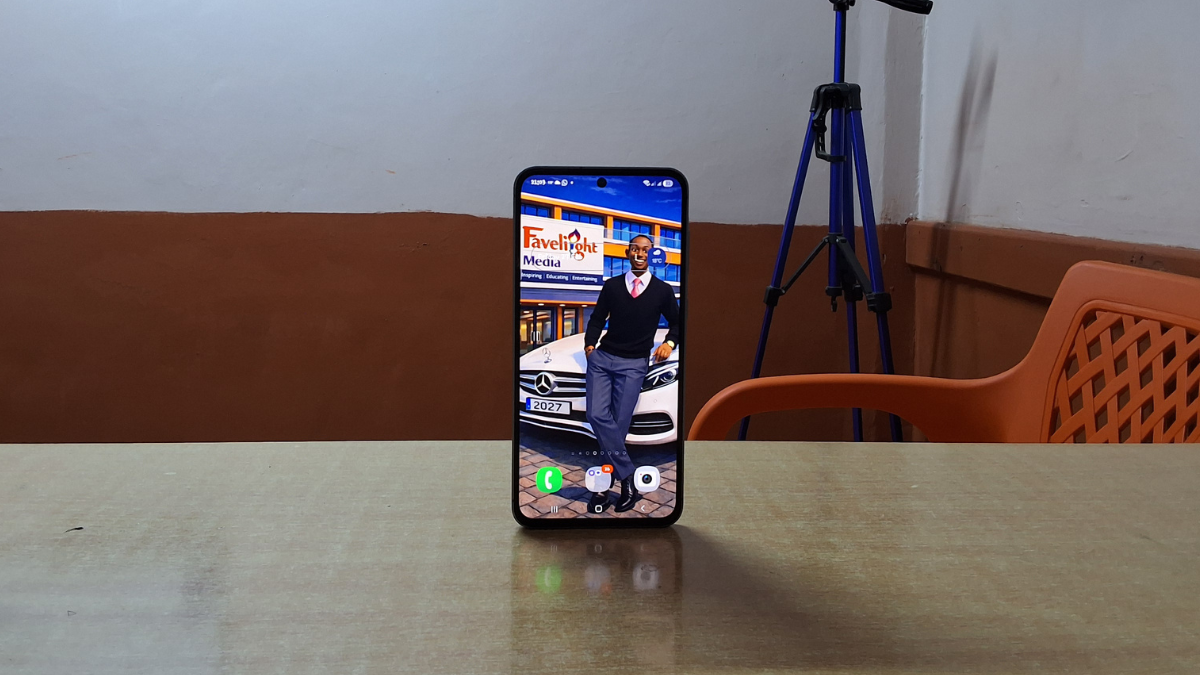
The Galaxy A56 features a 6.7-inch Super AMOLED display with a 120Hz refresh rate. Samsung’s AMOLED panels are widely recognized for their precise color calibration, deep contrast, and strong brightness. As a result, the Galaxy A56 delivers accurate color reproduction, making it particularly reliable for media consumption, photography, and outdoor use. Colors appear natural rather than exaggerated, enhancing long-term visual realism.
Meanwhile, the Redmi Note 15 Pro 5G features a slightly larger 6.83-inch AMOLED display, also with a 120Hz refresh rate. The larger panel enhances immersion, especially when watching videos, gaming, or multitasking. Xiaomi’s display tuning emphasizes vibrancy and visual impact, delivering rich colors, high brightness, and smooth scrolling. This makes the display immediately appealing and engaging.
However, Samsung’s advantage lies in calibration precision and consistency. Its display produces more balanced color tones, more accurate whites, and better tonal stability across a range of brightness levels. This improves reliability when viewing photos, videos, and everyday interface elements.
Therefore, while Xiaomi delivers a larger and highly immersive display, Samsung delivers superior calibration accuracy and overall visual consistency.
Winner: Samsung Galaxy A56
Its superior color accuracy, calibration precision, and long-term viewing consistency make it a more reliable display for daily use, media consumption, and content viewing.
Performance Comparison
Performance is one of the most critical determinants of long-term usability. It affects everything from app launch speed and multitasking fluidity to gaming stability and overall system responsiveness over time. Both the Redmi Note 15 Pro 5G and Samsung Galaxy A56 use modern midrange processors designed to deliver reliable daily performance. However, their architectural priorities differ.
The Redmi Note 15 Pro 5G is powered by MediaTek’s Dimensity 7300 Ultra processor, built on TSMC’s efficient 4nm manufacturing process. The chipset uses an octa-core CPU configuration, including four high-performance Cortex-A78 cores clocked up to approximately 2.5 GHz and four efficiency-focused Cortex-A55 cores. This architecture prioritizes sustained performance while maintaining strong power efficiency. In real-world use, this allows the device to handle multitasking, social media, camera processing, and demanding applications without noticeable slowdowns.
Benchmark performance reflects this positioning. Based on aggregated results from GSMArena-tested devices powered by the Dimensity 7300 series, AnTuTu v10 scores typically range from 650,000 to 750,000 points. This places the Redmi Note 15 Pro 5G firmly in the upper tier of midrange performance, capable of running modern games such as Call of Duty Mobile and PUBG Mobile at high graphics settings with stable frame rates.
Meanwhile, the Samsung Galaxy A56 uses Samsung’s Exynos 1580 processor, also built on a modern fabrication process and designed for balanced performance and long-term stability. The Exynos 1580 features a newer CPU architecture with upgraded Cortex performance cores and an improved GPU. Samsung pairs this hardware with One UI optimization, which prioritizes system stability, thermal management, and consistent responsiveness rather than aggressive peak performance.
Benchmark data from early Exynos 1580 test devices show AnTuTu v10 scores typically ranging from 700,000 to 800,000 points, giving it a slight theoretical advantage in raw processing power. However, Samsung’s performance tuning prioritizes thermal stability and sustained responsiveness over short bursts of peak output. This ensures the Galaxy A56 maintains smooth performance even during prolonged multitasking or extended daily usage.
In real-world use, both devices perform exceptionally well for typical users. Everyday tasks such as messaging, browsing, multitasking, and media consumption remain smooth and responsive on both devices. However, Xiaomi’s performance tuning enables the Redmi Note 15 Pro 5G to deliver slightly faster peak responsiveness during gaming, app loading, and heavy multitasking.
Samsung, on the other hand, delivers more conservative, thermally stable performance, improving long-term consistency and reducing performance throttling over extended use.
Therefore, Xiaomi delivers slightly stronger peak performance responsiveness, while Samsung delivers slightly stronger sustained performance stability.
Winner: Redmi Note 15 Pro 5G
Its Dimensity 7300 Ultra processor delivers faster peak responsiveness, stronger gaming performance, and excellent overall performance efficiency, making it the stronger choice for users who prioritize performance-intensive workloads and gaming.
—
If you’re trying to decide between these two based on your actual usage, it helps to look beyond specs and focus on what fits your needs long-term.
—
Camera Comparison: Hardware Capability vs Imaging Intelligence
Camera performance remains one of the most decisive factors for smartphone buyers in Kenya. For many users, the smartphone is their primary and often only camera. Therefore, evaluation must go beyond megapixel count and examine sensor capability, image processing, consistency, and system versatility.
The Redmi Note 15 Pro 5G and Samsung Galaxy A56 approach imaging from fundamentally different philosophies. Xiaomi prioritizes maximum sensor capability. Samsung prioritizes consistency in image processing and system balance.
Understanding the distinction requires evaluating five critical metrics of camera performance.
1. Sensor Resolution and Detail Capture
The Redmi Note 15 Pro 5G features a 200MP primary camera sensor with optical image stabilization. This large, high-resolution sensor captures significantly more raw image data. In daylight conditions, this translates into greater retained detail, especially in complex scenes such as landscapes, architecture, and foliage.
More importantly, the higher resolution provides practical flexibility. Users can crop into images while retaining clarity, effectively enabling lossless digital zoom. This improves compositional flexibility without requiring a dedicated telephoto lens.
In comparison, the Galaxy A56 uses a 50MP primary camera sensor with optical image stabilization. While the resolution is lower, 50MP remains more than sufficient for most smartphone photography use cases. However, when cropping aggressively or capturing distant subjects, the Samsung sensor retains less fine detail compared to Xiaomi’s 200MP sensor.
Metric winner: Redmi Note 15 Pro 5G
Its higher-resolution sensor provides superior detail retention and greater cropping flexibility.
2. Sensor Size and Light Capture Capability
Resolution alone does not determine image quality. Sensor size plays a critical role in capturing light.
The Redmi Note 15 Pro 5G uses a physically larger sensor, which captures more light per exposure. This improves dynamic range and shadow detail, particularly in challenging lighting conditions, such as indoor environments or high-contrast scenes.
The Galaxy A56 uses a smaller sensor. However, Samsung compensates through computational photography. Its image processing pipeline enhances exposure balance, preserves highlights, and effectively reduces noise.
As a result, Xiaomi provides greater hardware light capture capability, while Samsung provides more consistent exposure balance.
Metric winner: Redmi Note 15 Pro 5G
Its larger sensor provides superior light capture.
3. Image Processing and Color Science Consistency
Image processing determines how captured data is translated into final images. This includes color accuracy, exposure balance, sharpening, and noise reduction.
Samsung has historically maintained one of the most mature image processing pipelines in the smartphone industry. The Galaxy A56 consistently delivers balanced colors, accurate skin tones, and consistent results across different lighting conditions.
Samsung’s processing avoids excessive sharpening and maintains natural color balance. This improves reliability, particularly for users who rely on point-and-shoot photography.
In contrast, Xiaomi’s image processing prioritizes visual impact. Images often appear sharper and more vibrant. While this improves perceived detail, it can occasionally introduce aggressive sharpening or color exaggeration.
Metric winner: Samsung Galaxy A56
It delivers more consistent, natural, and reliable image processing.
4. System Versatility and Secondary Camera Performance
Camera performance extends beyond the primary sensor. Secondary cameras improve versatility.
The Galaxy A56 includes a stronger ultra-wide camera system. This improves landscape photography and group shots. Samsung also maintains stronger camera consistency across different lenses.
Meanwhile, the Redmi Note 15 Pro 5G prioritizes its primary camera sensor. While its main sensor outperforms Samsung in resolution, its secondary cameras provide less overall system balance.
Metric winner: Samsung Galaxy A56
It delivers a more balanced and versatile camera system.
5. Video Recording and Front Camera Reliability
Video capabilities and front-camera performance are critical for content creators and everyday users.
Samsung maintains a clear advantage in video reliability. The Galaxy A56 provides stronger video stabilization, better exposure control, and more consistent front camera performance. This improves usability for video recording and social media content creation.
Xiaomi delivers strong video performance. However, Samsung’s video stabilization and exposure consistency remain more reliable.
Metric winner: Samsung Galaxy A56
It delivers superior video stability and reliable front-camera performance.
Meritocratic Camera Scorecard Based on five critical imaging metrics:
| Item No. | Camera Metric | Winner |
| 1 | Details and Resolution | Redmi Note 15 Pro 5G |
| 2 | Sensor light capture capability | Redmi Note 15 Pro 5G |
| 3 | Image processing consistency | Samsung Galaxy A56 |
| 4 | System versatility | Samsung Galaxy A56 |
| 5 | Video and front camera reliability | Samsung Galaxy A56 |
Samsung wins 3 out of 5 critical performance metrics. Xiaomi wins 2.
Camera Verdict: Hardware Capability vs Imaging Consistency
The Redmi Note 15 Pro 5G delivers superior camera hardware capability. Its 200MP sensor captures more detail, improves cropping flexibility, and provides stronger raw imaging potential.
However, the Samsung Galaxy A56 delivers superior overall camera system performance. Its image processing consistency, ultrawide camera strength, and video reliability make it a more dependable camera system for daily use.
Camera Recommendation
Choose the Redmi Note 15 Pro 5G if you prioritize maximum image detail, flexible cropping, and hardware performance.
Choose the Samsung Galaxy A56 if you prioritize consistent image quality, reliable video recording, and balanced overall camera system performance.
For most users, the Galaxy A56 delivers a more reliable and balanced camera experience. However, the Redmi Note 15 Pro 5G offers superior hardware capability and higher imaging ceiling for users who prioritize maximum detail and resolution.
Battery and Charging Comparison
Battery life remains one of the most decisive factors in long-term smartphone satisfaction. For many users in Kenya, a smartphone must comfortably last through a full day of heavy usage and ideally extend into a second day under moderate use. This reduces dependence on frequent charging and improves reliability, especially for professionals, travelers, and power users.
The Redmi Note 15 Pro 5G holds a clear hardware advantage in this area. It includes a massive 6580 mAh battery, which significantly exceeds the typical midrange battery capacity. This larger battery allows the device to comfortably last a full day of heavy usage, including video streaming, social media, camera usage, and multitasking. Under moderate use, such as messaging, browsing, and occasional media consumption, the device can realistically extend into a second day without requiring a recharge.
This extended endurance provides meaningful real-world convenience. Users can confidently leave home without worrying about battery anxiety, particularly during long workdays or travel.
In contrast, the Samsung Galaxy A56 includes a 5000mAh battery, which remains the industry standard for midrange smartphones. Samsung’s strong software optimization and efficient processor ensure reliable all-day performance under typical usage conditions. Most users can comfortably reach the end of a full day with battery remaining. However, extending to a second day generally requires lighter usage patterns than on the Redmi Note 15 Pro 5G.
Both devices support 45W fast charging, which provides reasonably fast recharge times. However, the Redmi Note 15 Pro 5G benefits from its larger battery, which improves efficiency and charging management, enabling users to regain substantial battery capacity when needed quickly.
Additionally, Xiaomi offers an important convenience feature that Samsung does not: reverse wired charging. This allows the Redmi Note 15 Pro 5G to power other devices, such as wireless earbuds, smartwatches, or even another smartphone. This capability becomes particularly useful in travel situations or emergency scenarios, adding practical versatility beyond basic battery endurance.
From a real-world ownership perspective, the difference becomes clear over time. The Redmi Note 15 Pro 5G offers greater endurance headroom, resulting in fewer charging cycles, reduced long-term battery wear, and greater daily flexibility.
The Galaxy A56 offers reliable all-day endurance, while the Redmi Note 15 Pro 5G provides superior multi-day flexibility, greater long-term endurance, and added functional convenience.
Winner: Redmi Note 15 Pro 5G
Its larger battery capacity, reliable fast charging, and reverse charging make it a more dependable, versatile device for users who prioritize battery endurance, convenience, and long-term reliability.
Software and Long-Term Support
Software support plays a critical role in determining how well a smartphone ages over time. While hardware defines initial performance, software updates determine long-term security, feature relevance, app compatibility, and overall ownership value. For buyers planning to use their device for 3 to 6 years, the update policy is one of the most important factors in their decision.
Samsung holds a clear and measurable advantage in this category. The Galaxy A56 ships with Android 15 and Samsung’s One UI 7, and Samsung has committed to providing up to six years of Android version upgrades and security updates. This extended support window helps keep the device secure, compatible with future applications, and functionally relevant for much longer.
In practical terms, this means a user who purchases the Galaxy A56 in 2026 can expect official software support through approximately 2031. This dramatically improves long-term reliability, reduces security risks, and preserves device usability over time. It also strengthens resale value, as devices with longer update support retain greater market relevance in the second-hand market.
Samsung’s One UI also remains one of the most mature Android software environments available. It delivers consistent performance optimization, strong memory management, and reliable ecosystem integration across Samsung devices, including Galaxy Buds, Galaxy Watch, and Galaxy tablets. Features such as Samsung Knox security, system-level privacy controls, and long-term stability further reinforce its ownership advantage.
Meanwhile, the Redmi Note 15 Pro 5G runs Android 15 with Xiaomi’s HyperOS. HyperOS represents a significant evolution in Xiaomi’s software platform, offering improved performance, smoother animations, and greater customization flexibility. The interface feels modern, responsive, and efficient in daily use.
However, Xiaomi has committed to approximately four Android version upgrades and five years of security updates for this device. While this remains respectable and sufficient for most users, it falls short of Samsung’s six-year support commitment. Over extended ownership periods, this shorter support window reduces long-term software longevity and resale value.
This difference becomes particularly important for buyers who intend to keep their smartphone for several years. Longer software support ensures better app compatibility, stronger security protection, and sustained device performance over time.
Therefore, while both devices deliver smooth and modern software experiences today, Samsung provides a significantly stronger long-term ownership advantage.
Winner: Samsung Galaxy A56
With six years of software support, a mature One UI platform, and stronger long-term security and ecosystem integration, it’s the more reliable choice for extended ownership and future-proof usability.
Price and Value in Kenya
Pricing remains critical.
The Redmi Note 15 Pro 5G costs between KSh 43,000 and KSh 55,000. Meanwhile, the Galaxy A56 costs between KSh 42,000 and KES 65,000.
Therefore, Xiaomi delivers stronger hardware at a lower price.
Winner: Redmi Note 15 Pro 5G
It delivers stronger value for money.
Editorial Verdict: Hardware Strength vs Ownership Longevity
The Redmi Note 15 Pro 5G delivers stronger value on the hardware side. With a larger battery, faster charging, higher-resolution camera, and a lower price point, it is the more compelling choice for performance-focused buyers who want maximum capability for their money.
The Samsung Galaxy A56, however, stands out in long-term ownership. Its extended software support improves device longevity, stability, and overall user experience over time. Samsung devices also tend to retain better resale value, supported by stronger brand perception and longer update cycles.
Verdict: Which One Should You Buy?
This decision ultimately comes down to what you value more – immediate performance or long-term reliability.
- Choose the Redmi Note 15 Pro 5G if your priority is getting the best hardware and features at a lower cost today.
- Go for the Samsung Galaxy A56 if you want a more stable, longer-lasting device with better long-term support and resale value.
Our Final Thought
At this level, it’s no longer just about specs – it’s about ownership experience over time.
The right choice is the one that aligns with how you actually use your device, not just what looks better on paper.
JuaTech Africa Final Recommendation
The Redmi Note 15 Pro 5G offers the strongest hardware package in this segment, delivering better battery life, more capable camera performance, and overall higher value for money—making it the ideal choice for performance-focused buyers.
The Samsung Galaxy A56, on the other hand, stands out as the better long-term investment. Its extended software support, system stability, and stronger resale value make it more suitable for users who prioritize reliability over time.
This comparison reflects a broader industry direction: Xiaomi continues to lead with aggressive hardware innovation, while Samsung focuses on delivering a more stable and enduring ownership experience.
In simple terms:
- Choose Redmi Note 15 Pro 5G for maximum performance and value today
- Choose Samsung Galaxy A56 for long-term stability and support
Both devices are strong options—but they serve different priorities. The right choice depends on whether you value immediate capability or long-term reliability.
—
Still Deciding?
If you’re still unsure which device truly fits your needs and budget, making the right decision now can save you money, frustration, and the need to upgrade sooner than expected.
I work with individuals and businesses to simplify these decisions—breaking down what actually matters based on real-world usage, priorities, and long-term value.
You can reach me directly here: https://wa.me/254714710460