

Zoom photography has become one of the most important features in modern smartphones. This guide explores the best zoom camera phones available in Kenya, helping professionals, creators, and enthusiasts capture distant subjects with exceptional clarity.
Smartphone photography has evolved dramatically, and zoom capability is now a defining feature of flagship camera performance. Whether capturing wildlife, live events, architecture, or distant subjects, modern smartphones with periscope zoom lenses deliver professional-level results without the need for dedicated cameras.

In Kenya, where professionals, creators, and enthusiasts rely on mobile photography for work and storytelling, choosing the right zoom camera phone is essential. Devices from Samsung, Xiaomi, Huawei, and other leading brands now offer powerful optical zoom, advanced image processing, and reliable performance.
This guide highlights the best smartphones for zoom photography available in Kenya, helping you choose the right device based on camera performance, real-world usability, and overall value.
Periscope Lens Technologies Explained
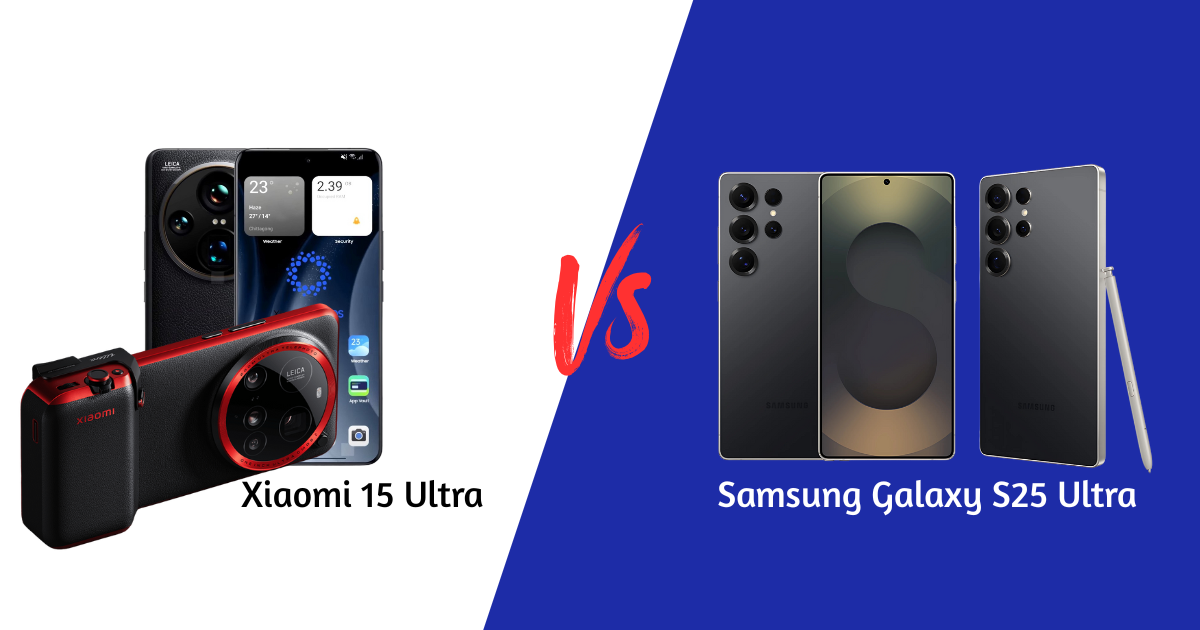
Periscope lenses are the secret behind modern long-range zoom, and in 2025/26, Xiaomi and Samsung take two very different paths to achieve it. Both phones use folded optics to extend focal length inside the body, but how they use this technology shapes real-world results.
The Xiaomi 15 Ultra prioritizes light, detail, and versatility. Its larger 200MP sensor and wider aperture allow the periscope system to capture brighter, clearer images even when you zoom far beyond 10x. This design answers a key user question: Why do Xiaomi’s long-distance shots look cleaner at night? Simple -more light and more data.
The Samsung Galaxy S25 Ultra, meanwhile, focuses on precision at its native 5x optical zoom. Its periscope system is tuned for sharp daytime performance, delivering punchy, consistent results without heavy processing.
If you want extreme-range clarity, Xiaomi leads. If you shoot mostly at 5x, Samsung stays dependable.
Side-by-Side Comparison: Zoom Lens Specifications
| Feature | Xiaomi 15 Ultra | Samsung Galaxy S25 Ultra |
| Sensor Size & Type | 200MP Samsung HP9 (1/1.4″) | 50MP (1/2.52″) |
| Optical Zoom Range | 4.3x (100mm equivalent) | 5x (111mm equivalent) |
| Hybrid Zoom Capacity | Up to 120x (AI-enhanced) | Up to 100x (AI-enhanced) |
| Aperture | f/2.6 | f/3.4 |
| Pixel Size | 0.56µm | 0.7µm |
| Stabilization | OIS + Multi-Directional PDAF | OIS + PDAF |
| Video Recording | 8K@30fps, 4K@120fps across all lenses | 8K@30fps, 4K@60fps (limited to select lenses) |
| Low-Light Capability | Superior light intake and detail at high zoom | Moderate clarity in low-light long-range shots |
Zoom Lens Performance Explained
Choosing between the Xiaomi 15 Ultra and Samsung Galaxy S25 Ultra often comes down to one question: Which phone gives me clearer, brighter, and more stable zoom shots in real-world situations?
You’ll find the answers in the specs – but only when they’re translated into what users actually experience. Here’s the breakdown.
1. Sensor Size & Resolution: How Much Detail Can Each Phone Capture?
Xiaomi 15 Ultra – 200MP (1/1.4″)
Xiaomi uses a significantly larger sensor and four times the resolution of Samsung. This matters because bigger sensors collect more light and produce cleaner images at long distances. With 200MP, Xiaomi can crop aggressively while still retaining detail – ideal for wildlife, stadium events, or cityscapes where subjects are far away.
Samsung S25 Ultra – 50MP (1/2.52″)
Samsung’s sensor is smaller and lower resolution, but performs well at its native 5x zoom. If most of your shots stay between 3x and 5x, Samsung delivers sharp, contrast-rich results without the need for heavy computational correction.
Takeaway:
-
For maximum detail and flexibility, Xiaomi wins.
-
For routine 5x shooting, Samsung holds strong.
2. Optical & Hybrid Zoom: Real-World Sharpness Across Distances
Xiaomi – 4.3x optical, up to 120x hybrid
Xiaomi’s optical zoom is slightly shorter, but its hybrid zoom from 10x to 30x is where it dominates. The combination of a large sensor and advanced AI processing preserves clarity at long ranges where most smartphones fail.
Simply put, Xiaomi’s zoom looks clearer when you zoom in really far. It keeps the image sharp, where most phones start to blur.
Samsung – 5x optical, up to 100x hybrid
Samsung’s strength lies in its sharp 5x lens – great for portraits, concert photos, and travel shots. Beyond 10x, however, detail falls off more quickly, and images become softer than on Xiaomi.
Simply put, Samsung is excellent for normal zoom photos, but at higher zoom levels, it doesn’t stay as clear as Xiaomi.
Takeaway:
-
Shoot 5x a lot? Samsung is excellent.
-
Need a clean 10x–30x zoom? Xiaomi is unmatched.
3. Aperture & Low-Light Zoom: Who Sees Better in the Dark?
Xiaomi – f/2.6
A wider aperture brings in more light. This is a big advantage for nighttime zoom photography. Whether you’re capturing a performer on stage or a distant skyline, Xiaomi keeps shots brighter and sharper with less grain.
Samsung – f/3.4
Samsung’s narrower aperture means darker images at long zoom, forcing the camera to raise ISO and introduce noise.
Takeaway:
If you often shoot indoors, at night, or in dim environments, Xiaomi produces noticeably cleaner results.
4. Stabilization & Autofocus: Keeping Distant Subjects Sharp
Xiaomi – OIS + Multi-Directional PDAF
This setup excels at locking onto moving subjects and keeping them stable at 10x, 20x, and even 30x zoom. It’s ideal for wildlife, kids, sports, and handheld shooting at extreme distances.
Samsung – OIS + PDAF
Solid and reliable for everyday use, but less stable at higher zoom levels and slightly slower to refocus when subjects move unpredictably.
Takeaway:
If you shoot fast action or far-away moving subjects, Xiaomi delivers more “keeper shots.”
5. Video Zoom: For Creators and Mobile Filmmakers
Xiaomi – 4K@120fps across all lenses
This is a huge advantage. It means smooth telephoto slow-motion, better stabilization, and consistent quality across focal lengths.
Samsung – 4K@60fps on select lenses
Good for casual video, but lacks the flexibility creators want.
Takeaway:
For telephoto video, events, documentaries, and creator workflows, Xiaomi is the more powerful tool.
Editorial Interpretation: What These Specs Mean for You
If your priority is long-range detail, low-light zoom, subject tracking, and pro-level telephoto performance, the Xiaomi 15 Ultra is clearly the more capable zoom camera in 2025.
If you prefer crisp, reliable 5x shots with Samsung’s familiar processing style, the S25 Ultra remains a strong alternative.
Both are excellent phones; they just serve different shooting styles.
The Verdict: Who Wins the Zoom Battle in 2025?
After evaluating sensor size, zoom quality, stabilization, low-light performance, and real-world clarity, one conclusion is clear: the Xiaomi 15 Ultra delivers the strongest overall zoom experience in 2025. Its 200MP periscope sensor, wider aperture, and advanced image processing give it a consistent advantage from 10x to 30x, especially in challenging lighting.
The Samsung Galaxy S25 Ultra remains an excellent choice for users who rely on crisp 5x optical zoom and prefer Samsung’s signature color profile. It’s reliable, sharp at mid-range distances, and a great all-round camera system. But when it comes to long-distance photography – where stability, detail retention, and low-light performance matter most – Xiaomi pulls ahead with noticeable confidence.
If your priority is serious zoom photography, Xiaomi is the clear winner. If you mainly shoot at 5x and want a balanced flagship, Samsung remains a strong contender.
Still, the question remains: if it is one smartphone to take home, which one is it?
Editor’s Choice: Winner Takes It All
Based on merit, real-world performance, and what truly matters to a serious content creator, the Xiaomi 15 Ultra is the clear winner. Its larger 200MP periscope sensor, wider aperture, superior long-range stabilization, and more capable telephoto video system deliver consistently sharper, brighter results from 10x up to 30x – where creators actually need reliability. Samsung’s S25 Ultra is excellent at 5x, but it cannot match Xiaomi’s detail retention, night zoom performance, or versatility in demanding shooting conditions. Some may disagree, but if your craft depends on dependable long-distance clarity, the Xiaomi 15 Ultra is our pick. It was specifically designed as a smartphone camera for such differentiating moments.