

When OnePlus partnered with Hasselblad in 2021, many assumed the legendary camera maker was simply lending its name to smartphone marketing. Over the next five years, however, the collaboration introduced millions of smartphone users to concepts such as color science, image rendering, and photographic philosophy. While the partnership concluded with the OnePlus 13 in 2025, its influence continues to shape how we think about smartphone photography today. Understanding what Hasselblad brought to OnePlus helps explain why modern smartphone cameras are increasingly defined by more than hardware alone.
More Than A Logo
When OnePlus announced its partnership with Hasselblad in 2021, the reaction was predictable. Smartphone manufacturers had spent years collaborating with established camera brands, and many consumers viewed these partnerships with skepticism. To some, the Hasselblad name on a OnePlus smartphone looked like another marketing exercise designed to add prestige to a product launch. The orange shutter button appeared distinctive, the branding looked impressive, and the partnership generated headlines. Yet many smartphone buyers were left asking the same question: what does Hasselblad actually bring to a smartphone camera?

The skepticism was understandable. Unlike image sensors, lenses, or processors, photographic philosophy is difficult to see on a specification sheet. A smartphone launch can highlight megapixels, sensor sizes, zoom ranges, and video capabilities because those features are measurable. Concepts such as color science, image rendering, and photographic character are far more difficult to communicate. As a result, many consumers naturally assumed that a partnership with a legendary camera company was primarily about branding rather than meaningful influence.
Over the next five years, however, the OnePlus-Hasselblad collaboration became something more significant. From the OnePlus 9 Series through the OnePlus 13 Series, the partnership introduced millions of smartphone users to ideas that had traditionally belonged to professional photography. Conversations about color science, image rendering, photographic character, and visual philosophy increasingly entered discussions about smartphone cameras. Even after the partnership concluded in 2025, its influence continued to shape how people think about mobile imaging.
That influence reflects a broader shift within smartphone photography itself. The industry’s biggest camera battles are no longer fought solely through hardware specifications. Sensors, optics, Image Signal Processors, and artificial intelligence remain essential, but they no longer tell the entire story. Increasingly, smartphone manufacturers compete on how images look, feel, and represent reality.
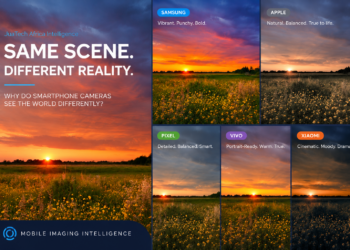
Consider two smartphones photographing the same sunset. Both may use advanced camera hardware. Both may capture excellent detail. Yet the resulting images can look remarkably different. One image may appear warmer and more dramatic. Another may prioritize natural colors and tonal balance. A third may emphasize contrast and visual impact. The scene remains the same, but the interpretation changes.
This is where Hasselblad enters the conversation. Throughout the OnePlus-Hasselblad era, the partnership focused on something less obvious than hardware specifications but equally important: how a camera translates a scene into a photograph. The goal was not simply to capture more information. It was to shape how that information was rendered and presented to the viewer.
Understanding that distinction is the key to understanding the entire collaboration. Hasselblad did not build the camera hardware inside OnePlus smartphones. Instead, it helped influence how those cameras interpreted and rendered the world. The story behind the orange shutter button is therefore not really about branding. It is about whether decades of photographic philosophy can meaningfully shape the future of smartphone photography.
Why Hasselblad Matters In Photography
The Camera Brand That Reached The Moon
To understand why OnePlus partnered with Hasselblad, it helps to understand what Hasselblad represents within the world of photography. Unlike many technology brands whose reputations were built through specifications, product launches, and rapid upgrade cycles, Hasselblad earned its status through decades of image-making excellence. Long before smartphones transformed photography into a mass-market activity, Hasselblad cameras were trusted by professionals working in fashion, portraiture, commercial photography, landscape photography, and some of the most demanding photographic environments imaginable.
The company’s reputation was built largely around its medium-format camera systems, a category long associated with exceptional image quality, extraordinary detail, rich tonal transitions, and refined color reproduction. Medium-format photography occupies a unique position within the imaging industry because it prioritizes image quality above almost everything else. For generations of photographers, Hasselblad became synonymous with precision, reliability, and a meticulous approach to visual storytelling.
Perhaps the most famous chapter in the company’s history came through its association with NASA’s Apollo missions. Hasselblad cameras accompanied astronauts into space and captured some of humanity’s most iconic photographs, including images taken on the surface of the Moon. These photographs remain significant not because of the equipment used to create them, but because they documented moments that transformed human history. In environments where reliability, accuracy, and image quality could not be compromised, Hasselblad earned trust.
Yet the company’s influence extends far beyond hardware. Professional photographers did not choose Hasselblad cameras solely because they were technically capable. They valued them because of how the images looked. Colors appeared natural and believable. Tonal transitions felt smooth and refined. Details were preserved without appearing overly processed or artificial. The resulting photographs often conveyed a sense of realism that photographers came to trust.
This distinction is important because it explains why Hasselblad became relevant to smartphone photography in the first place. The company’s legacy was never simply about building cameras. It was about shaping photographic outcomes. It was about understanding how images should be rendered, how colors should be reproduced, and how a photograph should feel when viewed.
That reputation helps answer a fundamental question at the center of the OnePlus-Hasselblad collaboration. Hasselblad’s value was not limited to engineering expertise or brand recognition. Its value came from decades spent refining the relationship between reality and representation. In an era where smartphone photography is increasingly defined by interpretation as much as capture, that perspective became remarkably relevant.
This is why Hasselblad’s opinion mattered. The company spent decades helping photographers answer a question that remains just as important today: once a camera captures a scene, how should that scene be presented to the viewer?
The Shift From Hardware To Interpretation
Cameras Do Not Simply Record Reality
Most people assume a camera’s job is straightforward. Point it at a scene, press the shutter button, and capture reality exactly as it appears. While this sounds logical, modern photography rarely works that way. In practice, every camera makes decisions about how a scene should be presented, and those decisions have a profound impact on the final image.
A simple experiment illustrates this reality. Photograph the same sunset using a Samsung Galaxy S25 Ultra, an iPhone 16 Pro Max, a Google Pixel 10 Pro, a Vivo X200 Ultra, and a OnePlus 13. The photographs may share the same subject, lighting conditions, and composition, yet the results often look noticeably different. Samsung may produce a more vibrant image with stronger contrast. Apple may prioritize balanced tones and natural skin colors. Google may focus on dynamic range and computational detail. Vivo may emphasize color richness and optical character. The OnePlus 13, representing the final chapter of the Hasselblad era, may render the scene differently again through its own approach to color science and image processing.
The scene remains unchanged. The interpretation changes. This distinction sits at the heart of modern smartphone photography. Cameras are no longer passive recording devices. They actively process information, evaluate lighting conditions, balance colors, optimize exposure, and determine how a photograph should appear. In many cases, what viewers see is not a direct representation of reality but a carefully processed interpretation of it.
This reality explains why conversations about smartphone cameras increasingly extend beyond megapixels, sensor sizes, and zoom capabilities. Hardware remains essential, but hardware alone does not determine the final image. The character of a photograph is increasingly shaped by the decisions made after light reaches the sensor.
The Rise Of Computational Photography
The shift from hardware to interpretation accelerated with the rise of computational photography. Modern smartphones combine powerful Image Signal Processors, advanced image processing algorithms, artificial intelligence, and sophisticated color science to transform raw image data into finished photographs. What once required extensive editing on professional software increasingly happens within fractions of a second inside a smartphone.
Every photograph captured on a modern flagship device undergoes a remarkably complex process before it reaches the gallery. The camera analyzes exposure, identifies subjects, evaluates lighting conditions, reduces noise, balances highlights and shadows, adjusts color rendering, and enhances detail. Artificial intelligence contributes another layer of decision-making, helping smartphones recognize scenes and optimize images automatically.
As a result, photography has become as much a software challenge as a hardware challenge. Manufacturers no longer compete solely through larger sensors or better lenses. They compete through image processing, computational photography, color science, and visual philosophy. This explains why smartphones with remarkably similar camera hardware can still produce dramatically different photographs.
Understanding this shift is essential to understanding the significance of the OnePlus-Hasselblad collaboration. The partnership emerged during a period when smartphone imaging was evolving beyond hardware specifications alone. It reflected a growing recognition that image quality is shaped not only by what a camera captures, but also by how that information is interpreted, processed, and presented.
In many ways, this shift helps explain why conversations about smartphone photography increasingly focus on color science, image rendering, and photographic character. Once hardware reaches a certain level of capability, differentiation increasingly comes from interpretation. That is precisely the space where Hasselblad sought to leave its mark.
What Hasselblad Actually Brings To OnePlus Smartphones
Natural Color Calibration
The most important contribution Hasselblad brought to OnePlus smartphones was not a camera sensor, lens, or processor. It was a philosophy about how photographs should look.
In a smartphone industry increasingly driven by computational photography and artificial intelligence, manufacturers often face a temptation to make images immediately impressive. Brighter colors attract attention on social media. Stronger contrast creates visual impact. Aggressive sharpening can make details appear more pronounced. These approaches often succeed in grabbing attention, but they do not always produce photographs that feel natural.
Hasselblad approached photography differently. For decades, the company built its reputation around creating images that felt believable and faithful to the original scene. The goal was not necessarily to create the most dramatic image. The goal was to create an image that photographers could trust.
This philosophy appeared in OnePlus smartphones through Hasselblad Natural Color Calibration. Introduced as a central element of the collaboration, the system sought to produce colors that more closely resembled how scenes appear to the human eye. Skin tones were designed to look natural rather than excessively processed. Blue skies retained realism instead of appearing unnaturally saturated. Vegetation was rendered with greater tonal subtlety rather than exaggerated vibrancy.
The difference became particularly noticeable when photographing people, landscapes, and travel scenes. Consider a sunset captured on the OnePlus 13, the final flagship of the Hasselblad era. Many smartphones would push warm tones aggressively to create a more dramatic image. A Hasselblad-tuned OnePlus image often pursued a different balance, preserving the atmosphere of the moment while maintaining color relationships that felt authentic. The resulting photograph might not always be the most eye-catching image on a store display, but it was often closer to what the photographer actually experienced.
Hasselblad Pro Mode
The collaboration extended beyond color science into the photographic workflow itself. One of the clearest examples was Hasselblad Pro Mode, which reflected the company’s long-standing commitment to creative control.
Modern smartphone cameras are remarkably intelligent. They automatically adjust exposure, optimize focus, balance colors, and enhance image quality without requiring user intervention. For most people, this automation is beneficial. Yet photographers and creators often want greater control over the creative process.
Hasselblad Pro Mode provided users with manual controls that mirrored many of the adjustments available on dedicated cameras. Photographers could control ISO, shutter speed, focus, white balance, and exposure compensation directly from the camera interface. Support for RAW image capture further expanded creative flexibility by preserving more image data for editing and post-processing.
This functionality proved particularly valuable for creators, enthusiasts, and professionals seeking consistent results across different shooting conditions. A travel creator documenting a city at night, a content creator producing social media content, or a photographer capturing landscapes at sunrise could all benefit from greater control over how the final image was created.
The significance of Hasselblad Pro Mode was not simply the presence of manual controls. Many smartphones offered similar features. The difference lay in the philosophy behind them. Hasselblad approached photography as a creative process rather than a fully automated one. The inclusion of professional tools reflected an understanding that some photographers wanted to shape the image themselves rather than relying entirely on computational decisions.
The Philosophy Behind The Orange Button
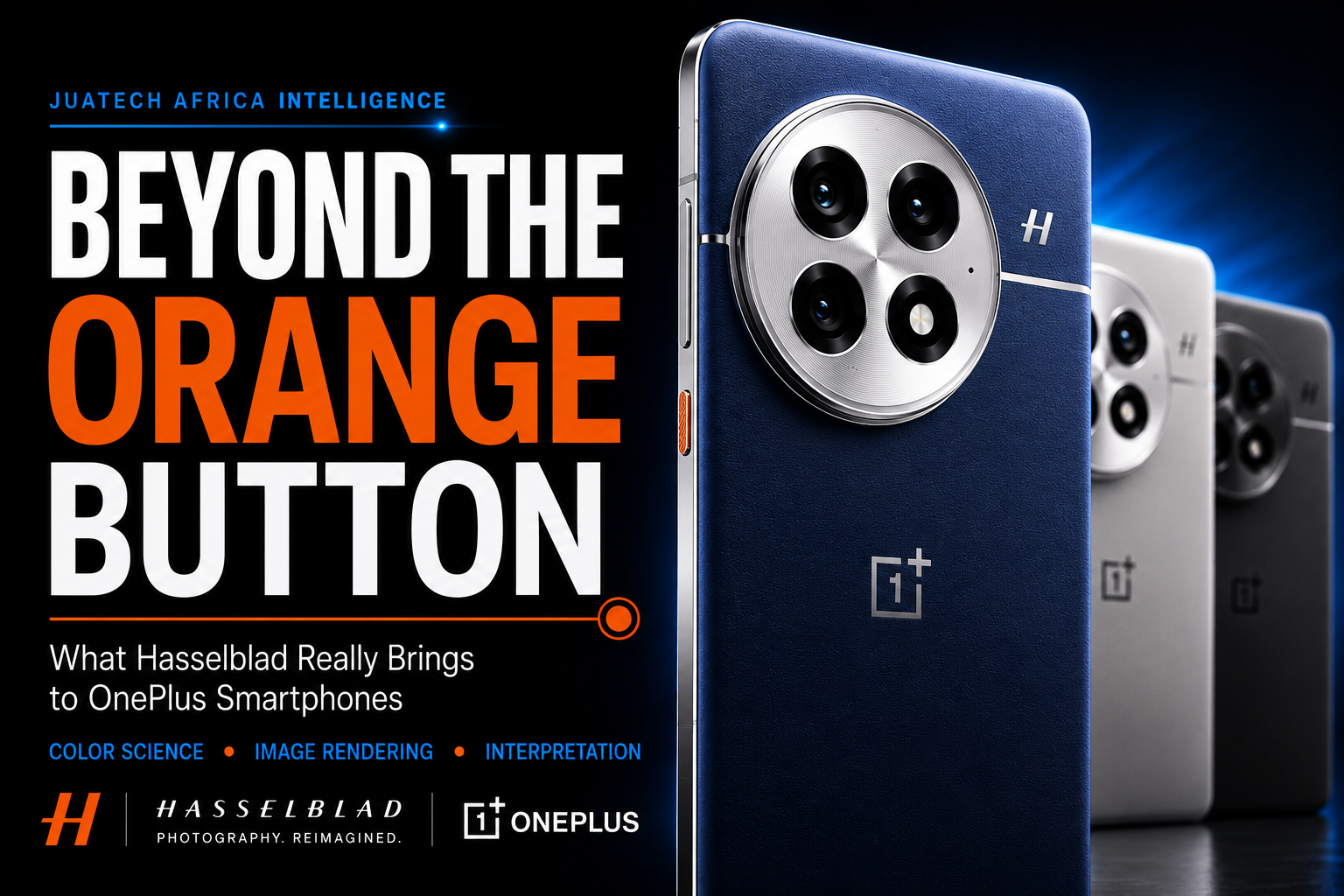
At first glance, the orange shutter button found on Hasselblad-tuned OnePlus smartphones appeared to be a minor design detail. In reality, it became one of the most visible symbols of the partnership.
The orange shutter button drew inspiration from Hasselblad’s design heritage and served as a reminder that photography is about more than technology. It represented a culture built around image-making, observation, patience, and creative intent. Pressing the shutter is not merely a technical action. It is the moment a photographer decides how a scene should be preserved.
This symbolism helps explain why the collaboration resonated beyond specifications. Throughout the OnePlus-Hasselblad era, devices such as the OnePlus 9 Pro, OnePlus 10 Pro, OnePlus 11, OnePlus Open, OnePlus 12, and OnePlus 13 combined advanced camera hardware with Hasselblad’s imaging philosophy. Large image sensors, sophisticated image processing pipelines, powerful Image Signal Processors, and computational photography systems contributed significantly to image quality. Hasselblad’s role was not to replace these technologies, but to help shape how they were used and how the resulting photographs were presented.
For users, the changes were not always obvious in a specification comparison. A Hasselblad partnership could not magically transform weak hardware into a world-class camera system. What it could do was influence the character of the image. It could affect color rendering, tonal balance, photographic workflow, and the overall visual experience.
This distinction ultimately answers the most important question surrounding the collaboration. The OnePlus-Hasselblad partnership demonstrated that image quality is about more than hardware specifications. Sensors capture information. Optics guide light. Image Signal Processors transform data. Artificial intelligence enhances the result. Hasselblad contributed something different: a philosophy about how photographs should look and feel.
In an industry increasingly defined by interpretation as much as capture, that influence proved remarkably significant.
Why Color Science Matters More Than Most People Realize
Photography Is About Memory
Most people do not take photographs because they care about image sensors, dynamic range charts, or color calibration systems. They take photographs because they want to remember something. A family gathering, a child’s birthday, a sunset during a holiday, a graduation ceremony, or a meaningful conversation with friends all represent moments people hope to preserve long after they have passed.
This simple reality helps explain why photography has always been about more than technical specifications. Years after a photograph is taken, very few people remember the megapixel count of the camera that captured it. They remember how the image makes them feel. They remember the atmosphere of the moment, the warmth of the evening light, the expression on a loved one’s face, or the colors that defined a particular experience.
Color plays a surprisingly powerful role in shaping those memories. A sunset photograph with overly aggressive processing may appear visually striking, yet fail to reflect the mood that existed when it was captured. A portrait with unnatural skin tones may appear technically impressive while feeling disconnected from the person being photographed. A travel image may preserve every detail of a destination yet lose the emotional character that made the experience memorable in the first place.
This is why color science matters. The choices a camera system makes about color, contrast, saturation, and tonal balance influence how people experience a photograph long after it has been taken. Photography is ultimately about preserving moments, and the way those moments are rendered influences how they are remembered.
The Difference Between Accurate And Pleasing
One of the most misunderstood aspects of photography is the assumption that cameras simply document reality. In practice, photography has always involved interpretation. Every camera system makes decisions about how colors should appear, how contrast should be balanced, and how a scene should be presented to the viewer.
This creates an important distinction between accuracy and visual appeal. An image that is technically accurate may not always feel emotionally engaging. Conversely, an image that is heavily processed may attract immediate attention while drifting further away from the original scene. Smartphone manufacturers constantly navigate this balance, making deliberate choices about how their cameras render the world.
This is where photographic philosophy becomes important. Samsung often pursues stronger visual impact through vibrant colors and pronounced contrast. Google emphasizes computational intelligence, dynamic range, and detail recovery. Apple generally prioritizes consistency and natural rendering. Vivo frequently leans into rich color reproduction and optical character. During the OnePlus-Hasselblad era, OnePlus pursued a philosophy centered on natural color calibration and photographic realism.
The goal was never simply to create the most dramatic image. It was to create an image that felt believable. When viewers look at a photograph and instinctively feel that it reflects the atmosphere, mood, and character of the original scene, color science has done its job well.
This helps explain why the OnePlus-Hasselblad collaboration mattered. The partnership was not simply about producing sharper photographs or improving camera specifications. It was about influencing how images felt. In modern smartphone photography, that influence can be just as important as the hardware itself.
Editorial Note: There Is No Single Correct Image
It is important to recognize that photographic philosophy is ultimately subjective. A photographer who values realism may prefer Hasselblad’s approach to color science and image rendering. Another may prefer Samsung’s vibrant presentation, Google’s computational interpretation, Apple’s balanced consistency, or Vivo’s emphasis on color richness and optical character.
The goal of photography is not always accuracy. In many cases, photographers deliberately choose interpretations that evoke emotion, create visual impact, or express a particular artistic vision. What feels natural to one person may appear understated to another.
This is why discussions about smartphone cameras increasingly extend beyond questions of which device is objectively best. Modern imaging systems are often distinguished by their visual philosophy as much as their technical capabilities. Different approaches serve different preferences, audiences, and creative goals.
The significance of the OnePlus-Hasselblad collaboration therefore lies not in proving that one interpretation is superior to another. Its significance lies in highlighting an important reality: every camera system makes choices about how the world should be presented. Understanding those choices helps photographers and creators select the tools that best align with their own vision.
Editorial Insight: One Scene. Five Interpretations
Imagine photographing the same landscape using five flagship smartphones.
A Samsung device may produce deeper blues, stronger contrast, and a more dramatic presentation. A Google Pixel may focus on preserving detail across shadows and highlights while relying heavily on computational photography. An iPhone may prioritize tonal consistency and balanced color reproduction. A Vivo flagship may emphasize optical character and richer color rendering. A OnePlus device from the Hasselblad era may seek a more natural interpretation designed to preserve the atmosphere of the scene.
The landscape has not changed. The light has not changed. The composition has not changed. What changes is the interpretation.
This is one of the most important realities in modern smartphone photography. Cameras no longer compete solely on their ability to capture information. They compete on how they process, render, and present that information. Different philosophies create different visual outcomes, even when photographing the same scene.
The result is a simple but powerful truth. Modern smartphone photography is not only about what a camera sees. It is also about how a camera chooses to show it.
Can Hasselblad Make A Smartphone Camera Better?
Not By Itself
At this point, an important question emerges. If Hasselblad contributes color science, photographic philosophy, and image rendering expertise, can it transform any smartphone into a great camera?
The answer is NO.
This distinction matters because modern smartphone photography remains fundamentally dependent on hardware. Regardless of how sophisticated image processing becomes, every photograph still begins with light entering a camera system. Before colors can be rendered, before images can be processed, and before artificial intelligence can optimize a scene, the camera must first capture information from the real world.
This is why image sensors continue to matter. A larger and more capable sensor can capture more light, preserve greater detail, and deliver stronger performance in challenging conditions. Optics remain equally important because the quality of a photograph depends heavily on how accurately light reaches the sensor. Even the most advanced color science cannot recover detail that was never captured or fully compensate for limitations introduced by poor optics.
The same principle applies to Image Signal Processors and computational photography. As explored throughout the Mobile Imaging Intelligence series, the ISP serves as the foundation of modern smartphone imaging. It transforms raw sensor data into usable image information, manages exposure, reduces noise, balances dynamic range, and enables many of the computational techniques that define smartphone photography today. Artificial intelligence builds on that foundation, helping cameras recognize scenes, optimize settings, and enhance image quality in real time.
This reality explains why the most successful smartphones of the OnePlus-Hasselblad era combined photographic philosophy with strong imaging hardware. Devices such as the OnePlus 12 and OnePlus 13 paired Hasselblad’s color science and image-rendering philosophy with advanced sensors, sophisticated optics, powerful Image Signal Processors, and increasingly capable computational photography systems. The partnership enhanced those technologies. It did not replace them.
A useful way to think about the collaboration is through an orchestra. The sensor, optics, ISP, and artificial intelligence provide the instruments. They generate the information required to create a photograph. Hasselblad contributes something different. It helps shape how those elements work together and how the final image is presented to the viewer.
This is ultimately where the partnership delivered value. Hasselblad could not compensate for weak hardware, nor could it single-handedly transform an average camera into a flagship imaging system. What it could do was influence the character of the image. It could shape color rendering, tonal balance, photographic workflow, and the overall visual experience.
In modern smartphone photography, that influence matters. Yet it achieves its greatest impact when paired with strong hardware, capable image processing, and advanced computational photography. Photographic philosophy enhances a camera system. It does not replace one.
Beyond The Orange Button
At the beginning of this article, we asked a simple question: what did Hasselblad actually bring to OnePlus smartphones? The answer, as it turns out, had very little to do with branding and far more to do with philosophy.
The orange shutter button found on Hasselblad-tuned OnePlus smartphones was never the story. It was a symbol. A reminder that smartphone photography had evolved far beyond a competition defined solely by megapixels, sensor sizes, zoom ranges, and hardware specifications. While those technologies remained essential, they represented only part of the imaging equation.
As smartphone cameras became increasingly sophisticated, manufacturers began competing on factors that were often invisible to the average user. Color science shaped how scenes were rendered. Image processing influenced tonal balance and contrast. Computational photography determined how information was interpreted. Artificial intelligence optimized and enhanced the final result. Together, these technologies influenced how photographs looked, felt, and connected with the people viewing them.
This is where Hasselblad’s contribution became meaningful. Rather than replacing sensors, optics, Image Signal Processors, or artificial intelligence, Hasselblad helped shape how those technologies worked together to present a scene. Its influence was rooted in photographic philosophy, color science, and image rendering.
Although the partnership concluded with the OnePlus 13 in 2025, its significance extends beyond any single smartphone. The collaboration helped popularize conversations around color science, photographic character, image rendering, and the idea that smartphone photography is about more than hardware specifications alone.
The legacy of the OnePlus-Hasselblad era is therefore not a camera feature or a software mode. It is a broader understanding of how modern photography works. The best smartphone cameras are no longer defined solely by what they capture. They are increasingly defined by how they interpret and present the world around us. Great smartphone photography is not only about what a camera sees. It is also about how a camera chooses to show it.
Continue Exploring Mobile Imaging Intelligence
The OnePlus-Hasselblad partnership represents one layer of a much larger imaging ecosystem. Throughout the Mobile Imaging Intelligence series, JuaTech Africa explores the technologies, decisions, and philosophies that shape modern smartphone photography.
- Sony explains how image sensors capture light and create the foundation of every photograph.
- Zeiss explores how optics influence image quality before software enters the process.
- Leica demonstrates how photographic heritage and visual character shape image rendering.
- The ISP reveals how raw sensor data becomes a finished photograph.
- AI Imaging examines how artificial intelligence enhances and optimizes images.
- Megapixels explains why image quality extends far beyond resolution.
- Smartphone Video shows how modern imaging technologies transformed smartphones into powerful video production tools.
- Hasselblad explores how photographic philosophy influences interpretation and visual experience.
Taken together, these articles tell a larger story about the evolution of smartphone imaging. Sony explains capture. Zeiss explains optics. The ISP explains processing. Artificial intelligence explains enhancement. Hasselblad explains interpretation.
Each layer contributes something different. Together, they reveal why modern smartphone photography can no longer be understood through specifications alone. The best camera systems emerge when hardware, software, computational photography, and photographic philosophy work together as a unified imaging experience. Essentially, that is the idea at the heart of Mobile Imaging Intelligence.
Sign-up to JuaTech Africa Newsletter for Intelligence Briefs on the Mobile Tech Industry.