

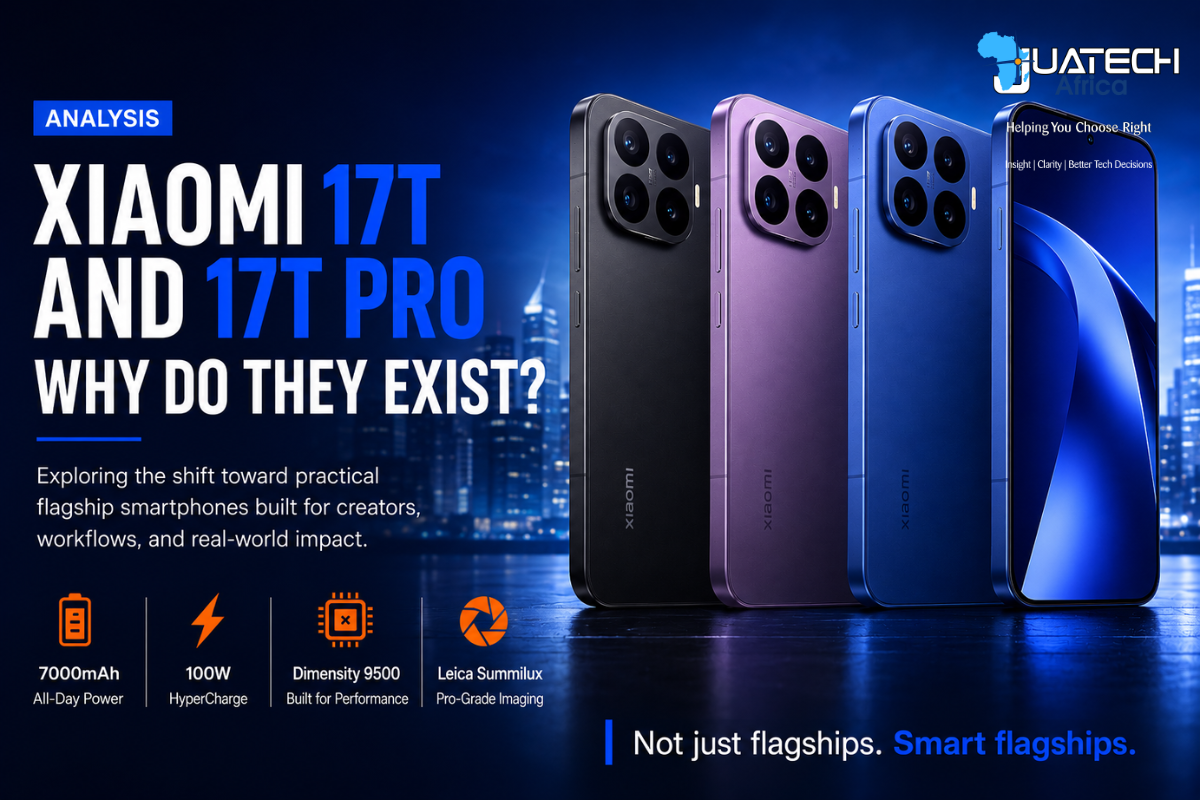
With Leica cameras, massive batteries, and workflow-first performance, the Xiaomi 17T series may signal a major shift in smartphone design, where smarter creator experiences matter more than ultra-premium hype.
The Smartphone Market Is Entering a Different Era
Modern smartphones have never been more powerful, yet they have arguably never been more difficult to meaningfully differentiate. Over the last few years, the flagship smartphone market has aggressively pushed toward larger camera systems, more experimental AI features, faster chipsets, and increasingly premium price tags. But while the industry continues chasing technical extremes, many creators and mobile-first professionals are beginning to prioritize something far more practical. Reliability now matters more. Endurance matters more. Sustained performance matters more. For a generation building businesses, brands, and creative careers directly from their smartphones, the conversation is gradually shifting away from luxury-first innovation toward devices that can consistently support demanding real-world workflows.

This is what makes the Xiaomi 17T and Xiaomi 17T Pro particularly interesting. On paper, Xiaomi’s flagship lineup was already strong before the 17T series arrived. The Xiaomi 17 series already delivered premium hardware, capable Leica-powered imaging systems, flagship-grade performance, fast charging, and creator-ready experiences across the board. In many ways, Xiaomi had already established itself as one of the most aggressive players in the modern flagship smartphone market. So naturally, an important question emerges: if the Xiaomi 17 lineup was already creator-capable and competitively positioned, why does the Xiaomi 17T series exist at all?
The answer may reveal something bigger happening across the smartphone industry itself. Increasingly, modern smartphones are no longer being defined purely by raw specifications or premium aesthetics. Instead, they are beginning to reflect shifting user priorities, especially among creators, entrepreneurs, and heavy mobile users whose workflows now depend almost entirely on consistent performance, battery confidence, and practical usability.
The Xiaomi 17 Series Was Already Good Enough
Before the Xiaomi 17T series entered the conversation, Xiaomi had already built one of the most complete flagship smartphone lineups in the market. The Xiaomi 17 series did not arrive as an underpowered or unfinished ecosystem in need of correction. It already delivered many of the qualities modern creators and premium smartphone users care about most. Across the lineup, Xiaomi offered flagship-grade performance, refined industrial design, advanced Leica-powered camera systems, fast charging, and premium display technology, comfortably positioning the series in high-end smartphone territory.
More importantly, the Xiaomi 17 lineup already felt mature. The devices were no longer simply competing on raw specifications. Xiaomi had clearly evolved beyond the “flagship killer” era into a brand increasingly confident in delivering premium flagship experiences that can stand alongside the biggest names in the industry. For creators especially, the lineup already provided a strong foundation for mobile photography, long-form video recording, editing workflows, multitasking, and the demanding daily productivity that modern mobile-first work increasingly requires. In many ways, Xiaomi had already solved the traditional creator smartphone formula before the 17T series even arrived.
This is what makes the Xiaomi 17T and 17T Pro particularly interesting strategically. These devices are not solving a lack of capability within Xiaomi’s flagship ecosystem. The cameras were already strong. The performance was already fast. The premium identity was already established. Instead, the 17T series appears to reflect a shift in how smartphone brands are beginning to interpret modern user priorities.
This is less about adding new features and more about redefining what modern flagship users value most. Increasingly, creators and heavy mobile users are not simply asking for more power. They are asking for smarter optimization around endurance, workflow consistency, sustained performance, and practical everyday usability.
The Real Problem Xiaomi May Be Trying to Solve
The modern smartphone is no longer just a communication device. For millions of people today, it has quietly evolved into a primary work tool, creative platform, production studio, and business hub all at once. Entire careers are now being built directly from smartphones. Videos are filmed, edited, uploaded, and distributed from the same device. Meetings happen on smartphones. Brands are managed from smartphones. Client communication, analytics, scheduling, design work, and social publishing increasingly operate within mobile-first workflows that barely slow down throughout the day.
For years, smartphone competition largely revolved around headline specifications. Better cameras. Faster processors. Higher benchmark scores. More premium materials. But as creator culture and mobile productivity continue expanding, many users are beginning to prioritize something more practical: consistency. A phone that performs well for twenty minutes is no longer enough for creators whose workflows may involve hours of filming, editing, multitasking, livestreaming, and constant connectivity. This broader shift is fundamentally changing what users expect from flagship devices.
This is where modern smartphone users are beginning to separate into different workflow identities. Some users prioritize camera prestige and lifestyle aesthetics. Others care deeply about gaming performance and aggressive cooling systems. Some simply want a refined premium experience for everyday use. But creators, heavy mobile professionals, and productivity-focused users often prioritize an entirely different set of needs. Battery endurance matters more. Thermal stability matters more. Sustained performance matters more. Workflow reliability matters more. Increasingly, the value of a flagship smartphone is no longer defined purely by peak performance, but by how consistently the device can support demanding real-world usage throughout an entire day.
The Xiaomi 17T series appears carefully positioned around those realities, particularly at a time when endurance and workflow consistency are becoming increasingly important within modern creator culture. The large batteries, flagship-level performance, fast charging, and creator-oriented imaging approach suggest Xiaomi is paying closer attention to endurance-heavy smartphone usage rather than simply chasing specification excess. This becomes especially relevant as smartphones continue replacing multiple tools within a creator’s workflow.
Long-form video recording, on-device editing, outdoor production, multitasking, and real-time publishing all place enormous demands on battery life, thermal management, and long-term performance consistency. In many ways, the Xiaomi 17T series does not merely feel like another flagship refresh. Instead, it feels like a response to how modern smartphone behavior itself is evolving, particularly among creators and heavy mobile users whose daily workflows increasingly depend on reliability, endurance, and practical usability.
Why the Xiaomi 17T Series Feels Different
What makes the Xiaomi 17T series particularly interesting is that Xiaomi does not appear to be positioning these devices solely around traditional luxury-flagship messaging. The Xiaomi 17 lineup already handled premium aesthetics, flagship photography, and high-end smartphone experiences convincingly well. Instead, the 17T series feels designed around something more practical: reducing friction within demanding modern smartphone workflows.
That philosophy becomes increasingly visible when looking at how the devices are balanced. Xiaomi’s continued partnership with Leica remains important, but the significance here is not simply about attaching premium camera branding to another smartphone release. Across the Xiaomi 17T series, the Leica-powered imaging experience feels positioned as an accessible creator tool rather than an ultra-premium showcase feature reserved only for the highest-end devices. In practical terms, that matters for creators whose workflows increasingly depend on flexible smartphone photography and long-form video production without necessarily requiring the cost or complexity of an Ultra-tier flagship.
The same philosophy extends to endurance and sustained usage. The large battery capacities across the lineup immediately stand out, but their real significance goes beyond specification sheets. Modern creators often operate within nonstop mobile workflows that involve filming outdoors, editing content on-device, managing multiple applications simultaneously, and maintaining constant online connectivity throughout the day. Under those conditions, battery life stops being a convenience feature and becomes part of the creative workflow itself.
Performance appears to follow a similarly practical direction. The Xiaomi 17T series feels less focused on short bursts of benchmark dominance and more focused on maintaining reliable long-term performance under sustained workloads. That distinction matters because real-world creator usage rarely happens in controlled benchmark environments. It happens during extended recording sessions, live publishing, multitasking, mobile editing, and long hours of continuous usage where thermal stability and consistency often matter more than peak numbers.
Fast charging also becomes more meaningful within this context. For many creators and heavy mobile users, charging speed is no longer simply about convenience. It is increasingly about workflow flexibility and production confidence. The ability to quickly recover hours of battery life between meetings, shoots, travel, or editing sessions directly affects how comfortably creators can operate throughout the day without constantly planning around power limitations.
Taken together, the Xiaomi 17T series feels less like a luxury-first flagship lineup and more like a high-performance creator workhorse built around practical endurance, sustained usability, and performance-per-dollar efficiency. The goal here does not appear to be excess. It appears to be optimization.
Xiaomi 17T vs Xiaomi 17T Pro Specifications
While the broader philosophy behind the Xiaomi 17T series feels increasingly centered around workflow-first smartphone experiences, the hardware differences between the Xiaomi 17T and Xiaomi 17T Pro still reveal how Xiaomi is separating the lineup for different types of users. Both devices clearly prioritize creator-oriented usability, endurance, and flagship-level performance, but the Xiaomi 17T Pro pushes more aggressively toward sustained productivity, heavier mobile workflows, and high-performance creator usage.
| Feature | Xiaomi 17T | Xiaomi 17T Pro |
| Display | 6.59-inch 1.5K AMOLED, 120Hz | 6.83-inch AMOLED, 144Hz |
| Processor | MediaTek Dimensity 8500-Ultra | MediaTek Dimensity 9500 |
| Rear Cameras | Leica-powered triple camera system | Leica Summilux triple camera system |
| Main Camera | 50MP primary sensor | 50MP primary sensor |
| Telephoto Camera | 50MP 5x telephoto | 50MP 5x periscope telephoto |
| Ultra-Wide Camera | Ultra-wide camera included | Ultra-wide camera included |
| Battery Capacity | 6500mAh | 7000mAh silicon-carbon battery |
| Wired Charging | 67W fast charging | 100W fast charging |
| Wireless Charging | No | 50W wireless charging |
| Software | Android 16 with HyperOS 3 | Android 16 with HyperOS 3 |
| Positioning | Practical smart flagship | Endurance-focused creator flagship |
On paper, the Xiaomi 17T Pro clearly pushes harder on endurance, charging speed, and sustained creator-focused performance. The larger 7000mAh silicon-carbon battery, faster 100W charging, wireless charging support, and more powerful Dimensity chipset position it as the more aggressive productivity and creator-oriented device within the lineup.
The standard Xiaomi 17T, however, still retains much of the series’ core philosophy. It offers the same workflow-first approach, Leica-powered imaging direction, large-battery strategy, and flagship-level experience, while likely appealing to users seeking a more balanced performance-to-value ratio.
In many ways, the difference between the Xiaomi 17T and Xiaomi 17T Pro is not simply about “better” versus “worse.” Instead, it reflects how Xiaomi appears to be optimizing each device around different levels of creator intensity, mobile productivity, and sustained real-world smartphone usage.
Why the Xiaomi 17T Series Feels Different
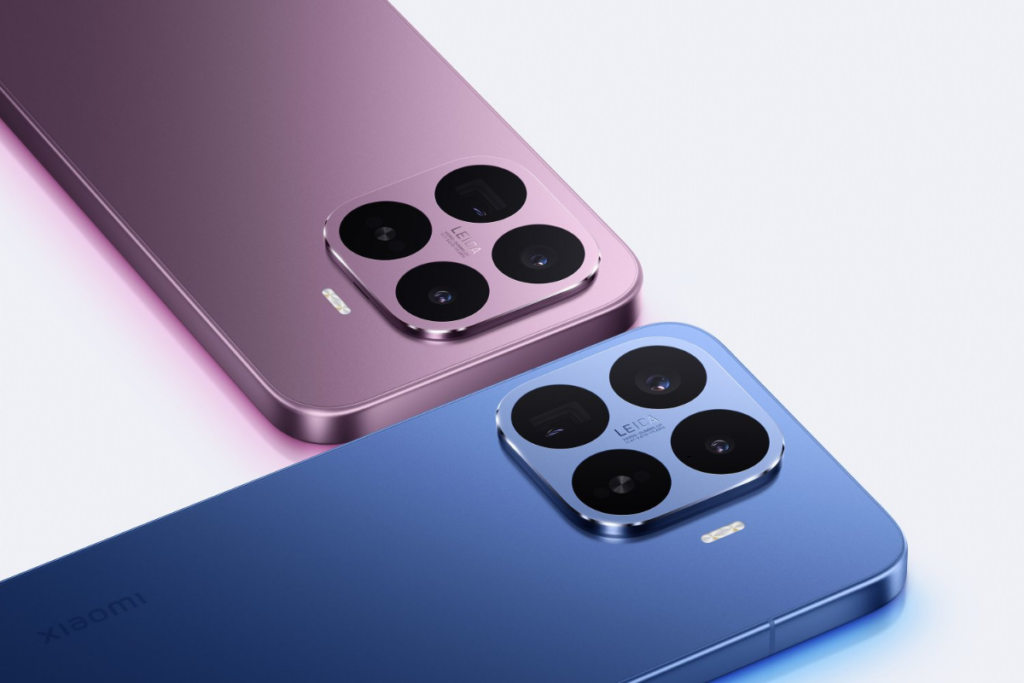
What makes the Xiaomi 17T series particularly interesting is that Xiaomi does not appear to be positioning these devices solely around traditional luxury-flagship messaging. The Xiaomi 17 lineup already handled premium aesthetics, flagship photography, and high-end smartphone experiences convincingly well. Instead, the 17T series feels designed around something more practical: reducing friction in demanding modern smartphone workflows while still delivering the performance and imaging quality creators increasingly expect from flagship devices.
That philosophy becomes clearer when looking at how the devices are balanced. Xiaomi’s continued partnership with Leica remains important, but the significance here goes beyond attaching premium camera branding to another smartphone release. Across the Xiaomi 17T series, the Leica-powered imaging experience feels positioned as a more accessible creator tool rather than an ultra-premium showcase feature reserved only for the highest-end devices. That matters for creators whose workflows increasingly depend on flexible smartphone photography, visual storytelling, and long-form video production without necessarily requiring the cost or complexity of an Ultra-tier flagship.
The same philosophy extends to endurance and sustained usage. The large batteries across the lineup immediately stand out, but their importance goes beyond specification sheets. Modern creators increasingly operate within nonstop mobile workflows involving filming outdoors, editing content on-device, multitasking, and maintaining constant connectivity throughout the day. Under those conditions, battery life stops being a convenience feature and becomes part of the creative workflow itself.
Performance also appears to follow a similarly practical direction. The Xiaomi 17T series feels less focused on short bursts of benchmark dominance and more focused on maintaining reliable long-term performance under sustained workloads. That distinction matters because real-world creator usage rarely happens in controlled benchmark environments. It happens during extended recording sessions, live publishing, mobile editing, and long hours of continuous usage where thermal stability and consistency often matter more than peak numbers.
Fast charging becomes equally important within this context. For creators and heavy mobile users, charging speed is no longer simply about convenience. The ability to quickly recover battery life between meetings, shoots, travel, or editing sessions directly affects workflow flexibility and production confidence throughout the day.
Taken together, the Xiaomi 17T series feels less like a luxury-first flagship lineup and more like a high-performance creator workhorse built around practical endurance, sustained usability, and performance-per-dollar efficiency. The goal here does not appear to be excess. It appears to be optimization.
What This Means for Creators
For many creators today, especially across Kenya and the broader African market, the smartphone is no longer just a companion device. In many cases, it has become the entire creative setup. Videos are filmed on smartphones, edited on smartphones, uploaded from smartphones, and distributed across platforms like YouTube, TikTok, Instagram, and Facebook without ever touching a traditional computer. For a growing generation of mobile-first creators, the smartphone has quietly evolved into the camera, editing station, publishing tool, communication hub, and business device all at once.
That reality changes what creators actually value in a flagship smartphone. A creator filming outdoors in Nairobi traffic, covering an event in Mombasa, documenting travel content across East Africa, or recording street interviews for TikTok is not only thinking about camera quality. Battery confidence matters because workflows rarely stop once production begins. Thermal stability matters because extended recording sessions, editing workloads, and constant multitasking quickly expose weak performance management. Charging speed matters because creators often move between locations, meetings, shoots, and publishing deadlines with very little downtime.
This is where the Xiaomi 17T series begins to make practical sense. The large batteries, sustained-performance philosophy, fast-charging capabilities, and creator-oriented imaging experience align closely with how many modern creators actually work. For creators operating within mobile-first environments, reliability often becomes more valuable than raw flagship prestige. The most expensive smartphone is not always the most useful one if it struggles to comfortably support demanding daily workflows over long periods of continuous usage.
That reality feels particularly relevant within African creator culture, where smartphones increasingly serve as accessible production tools for entrepreneurs, videographers, storytellers, small-business owners, influencers, and independent media creators who build audiences directly on mobile platforms. In many ways, modern creator culture across Africa is not shaped solely in expensive production studios. It is increasingly being built through practical mobile workflows powered almost entirely by smartphones.
For creators, the most valuable smartphone is often the one that quietly keeps up with the pace of modern creative work. Reliability, endurance, workflow consistency, and practical usability increasingly matter more than luxury branding alone, especially for creators building ambitious careers within fast-moving mobile-first environments.
Why This Matters Beyond Xiaomi
The Xiaomi 17T series ultimately feels important not simply because of the devices themselves, but because of what they may represent within the broader smartphone industry. Over the last few years, flagship smartphones have become increasingly powerful, increasingly expensive, and in many cases increasingly difficult to meaningfully differentiate. Most modern flagship devices already offer excellent cameras, high-end displays, fast processors, and premium materials. As a result, many users are beginning to experience a certain level of flagship fatigue, where technical improvements continue, but the practical day-to-day experience changes far less dramatically than it once did.
This has also created growing overlap across the premium smartphone market. Luxury-focused flagships, creator-oriented phones, gaming devices, and productivity smartphones increasingly compete within similar performance territory, often separated more by marketing language than by radically different real-world experiences. In that environment, the conversation may gradually shift away from who can build the most excessive smartphone and toward who can build the most intelligently optimized one.
That shift feels particularly relevant as smartphones become more deeply integrated into modern work culture and creator workflows. Increasingly, users are not simply looking for premium devices. They are looking for smartphones that comfortably support demanding daily use over long periods without introducing unnecessary friction into their workflows. Battery endurance, sustained performance, charging reliability, thermal management, and practical usability are becoming more meaningful parts of the flagship conversation itself.
This reality carries even greater weight across many African markets, where smartphones are often far more than companion devices. For a growing generation of creators, entrepreneurs, freelancers, and small business owners, smartphones increasingly function as production studios, communication tools, editing systems, and business infrastructure all at once. In these environments, practical innovation often matters more than luxury positioning alone.
The rise of practical flagship smartphones may ultimately become more important than the race toward increasingly ultra-premium devices. And in many ways, the Xiaomi 17T series feels closely aligned with that broader shift in how modern users increasingly define value, productivity, and performance in the smartphone era.
The Smart Flagship Era May Just Be Beginning
The Xiaomi 17T series may not radically reinvent the smartphone, but it may ultimately miss the point of what these devices appear to be designed to achieve. In many ways, the significance of the Xiaomi 17T and 17T Pro lies less in introducing entirely new capabilities and more in responding to changing user realities. As smartphones become increasingly central to how people create, work, communicate, and build businesses, the definition of a modern flagship device is also evolving.
For years, the smartphone industry largely competed around technical extremes. Better zoom systems. Faster benchmark scores. More premium materials. More experimental features. But for many creators, entrepreneurs, and heavy mobile users today, the priorities increasingly look different. Reliability matters more. Endurance matters more. Workflow consistency matters more. The ability of a smartphone to comfortably support demanding real-world use over long periods is becoming just as important as raw technical performance itself.
That shift feels particularly relevant in modern creator culture, especially in mobile-first markets where smartphones increasingly serve as production tools, editing systems, communication hubs, and business infrastructure all at once. In these environments, practical innovation often creates more meaningful value than luxury positioning alone.
The rise of practical flagship smartphones may ultimately become more important than the race toward increasingly ultra-premium devices. And in that conversation, the Xiaomi 17T and 17T Pro may end up being some of Xiaomi’s smartest devices yet.