

Smartphones were once viewed as convenient alternatives to dedicated video cameras. Today, they are used to produce YouTube channels, documentaries, business campaigns, social media content, and even feature films. The transformation did not happen because smartphones became traditional cameras. It happened because they evolved into complete video production systems that combine advanced imaging systems, computational video, image processing, and artificial intelligence into a single device.
The Camera Most Creators Already Own
Not long ago, producing professional video required significant investment. Creators needed dedicated cameras, specialized lenses, stabilization equipment, editing software, and the technical knowledge to operate them effectively. Professional video production was often defined by access to expensive tools and complex workflows. Smartphones were useful for capturing everyday moments, but few people considered them serious filmmaking devices.

Today, that reality looks very different. Content creators build entire YouTube channels using smartphones. Journalists document breaking news from the field with mobile devices. Businesses create marketing campaigns without large production teams. Educators record online courses, entrepreneurs produce promotional content, and filmmakers experiment with projects that would once have required considerably larger budgets. Across industries, smartphones have become legitimate video production tools capable of producing content consumed by millions of people every day.
The transformation raises an important question. How did a device originally designed for communication evolve into one of the most widely used video cameras in the world? The answer reveals far more than improvements in camera hardware. It tells the story of how multiple technologies converged to make professional-quality video creation more accessible than at any point in history.
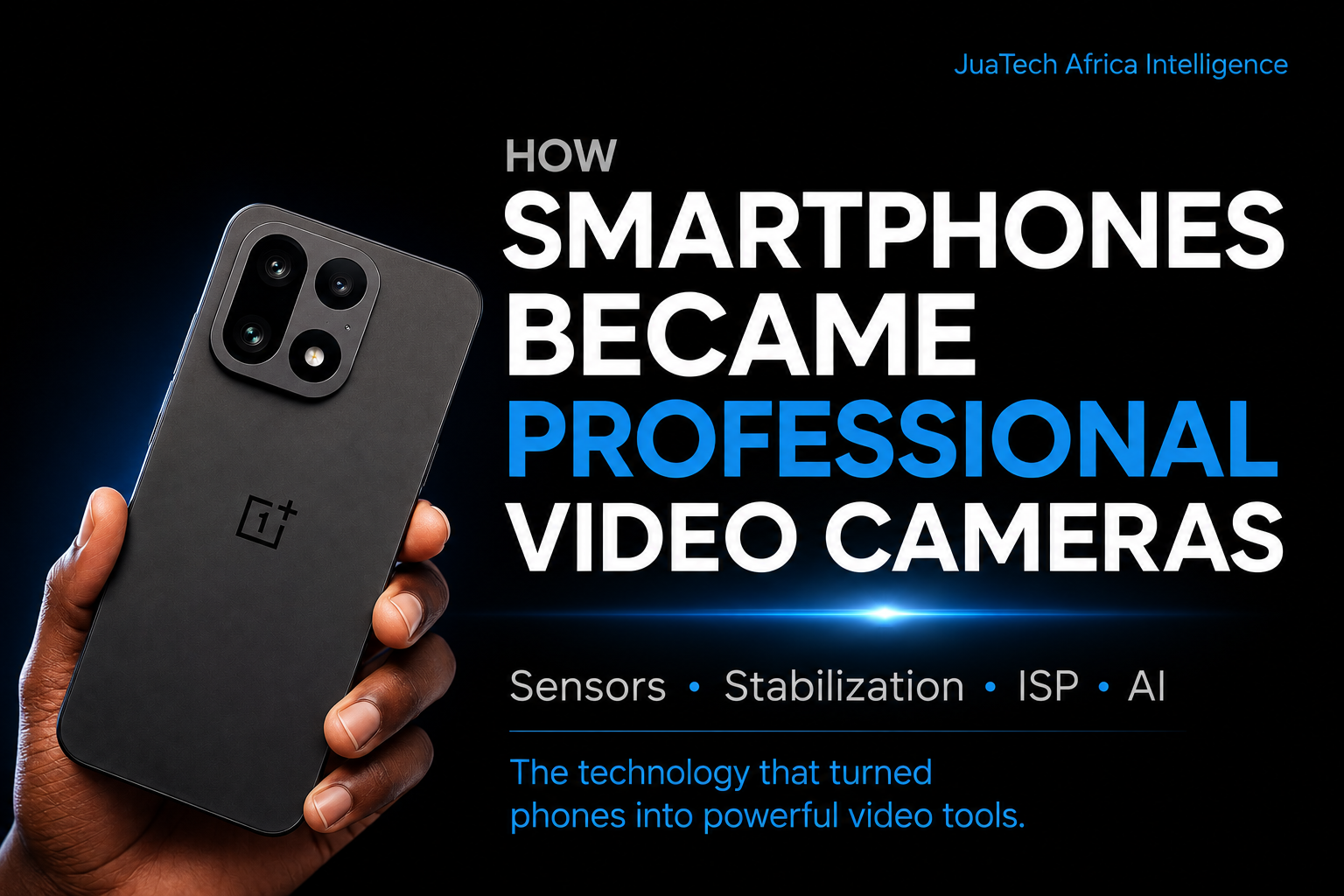
The most important change was not that smartphones became better cameras. It was that they became complete video production systems. Better sensors, improved optics, advanced stabilization, powerful Image Signal Processors, computational video technologies, and artificial intelligence combined to solve many of the limitations that once separated smartphones from professional equipment. As a result, millions of people now carry tools capable of producing content that would have required dedicated cameras only a few years ago.
Why Smartphone Video Improved So Dramatically
From Recording Devices To Imaging Systems
The rise of smartphone videography did not happen because of a single breakthrough. It emerged through years of progress across multiple technologies working together. Early smartphones could record video, but the results often struggled to meet professional expectations. Footage appeared shaky, dynamic range was limited, colors lacked consistency, and low-light performance frequently disappointed. Recording video was possible, but creating professional-looking content remained difficult.
Modern smartphones approach video differently. Rather than functioning as simple recording devices, they operate as integrated imaging systems. Sensors capture more light and preserve more information. Improved optics help maintain image quality before processing begins. Image Signal Processors analyze enormous amounts of visual data in real time. Computational video techniques continuously optimize exposure, color accuracy, sharpness, and dynamic range while footage is being recorded.
This shift matters because viewers rarely judge video based on technical specifications. They judge it based on what they see. Smooth motion, balanced exposure, natural colors, and reliable performance often influence viewer perception far more than frame rates or resolution figures. Smartphone manufacturers recognized this reality and increasingly focused on improving the entire video experience rather than individual components.
The result is a generation of devices capable of producing footage that would have been difficult to imagine from a smartphone only a few years ago. What once required dedicated video cameras, stabilization equipment, and extensive post-production can increasingly be achieved using a device that fits comfortably in a pocket.
How Smartphones Learned To Overcome Their Limitations
Stabilization Changed Handheld Video
One of the greatest weaknesses of early smartphone video was camera shake. Human hands are naturally unsteady, and even minor movements can make footage appear distracting or unprofessional. Traditional video production often relied on tripods, gimbals, and specialized stabilization equipment to achieve smooth results. While effective, these tools increased both cost and complexity.
Modern smartphones increasingly solve this problem through a combination of Optical Image Stabilization, Electronic Image Stabilization, and advanced motion analysis systems. These technologies continuously compensate for movement while recording, helping creators capture smoother footage even when shooting handheld. The impact extends beyond image quality. Stabilization allows creators to work faster, move more freely, and capture content in situations where traditional equipment would be impractical.
For many creators, this improvement fundamentally changed what smartphones could achieve. Recording a walking interview, documenting an event, or capturing content on location became significantly easier. Stabilization transformed smartphones from simple recording tools into practical filmmaking devices.
Computational Video Expanded What Small Cameras Could Do
Smartphones still face physical limitations. Their sensors remain smaller than those found in many dedicated cameras, and their lenses must fit within extremely compact designs. Rather than attempting to overcome these constraints through hardware alone, manufacturers increasingly turned to computational video.
Modern smartphones process video continuously while recording. Multiple frames can be analyzed and combined to improve dynamic range, reduce noise, preserve detail, and optimize exposure. HDR video helps retain information in bright highlights and dark shadows simultaneously. Advanced processing techniques improve image quality in situations that would once have challenged mobile cameras.
This approach represents one of the most important shifts in modern imaging. Smartphones are no longer limited to recording reality exactly as it appears. They increasingly analyze scenes, evaluate lighting conditions, identify subjects, and optimize footage while recording. In practical terms, this means creators can achieve results that once required considerably larger cameras and more complex production workflows.
Artificial Intelligence Reduced Technical Complexity
Artificial intelligence introduced another layer of capability to smartphone videography. Historically, producing professional-looking video required significant technical knowledge. Creators needed to understand exposure, focus, color correction, and editing techniques before consistently achieving strong results.
Modern smartphones increasingly reduce those barriers. AI-powered subject tracking helps keep moving subjects in focus. Intelligent exposure systems adapt automatically to changing lighting conditions. Scene recognition algorithms optimize settings in real time. Editing tools can generate captions, improve audio quality, and accelerate post-production workflows.
These capabilities do not replace creativity, storytelling, or technical skill. Instead, they remove friction from the creative process. For many creators, artificial intelligence functions as an invisible assistant operating in the background, helping them focus on content rather than constantly managing technical settings.
Why Creators Are Choosing Smartphones
The Best Camera Is The One Already With You
The rise of smartphone video is often explained through affordability, but convenience may be an even more powerful factor. Opportunities to create meaningful content rarely arrive on a schedule. A newsworthy event unfolds unexpectedly. A creator discovers an interesting story. A business identifies a timely marketing opportunity. In these moments, access often matters more than perfection.
A professional camera sitting in a studio captures nothing. A smartphone carried every day can capture everything.
This accessibility has fundamentally changed who can participate in content creation. Smartphones eliminate the gap between seeing an opportunity and recording it. They allow creators to respond immediately, document events as they happen, and tell stories without waiting for specialized equipment. In many cases, the ability to capture a moment instantly is more valuable than marginal improvements in image quality.
The Entire Workflow Lives In One Device
Perhaps the greatest advantage of smartphone video is not recording footage. It is everything that happens afterward.
A creator can film a video, review clips, edit footage, generate captions, create a thumbnail, publish content, and engage with an audience from the same device. Tasks that once required multiple pieces of equipment increasingly happen within a single workflow. This integration fundamentally changes the speed and economics of content creation.
The shift matters because modern content creation is often driven by speed. News moves quickly. Trends evolve rapidly. Audiences expect regular updates. Businesses require a constant flow of content. Smartphones allow creators to move from idea to publication faster than ever before, reducing barriers that once slowed production.
The smartphone is no longer simply a camera. It has become a production studio that fits into a pocket.
What Smartphones Still Cannot Replace
Despite extraordinary progress, smartphones have not eliminated the need for professional video cameras. Dedicated cinema cameras and professional production systems continue to offer meaningful advantages in specific scenarios. Larger sensors typically capture more light, perform better in demanding conditions, and provide greater creative flexibility. Interchangeable lenses offer additional control over perspective and composition. Professional audio systems often deliver superior sound quality, while specialized production equipment remains essential for many large-scale projects.
Recognizing these differences is important because it keeps the conversation grounded in reality. Smartphones are not replacing every camera. They are replacing many workflows that once required dedicated equipment.
For content creators, businesses, journalists, educators, and entrepreneurs, smartphone video quality is often more than sufficient. For high-end filmmaking, large commercial productions, and specialized creative work, dedicated systems still provide advantages that smartphones cannot fully replicate.
The Definition Of A Professional Camera Has Changed
The rise of smartphone video is ultimately not a story about cameras. It is a story about access, capability, and creative opportunity.
Professional video production was once limited by equipment costs, technical complexity, and barriers to entry. Today, millions of people possess tools capable of capturing, editing, and publishing high-quality content from a single device. The technology has become more accessible, the workflows have become faster, and the quality continues to improve with every generation.
Smartphones became professional video cameras not because they matched dedicated cinema cameras in every category. They became professional video cameras because they solved enough problems for enough people while fitting into a device they already carried every day.
Professional video is no longer defined solely by the camera being used. It is increasingly defined by the quality of the story that can be captured, edited, and shared. By that measure, smartphones have already earned their place among the most important video production tools of the modern era.
Continue Exploring Mobile Imaging Intelligence
The rise of smartphone video is only one chapter in a much larger story. Modern content creation depends on multiple technologies working together, from sensors and optics to image processing, computational photography, and artificial intelligence.
The Mobile Imaging Intelligence series explores the technologies shaping modern smartphone imaging:
Why Sony Quietly Powers Many of the World’s Best Smartphone Cameras
Discover how image sensors influence light capture, detail, dynamic range, and overall image quality.
Zeiss and Vivo: Engineering Mobile Optics for the Smartphone Era
Explore how lens design and optical engineering shape image quality before software enters the equation.
Beyond the Red Dot: What Leica Really Brings to Smartphones
Understand how color science, image rendering, and photographic philosophy influence the character of an image.
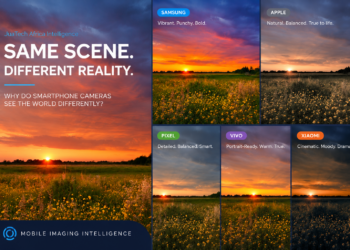
Why the Same Photo Looks Different on Every Smartphone
Learn why smartphone brands interpret and process the same scene differently.
The Rise of AI Imaging: Why Camera Hardware Still Matters
Examine how artificial intelligence is changing smartphone photography while reinforcing the importance of hardware.
How Smartphones Turn Light Into Photos: Understanding the Hidden Role of the ISP
Explore the invisible technology that transforms raw sensor data into photographs and videos.
Together, these technologies reveal a simple truth. Great imaging is rarely the result of a single specification, feature, or marketing claim. It emerges from an entire system working together to capture, process, interpret, and present reality.
The next time you watch a video created on a smartphone, remember that you are not simply seeing the work of a camera. You are seeing the result of an entire imaging ecosystem operating behind the scenes.
Sign-up to our Newsletter for Intelligent Briefs on Mobile Technology. Join our growing community.