

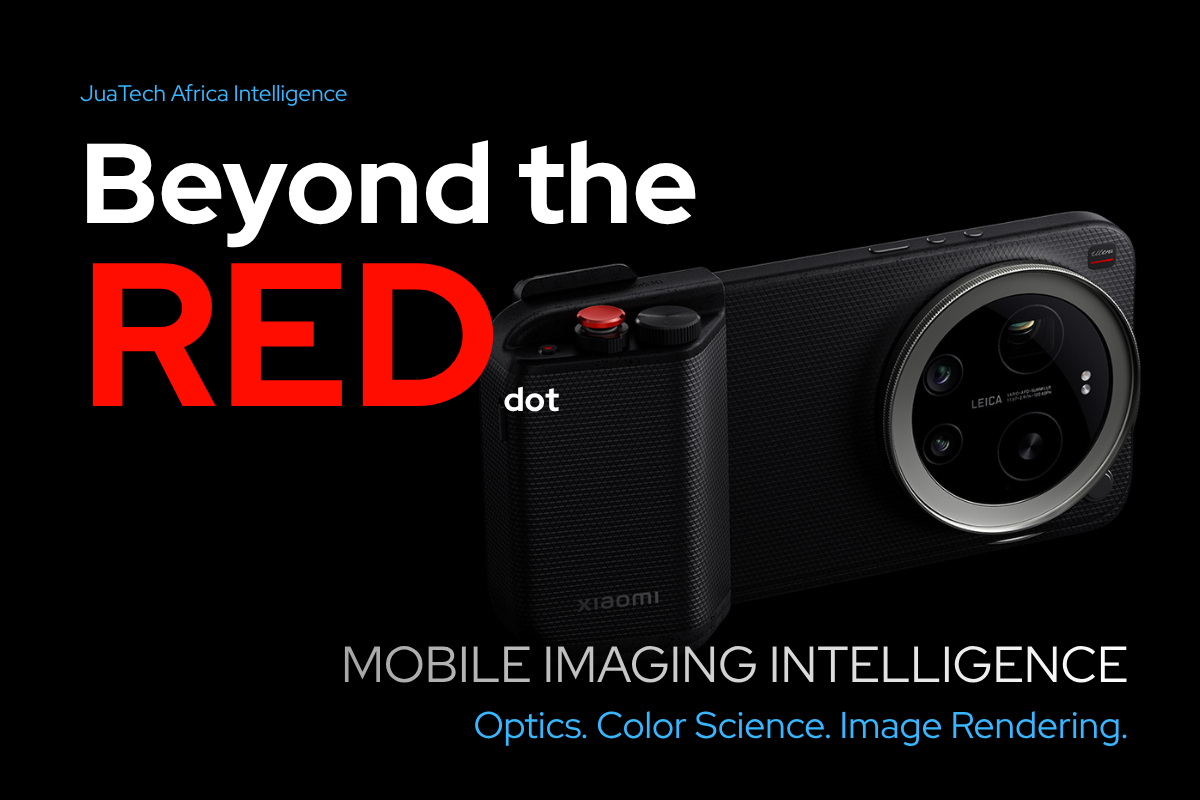
Millions of smartphone users recognize Leica from Xiaomi’s flagship camera phones, yet few understand what the legendary photography brand actually contributes. Beyond branding, Leica influences color science, image rendering, lens development, and photographic philosophy in ways that can shape how creators, vloggers, and smartphone photographers capture the world around them.
Beyond the Logo on the Camera Module
Leica and smartphone photography have become increasingly intertwined over the past few years. If you have researched flagship camera phones, watched smartphone camera comparisons, or searched for the best smartphone for content creation, chances are you have encountered the Leica name. The iconic red dot now appears prominently on Xiaomi’s most ambitious camera-focused devices, often accompanied by claims of professional photography, advanced optics, and authentic imaging experiences. Yet for many creators, vloggers, mobile photographers, and everyday smartphone users, an important question remains unanswered: what does Leica actually contribute to the smartphone photography experience?
The skepticism is understandable. Modern smartphones already combine powerful image sensors, sophisticated computational photography, and increasingly capable artificial intelligence systems. In an industry where premium partnerships are frequently used to strengthen marketing narratives, it is easy to assume that Leica’s role is largely symbolic. After all, can a company renowned for legendary cameras and lenses genuinely influence the photos and videos produced by a device that fits inside a pocket?
The answer matters because smartphone cameras have become the primary creative tool for millions of people worldwide. Content creators build audiences with them, vloggers document experiences with them, entrepreneurs market their businesses with them, and families preserve memories with them. As smartphone photography becomes increasingly central to how people create, communicate, and tell stories, understanding the expertise behind those images becomes increasingly valuable.
Leica occupies a unique position within the smartphone camera industry. Unlike Sony, which supplies image sensors that physically capture light, Leica’s influence extends into optics, color science, image rendering, and photographic philosophy. Its contribution is often less visible than a hardware specification, yet it can play a meaningful role in shaping how images look, feel, and connect with viewers. To understand Leica’s real impact on smartphone photography, we must look beyond the logo and explore what one of the most respected names in imaging truly brings to the smartphone era.
The Camera Company That Helped Shape Modern Photography
To understand why Leica remains relevant in the smartphone era, it is important to understand what the company represented long before smartphones existed. Leica’s story began in Germany more than a century ago, at a time when photography was largely confined to bulky equipment and specialist users. The company helped popularize compact cameras that made photography more accessible, portable, and spontaneous. In many ways, Leica contributed to a shift that transformed photography from a highly technical process into a more immediate form of visual storytelling.
That influence extended far beyond camera hardware. Throughout the twentieth century, Leica cameras became closely associated with photojournalism, documentary photography, and street photography. Some of the world’s most iconic images were captured using Leica equipment because photographers valued its combination of portability, precision, and reliability. Instead of carrying large camera systems, photographers could move through cities, conflict zones, cultural events, and everyday environments with a camera designed to capture moments as they unfolded.
What made Leica particularly influential was its philosophy. The company was never solely focused on technical specifications. Leica emphasized the relationship between the photographer and the subject, encouraging a style of image-making built around observation, timing, emotion, and authenticity. That philosophy helped shape generations of visual storytellers and contributed to the company’s enduring reputation within the photography community.
This heritage explains why Leica continues to command respect among photographers, creators, and imaging professionals today. When Leica enters a smartphone partnership, it brings more than a recognizable logo. It brings decades of experience in optics, image rendering, lens design, and photographic thinking. For creators seeking tools to tell compelling visual stories, that legacy is far more valuable than brand recognition alone. It provides the foundation for understanding why Leica’s influence continues to matter in modern smartphone photography.
Why Smartphone Brands Want Leica
Smartphone cameras have become one of the most fiercely contested battlegrounds in the technology industry. Processing power, display quality, and battery life remain important, but flagship smartphones increasingly compete on photography and videography. For many consumers, creators, and professionals, the camera system has become the single most important factor in purchasing decisions.
This shift has created a new challenge for smartphone manufacturers. Hardware specifications alone are no longer enough to stand out. Many flagship devices now use large image sensors, powerful processors, advanced computational photography systems, and increasingly sophisticated artificial intelligence tools. As a result, smartphone brands are seeking ways to differentiate themselves in a market where technical capabilities are becoming increasingly similar.
The challenge is no longer producing technically good photographs. Most premium smartphones are already capable of that. The real challenge is creating a distinct photographic identity. As smartphone photography matures, brands are increasingly competing not only on image quality, but also on how their images look, feel, and connect with users. In many ways, the question has shifted from “Can this phone take a good photo?” to “What kind of photographic experience does this phone deliver?”
This is where Leica enters the conversation.
When Xiaomi partnered with Leica, the objective extended far beyond adding a respected photography logo to a smartphone. Xiaomi was investing in a photographic philosophy developed over more than a century of image-making. The partnership provided access to Leica’s expertise in optics, image rendering, color science, and visual storytelling while allowing Leica to bring its approach to photography to a new generation of smartphone users.
For consumers, creators, and vloggers, the significance of this collaboration extends beyond branding. People do not buy flagship smartphones because of benchmark scores alone. They buy them for better portraits, more cinematic videos, richer travel photography, stronger social media content, and more effective visual storytelling tools. Smartphone brands understand this reality. Photography is no longer just a feature. It has become one of the primary ways people create, communicate, and express themselves.
Leica helps smartphone manufacturers compete on something that cannot be fully captured by a specification sheet: photographic character. In an industry where many devices share similar hardware foundations, that identity can become one of the most powerful forms of differentiation.
Beyond the Red Dot: What Leica Really Brings to Smartphones
By this point, an obvious question remains. If Leica does not manufacture smartphone image sensors, develop mobile chipsets, or build smartphones, what exactly does it contribute to the devices that carry its name?
The answer lies in a part of smartphone photography that is often overlooked. Capturing an image and creating an image are not the same thing. Modern smartphone cameras can capture enormous amounts of visual information, but countless decisions about color, contrast, tone, detail, and mood shape the final photograph. This is where Leica’s influence becomes most visible.
A Different Philosophy of Photography
At the heart of Leica’s contribution is a distinctive approach to image-making. For decades, Leica cameras have been associated with photography that feels natural, timeless, and emotionally engaging. Rather than pursuing aggressive processing or exaggerated visual effects, Leica’s philosophy has traditionally emphasized authenticity and visual balance.
This philosophy influences how smartphone images are developed and presented. Instead of simply producing technically impressive photographs, Leica seeks to create images that feel intentional. The goal is not only to capture what a scene looks like, but also to preserve how it felt when the shutter was pressed.
Color Science and the Leica Look
Among Leica’s most important contributions to smartphone photography is color science. Color science refers to how a camera interprets and reproduces colors, influencing everything from skin tones and skies to shadows and highlights.
This influence is most visible through Leica Authentic and Leica Vibrant, two imaging profiles available on Leica-branded Xiaomi smartphones.
Leica Authentic aims to deliver a more restrained and natural photographic style. Colors appear more realistic, contrast is carefully controlled, and images often carry a subtle cinematic quality that many photographers appreciate.
Leica Vibrant takes a different approach. Colors are brighter, contrast is more energetic, and images are designed to appear more striking on smartphone displays and social media platforms. Both profiles begin with the same scene, yet they can produce noticeably different visual experiences.
Editorial Insight
Leica Authentic vs Leica Vibrant
Leica Authentic
Leica Vibrant
Neither mode is objectively better. They reflect different interpretations of the same scene, giving users greater control over how their images look and feel.
Image Rendering Beyond Specifications
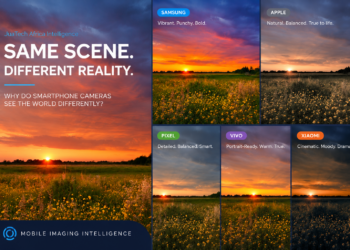
This is where photography becomes more art than engineering. Two smartphones can share similar hardware, use comparable image sensors, and process the same scene, yet still produce photographs with distinctly different visual character. Image rendering determines how a camera interprets reality through tonal balance, contrast, shadow depth, highlight control, color reproduction, and overall mood. This explains why two smartphones with seemingly similar specifications can produce images that feel remarkably different when viewed side by side.

The challenge facing smartphone manufacturers today is no longer producing technically good photographs. Most flagship smartphones are already capable of capturing sharp, detailed, and visually impressive images. As camera hardware continues to improve across the industry, the gap in technical image quality between premium devices has narrowed significantly.
As a result, smartphone brands are increasingly competing on something less obvious but equally important: photographic identity. The question is no longer simply whether a smartphone can take a good photo. The question is what kind of photo it produces. Does the image feel natural or dramatic? Cinematic or vibrant? Documentary-like or social-media ready? These choices shape how users experience a camera system and how creators develop a consistent visual style.
For creators, this distinction can be significant. A travel vlogger, mobile filmmaker, journalist, or content creator may prefer images that feel authentic and cinematic rather than heavily processed. Others may favor brighter colors and stronger contrast for maximum visual impact on social media platforms. In these situations, photographic character becomes just as important as technical image quality.
This is one of Leica’s most meaningful contributions to smartphone photography. Beyond hardware specifications, Leica helps shape the visual identity of the final image, influencing not only how a photograph is captured, but also how it is perceived and remembered.
Lens Tuning and User Experience
Leica’s influence also extends into optical collaboration and lens tuning. While smartphone manufacturers design and engineer the devices themselves, Leica works alongside partners such as Xiaomi to refine how the camera system behaves and how images are ultimately presented to users.
The objective is not merely sharper photos. It is to create a photography experience that encourages intentional image-making. From portrait and street photography to travel content and visual storytelling, Leica’s involvement is designed to bring smartphone photography closer to the traditions of dedicated camera systems.
Ultimately, Leica’s greatest contribution is not a single feature, lens, or camera mode. It is a philosophy that shapes how smartphone images look and feel. In a market where many devices share similar hardware foundations, that influence can become a meaningful differentiator for creators and smartphone photographers seeking more than just technical performance.
Can You Actually See the Difference?
This is perhaps the most important question in the entire discussion. If Leica contributes to color science, image rendering, and photographic philosophy, can ordinary users actually see the difference in the images they capture?
The answer is nuanced. In certain situations, Leica’s influence can be noticeable. Portrait photography is one example. Skin tones may appear more natural, contrast can feel more controlled, and images often avoid the heavily processed look that sometimes characterizes smartphone photography. Street photography and documentary-style photography can also benefit from Leica’s preference for natural rendering, helping scenes retain a stronger sense of realism and atmosphere.
Black-and-white photography is another area where Leica’s heritage becomes particularly relevant. The company has a long-standing reputation in monochrome photography, and that influence is often evident in tonal balance, contrast, and mood. For photographers who value visual storytelling, these characteristics can contribute to photographs that feel more intentional and emotionally engaging.
At the same time, perspective is important. Modern smartphone photography is heavily shaped by computational photography and artificial intelligence. Image processing algorithms, scene recognition, and software enhancements frequently have a greater impact on the final image than any single camera partnership. In many everyday situations, casual users may struggle to identify whether a photograph was captured using a Leica-branded smartphone or a competing flagship device.
For creators and photography enthusiasts, however, the difference often becomes apparent over time. The value is not necessarily found in a single image but in the consistency of an entire body of work. As smartphone brands increasingly compete on photographic identity rather than image quality alone, color rendering, tonal balance, and visual mood become part of a creator’s signature style. Leica’s influence is often subtle rather than dramatic, but for creators who care about storytelling and visual authenticity, those subtleties can become meaningful creative tools.
Leica, Xiaomi and the Future of Smartphone Photography
The future of smartphone photography will not be determined by camera hardware alone. Increasingly, it will be shaped by the relationship between computational photography, artificial intelligence, and the creative decisions that influence how images are processed and presented. This shift raises an important question: as AI becomes more powerful, will traditional photographic philosophies such as Leica’s still matter?
At first glance, the answer might appear to be no. Modern smartphones can already identify scenes, optimize exposure, remove unwanted objects, enhance portraits, improve low-light photography, and generate images that would have been impossible to capture with mobile devices only a few years ago. Artificial intelligence is becoming one of the most influential forces in mobile imaging, transforming smartphones from image-capturing tools into image-interpreting systems.
Yet this technological evolution creates a new challenge. As AI becomes increasingly capable of deciding how photographs should look, an important question emerges: whose vision is guiding those decisions? Every imaging system is built upon assumptions about color, contrast, realism, mood, and visual storytelling. Artificial intelligence may automate these decisions, but it does not eliminate the need for them.
This reality helps explain why partnerships such as Xiaomi and Leica may become even more important in the years ahead. Xiaomi brings advanced hardware, computational photography, and AI-driven imaging capabilities. Leica contributes decades of experience in optics, image rendering, and photographic philosophy. Together, they represent a model that combines technological innovation with human-centered image-making.
For creators, vloggers, and mobile filmmakers, this balance is particularly significant. The goal is not simply to produce sharper images or more powerful editing tools. The goal is to create photographs and videos that communicate mood, emotion, atmosphere, and story. As the creator economy continues to expand and mobile videography becomes increasingly professional, the demand for distinctive visual identity is likely to grow alongside advances in artificial intelligence.
The future of smartphone photography may ultimately belong to companies that successfully combine AI-powered imaging with a deep understanding of what makes an image feel human.
The Red Dot Is Only the Beginning
Leica’s role in smartphone photography extends far beyond branding. Long before smartphones became the world’s most popular cameras, Leica helped shape the evolution of modern photography through its contributions to optics, photojournalism, documentary storytelling, and the philosophy of image-making. That heritage continues to influence how some of today’s most advanced smartphones capture and interpret the world around us.
Through partnerships with companies such as Xiaomi, Leica brings more than a recognizable name to mobile devices. Its influence can be found in color science, image rendering, lens tuning, photographic character, and the broader philosophy that guides how images are designed to look and feel. In an increasingly competitive smartphone market, these qualities help create photographic identities that extend beyond hardware specifications and megapixel counts.
Consumers often notice Leica because of the red dot beside a smartphone camera module. The real value lies deeper. Through optics, color science, image rendering, and decades of photographic expertise, Leica helps shape how smartphone images look, feel, and tell stories. In an era increasingly defined by artificial intelligence, that human-centered approach to photography may be more relevant than ever.
Continue Exploring Mobile Imaging Intelligence
This article is part of JuaTech Africa’s Mobile Imaging Intelligence series, exploring the companies, technologies, and partnerships shaping the future of smartphone photography, mobile videography, and creator tools.
Continue your journey with:
- Why Sony Quietly Powers Many of the World’s Best Smartphone Cameras
- The Companies Behind Smartphone Cameras
- Zeiss and Vivo: Engineering Mobile Optics for the Smartphone Era
- AI Imaging: Is Software Becoming More Important Than Hardware?
- How Smartphones Became Professional Video Camera
Join the JuaTech Africa Community
Stay ahead of the technologies shaping the future of mobile photography, content creation, and digital storytelling.
Subscribe to the JuaTech Africa Newsletter for in-depth analysis, market intelligence, and creator-focused insights.
Join our WhatsApp Community to connect with fellow creators, smartphone enthusiasts, and technology professionals.
Follow JuaTech Africa on Facebook for the latest stories, discussions, and insights from the world of technology and innovation.