

Every serious student eventually confronts the same quiet frustration.
You sit in a lecture hall at Strathmore with a case study open, but your screen feels cramped. You review structural drawings at Kenyatta University, yet zooming in and out breaks your concentration. You scroll through research journals at UoN past midnight, and the battery icon begins to dictate your pace. You analyze health data at Amref University, and switching between documents slows your momentum. You prepare a strategy presentation at Daystar, and your device hesitates just enough to disrupt your flow. For media students at Multimedia University of Kenya, you need a reliable device just in case…

In those moments, you realize something important. A device does not merely display information. It either supports your thinking or interrupts it.
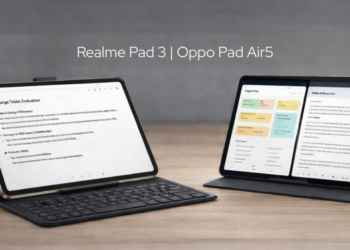
The Realme Pad 3 enters this conversation at a time when academic expectations have intensified. College and University life in 2026 demands more than note-taking. It requires research, collaboration, structured analysis, and disciplined output. Internationally priced at around 400 USD and likely retailing in Kenya for KES 60,000-70,000, depending on market conditions, this tablet does not fall into the casual purchase category. It represents a considerable investment.
The question, therefore, is not whether the Realme Pad 3 looks modern. The real question is whether it meaningfully serves ambitious students pursuing Architecture, Engineering, Research, MBA programs, Marketing, Public Health, Data and Analytics, and postgraduate scholarship.
Let us examine it with clarity and intellectual honesty.
The Display: Where Academic Life Actually Happens
Students read more than they realize. They read policy frameworks, technical diagrams, literature reviews, spreadsheets, code documentation, architectural sketches, and market reports. The screen is not decorative. It is cognitive space.
The Realme Pad 3 features an 11.6-inch display with a 2.8K resolution and a 120Hz refresh rate. These specifications translate into practical advantages. Text appears crisp during extended reading sessions. Split-screen multitasking remains usable, which matters when you draft an assignment while referencing a research article. Scrolling through long PDFs feels fluid rather than abrupt, which reduces mental friction.
For Architecture students, the larger canvas improves sketch review and conceptual visualization. For Engineering students, clarity supports schematic analysis and structured calculations. MBA candidates reviewing financial statements benefit from sharp text that preserves detail. PhD researchers navigating dense academic language experience less visual strain over prolonged sessions. Research work on the go is less tedious with a portable, reliable tool at hand.
Brightness reaches 550 nits, which performs reliably in lecture halls, libraries, and indoor workspaces. Direct sunlight may reduce visibility, yet most meaningful academic engagement unfolds indoors.
In short, the display supports sustained intellectual work rather than merely entertainment.
Performance: Responsiveness Under Academic Pressure
Modern coursework demands multitasking. Students rarely work within a single application. They consult Google Scholar, draft in Microsoft Word, reference notes in Notion, annotate PDFs in Xodo, communicate in WhatsApp groups, and attend online lectures simultaneously.
The Realme Pad 3 is powered by the MediaTek Dimensity 7300 Max processor and 8GB of RAM. In practice, this configuration handles mainstream academic workflows with ease. Applications open promptly. Switching between documents feels stable. Video conferencing remains smooth under typical conditions.
However, discernment matters. Advanced 3D rendering for Architecture, complex simulations for Engineering, and intensive data modeling for machine learning exceed mid-range boundaries. Students in those disciplines will still rely on high-performance laptops for production environments.
Nevertheless, for structured academic tasks such as writing, research synthesis, presentation development, case study analysis, and moderate data review, the tablet remains dependable. It reduces latency in thought execution, which preserves cognitive rhythm.
Battery Endurance: Freedom From Anxiety
Academic life stretches across long days. Morning lectures transition into afternoon library sessions. Group meetings extend into evening preparation. Intellectual ambition does not pause for low battery warnings.
The 12,200 mAh battery in the Realme Pad 3 changes this dynamic. Students can navigate full academic days without constant concern for charging points. Extended reading sessions, research browsing, and video lectures unfold without interruption. When charging becomes necessary, 45W fast charging restores capacity efficiently.
This endurance creates psychological space. You focus on ideas rather than percentages. You concentrate on substance rather than sockets.
Software Ecosystem: Where Scholarship Meets Intelligence
Modern academic life no longer unfolds in isolation. It operates within an interconnected digital ecosystem where ideas move across cloud platforms, collaborative spaces, and analytical tools.
Students draft assignments in Microsoft 365 and Google Workspace. They organize research through Zotero. They structure thinking inside Notion. They analyze performance metrics through Power BI dashboards. Architecture and design students sketch concepts digitally before refining them on high-performance systems. Marketing and business students develop presentations that demand clarity, narrative structure, and persuasive precision.
Increasingly, artificial intelligence shapes this environment.
AI is no longer optional in academia. It has become a thinking companion. Students use tools such as ChatGPT for conceptual clarification, Perplexity for research synthesis, Grammarly for writing precision, and AI-powered coding assistants for debugging and optimization. For postgraduate researchers and MBA candidates, AI accelerates literature reviews, scenario modeling, and idea testing. Used responsibly, it enhances comprehension rather than replacing effort.
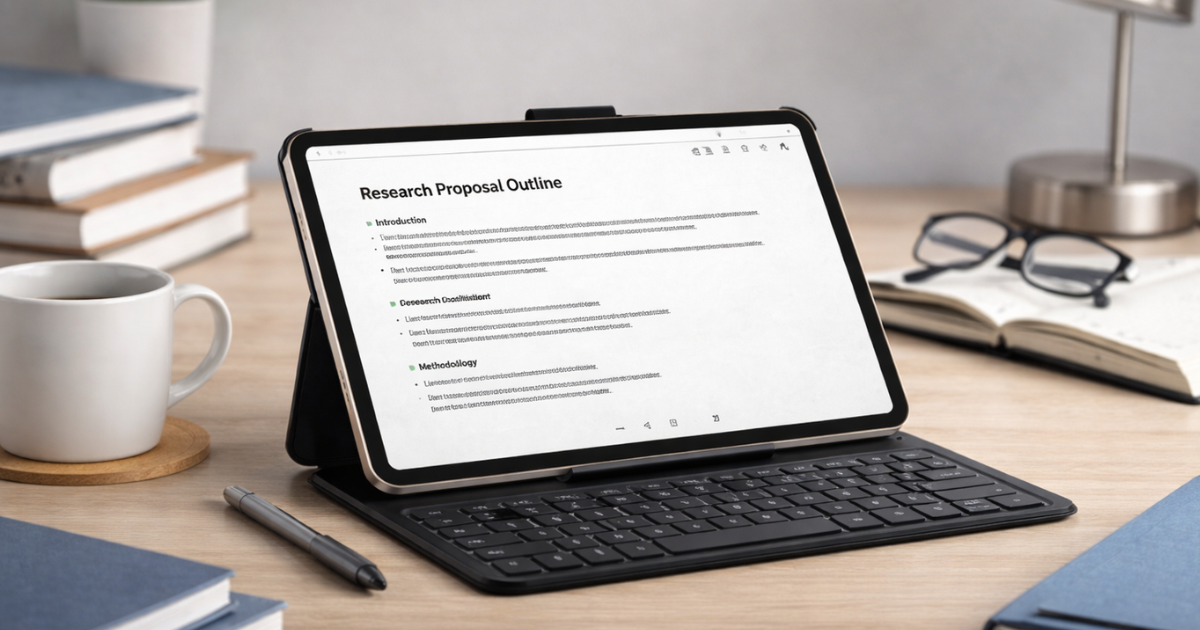
The Realme Pad 3 offers a large, responsive surface on which these tools function comfortably. The 11.6 inch display allows simultaneous engagement with AI platforms and source material. Students can interrogate complex concepts, cross-reference findings, and refine arguments without feeling constrained by screen limitations.
Running on Android 16 with Realme UI 7.0, the device integrates smoothly with contemporary academic applications. Stylus support enhances annotation, diagram sketching, and handwritten ideation, particularly for students in architecture, engineering, and data visualization. Although accessories are purchased separately, the option is available for those who prefer tactile interaction.
For data and analytics students, reviewing dashboards, interpreting charts, and drafting insights remains practical. For MBA candidates, case analysis and moderate financial modeling operate comfortably within the system’s limits. For research scholars, organizing literature, annotating dense PDFs, and structuring argumentation feel intuitive.
The device does not attempt to dominate the academic ecosystem. Instead, it fits into it. It adapts to existing workflows and supports structured thinking without imposing friction.
Connectivity: Mobility Without Compromise
Reliable connectivity shapes productivity. The cellular model supports 5G, which enhances connectivity in environments where Wi-Fi is inconsistent. Uploading assignments, attending virtual seminars, and accessing research databases become smoother processes.
Mobility supports ambition, particularly for students who balance internships, research fieldwork, and campus engagement.
The Real Cost: Clarity of Purpose Over Price Tags
At an estimated 60,000 to 70,000 shillings in Kenya, the Realme Pad 3 does not compete in the budget category. It stands alongside entry-level iPads and serious upper mid-range alternatives. That reality immediately shifts the conversation from affordability to intentionality.
This is no longer about whether the device is attractive. It is about whether it aligns with your academic direction.
If your daily rhythm revolves around reading journal articles, drafting assignments, building presentations, organizing structured notes, conducting literature reviews, and performing moderate analytical work, then the tablet’s strengths become evident. The expansive display supports sustained concentration. The battery endurance protects your study momentum. The overall performance preserves flow across essential academic applications.
However, if your discipline requires high-intensity computational modeling, advanced 3D rendering, large-scale coding environments, or professional-grade creative production, then intellectual honesty becomes necessary. In such cases, the Realme Pad 3 functions best as a secondary device for reading, annotation, and structured thinking, not as your primary production engine.
Therefore, the decision is not merely financial. It is philosophical.
You must understand the nature of your academic work. You must evaluate the depth of processing your field demands. You must distinguish between what feels impressive and what actually serves your objectives.
In the end, clarity of academic identity determines value more than any specification sheet ever could.
Final Perspective: Technology in Service of Purpose
Strathmore speaks the language of excellence and leadership.
KU respects rigor and technical depth.
UoN builds its name on research credibility and intellectual contribution.
Daystar cultivates communication, strategy, and influence.
Amref grounds knowledge in public health impact and real community transformation.
Across these institutions, one truth remains constant. Serious students carry serious expectations.
A device will never replace discipline. It will never substitute for late nights, difficult readings, or intellectual struggle. Yet it can shape the quality of your engagement. It can either sharpen your focus or fracture it. It can either sustain your momentum or quietly drain it.
The Realme Pad 3 positions itself not as a symbol of status but as a structured academic companion. Its expansive display respects the hours you spend reading and synthesizing. Its battery endurance protects your rhythm across long days. Its stable performance supports the steady demands of mainstream coursework. Its software ecosystem integrates into the tools modern scholarship now depends upon.
It does not claim workstation dominance. It does not promise limitless computational power. It does not attempt to impersonate a high-end creative engine. Instead, it operates within defined boundaries, and that honesty matters.
For students who understand their academic identity, who recognize the difference between aspiration and requirement, and who prioritize disciplined productivity over impulse buying, it can become a reliable instrument. Not a distraction. Not a vanity purchase. A tool.
Technology, at its best, amplifies intention. It removes friction from thought. It creates space for analysis. It enables structure where chaos might otherwise creep in. It serves mastery rather than ego.
The decision, therefore, rests not in specifications but in self-awareness.
Choose the device that aligns with your work.
Choose the tool that respects your discipline.
Choose with clarity.
Because your ambition deserves precision, and your future deserves intention.