

A Deal That Rewrites the Rules of Mobile Access
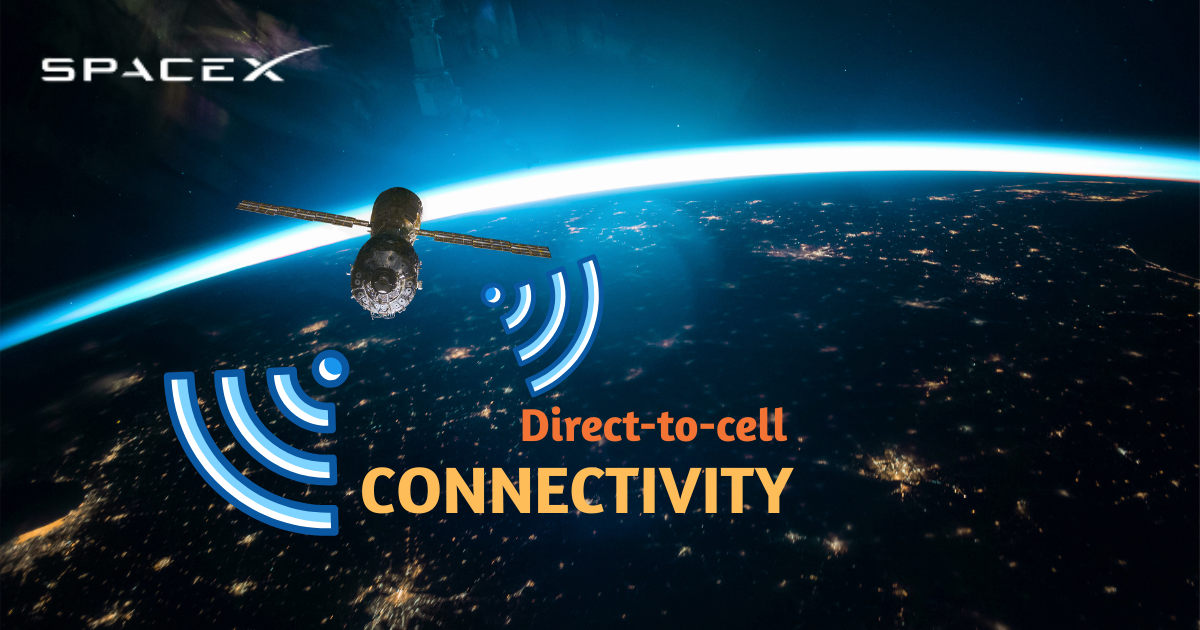
In one of the most significant connectivity moves in recent telecom history, SpaceX is acquiring EchoStar’s AWS-4 and H-block spectrum licenses in a $17 billion deal split between cash and SpaceX stock. The agreement strengthens SpaceX’s growing direct-to-cell ambitions through Starlink satellites, potentially allowing smartphones to connect directly to satellite networks without depending entirely on traditional mobile towers or fiber infrastructure.
For Kenya and Africa, where millions still face gaps in reliable mobile and internet access, the implications extend far beyond corporate strategy. This could influence the future of rural connectivity, digital inclusion, emergency communication, and how next-generation mobile networks evolve across underserved regions.

“This transaction allows for the combination of AWS-4 and H-block spectrum from EchoStar with the rocket launch and satellite capabilities from SpaceX to realize the direct-to-cell vision in a more innovative, economical, and faster way for consumers worldwide.” — Hamid Akhavan, CEO, EchoStar (EchoStar press release, Sept 8, 2025).
What Is Direct-to-Cell, and Why Does It Matter Here
The Tech Behind the Promise
SpaceX’s Direct to Cell (D2C) satellites orbit at 360 km and act as space-based cell towers. They connect directly to standard LTE phones – no special hardware or firmware tweaks required. Each satellite carries eNodeB payloads, phased array antennas, and regenerative networking capabilities, enabling services such as messaging, video calls, GPS, and even IoT connectivity.
“We’re advancing our mission to end mobile dead zones around the world,” — Gwynne Shotwell, President & COO, SpaceX.
Kenya’s Connectivity Crisis, and the Starlink Solution
Despite mobile penetration exceeding 91%, Kenya’s broadband access lags at 42%, with rural counties like Turkana, Samburu, and parts of Western Kenya still underserved. According to the GSMA, over 60% of sub-Saharan Africa’s population lives in areas with mobile coverage but doesn’t use mobile internet, mainly due to affordability and infrastructure gaps.
The Starlink’s D2C model could:
- Eliminate last-mile connectivity barriers
- Enable mobile access in off-grid regions
- Support e-learning, telemedicine, and mobile banking
- Catalyze rural e-commerce and agritech growth
Connectivity Snapshot: Kenya & East Africa vs. Starlink’s Potential
| Metric | Current Status | Starlink-Enabled Potential |
| Mobile Penetration (Kenya) | 91% (CAK, 2024) | Stable, but enhanced with satellite fallback |
| Broadband Access (Kenya) | 42% (CAK, 2024) | 70%+ by 2027 with D2C satellite rollout |
| Rural Internet Coverage | Patchy, tower-dependent | Universal via satellite-cell integration |
| Starlink Kit Price (Kenya) | KES 89,000 upfront + KES 6,500/month | May drop with mobile bundling & subsidies |
| E-commerce Growth (Rural Kenya) | 12% CAGR (2023–2025) | 18%+ CAGR with improved connectivity |
| Sub-Saharan Mobile Internet Usage | <40% of population (GSMA, 2024) | Could exceed 60% with an affordable satellite |
SpaceX Spectrum Acquisition | Strategic Implications for East Africa
Telcos Must Rethink Their Playbooks
Local giants like Safaricom, Airtel Kenya, and Telkom have invested in 5G pilots and fiber rollouts. However, SpaceX’s spectrum ownership now allows it to operate independently of terrestrial networks, potentially undercutting traditional telcos with low-latency, satellite-powered mobile services.
“With 50 MHz of dedicated spectrum, Starlink’s raw bandwidth increases by 1.5 Gbps,” notes telecom analyst Roger Entner, calling SpaceX a “kingmaker” in the D2C space.
Regulatory Readiness Is Key
Kenya’s ICT Policy 2020 supports universal access; however, the licensing of satellite spectrum remains unclear. Regulators must now prepare for:
- Spectrum-sharing frameworks
- Cross-border satellite coordination
- Consumer protection in hybrid mobile-satellite models
Something to Ponder | From Pain Points to Possibilities
For tech buyers, entrepreneurs, and policymakers, this is a strategic inflection point. The pain points of network unreliability, high data costs, and infrastructure delays could soon be addressed by satellite-powered mobile access.
But it demands:
- Policy agility to accommodate satellite-mobile convergence
- Strategic partnerships with device makers and ISPs
- Localized content to serve newly connected users in Swahili and regional dialects
Our Wrap!
This isn’t just a tech story; it’s a blueprint for digital equity. As SpaceX rewires the rules of mobile access, Kenya must seize the moment. JuaTech Africa is uniquely positioned to lead this conversation: we curate insights, educate buyers, and shape the future of connectivity.
“In this next chapter, SpaceX will develop next-generation Starlink Direct to Cell satellites… to enhance coverage for customers wherever they are in the world.” — Gwynne Shotwell, SpaceX.
Please also read our recently published article on Elon Musk, and an exclusive on Satellite Connectivity for the Masses.