

Mobile networks now shape how your phone performs in everyday life. They determine how fast apps load, how smooth your video calls feel, how responsive games are, and how reliable your connection remains when many people are online.
If you are using a modern device like the Samsung Galaxy S25 Ultra, you are already operating in a world where 5G is available. The real question is not whether 5G exists, but whether it meaningfully improves your experience over 4G.

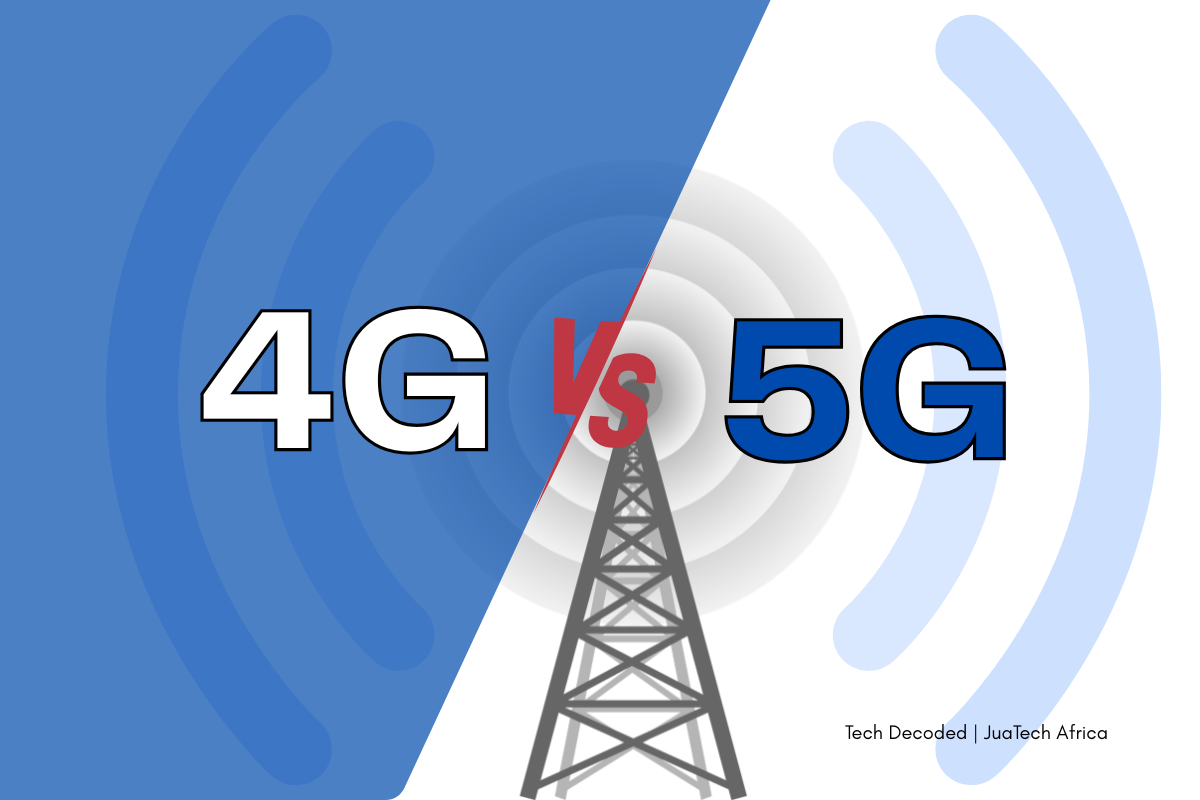
This guide breaks down 4G vs 5G speed difference, 5G vs 4G latency, and the real-world impact so you can make a clear, informed decision.
What are 4G and 5G?
4G (LTE) is the fourth-generation mobile network that made mobile internet fast and reliable enough for streaming, social media, and modern apps.
5G is the fifth-generation network designed to improve not just speed, but also latency, capacity, and stability under load.
The shift from 4G to 5G is not just about faster downloads. It is about how the network behaves under pressure and how quickly it responds to your actions.
How Mobile Networks Work (Why Performance Differs)
Your phone connects to nearby cell towers, which transmit your data to the internet. Performance depends on:
- Signal strength
- Network congestion
- Infrastructure quality
- Network generation (4G or 5G)
4G networks handle traffic efficiently, but they slow down when many users are connected. 5G networks are designed to handle many more simultaneous connections without degrading performance.
4G vs 5G Speed Difference
Speed is the most visible upgrade when comparing 4G vs 5G.
Typical 4G speeds:
- 10 to 100 Mbps in real-world conditions
Typical 5G speeds:
- 100 Mbps to over 1 Gbps, depending on coverage
What this means in practice:
- Faster downloads for apps and files
- Smoother high-resolution video streaming
- Less buffering during peak hours
However, speed gains depend heavily on coverage. In many areas, especially where 5G is still expanding, the difference may feel moderate rather than dramatic.
Key insight: Speed improves, but it is not always the biggest upgrade.
5G vs 4G Latency: The Real Advantage
Latency measures how quickly a network responds.
4G latency: Around 30 to 50 milliseconds
5G latency: As low as 1 to 10 milliseconds in ideal conditions
Why latency matters more than speed:
- Video calls feel natural and instant
- Online gaming becomes more responsive
- Apps react faster to input
- Real-time services perform better
Insight: This is the biggest real-world advantage of 5G over 4G.
Not All 5G is Equal (Important Reality Check)
One of the biggest information gaps is this: not all 5G delivers the same experience.
There are three main types:
- Low-band 5G: Wide coverage, speeds similar to 4G
- Mid-band 5G: Best balance of speed and coverage
- mmWave 5G: Extremely fast speeds, but very limited range
This explains why some users feel that “5G is not that fast.” The experience depends on the type of 5G available in your area.
Real-World Difference: What You Actually Feel
In real-world use, the difference between 4G and 5G shows up in consistency and responsiveness.
Where 5G makes a clear difference:
- Crowded environments like cities and events
- High-quality video streaming
- Uploading large files quickly
- Gaming and live applications
Where 4G is still sufficient:
- Social media and messaging
- Web browsing
- Standard video streaming
At JuaTech Africa, the biggest gains from 5G are in network stability under load, not just raw speed.
4G vs 5G: Key Differences
| Feature | 4G (LTE) | 5G |
| Speed | Fast | Much faster |
| Latency | Moderate | Very low |
| Network Capacity | Limited | High |
| Performance in Crowds | Drops | Holds better |
| Future Readiness | Mature | Expanding |
Is 5G Worth It in 2026?
This is the decision most users are trying to make.
Choose 4G if:
- Your usage is basic
- 5G coverage is weak in your area
- You want to minimize costs
Choose 5G if:
- You stream, game, or work online regularly
- You want faster downloads and uploads
- You are buying a new phone
In 2026, 5G is worth it if coverage is strong and pricing is reasonable. Otherwise, 4G remains fully capable.
In markets like Kenya, network performance is still influenced by coverage and infrastructure rollout.
- 4G remains the most widely available and reliable
- 5G is expanding in urban areas
- Real-world experience often shifts between 4G and 5G
This means your experience depends more on where you are than what your phone supports.
Practical Context: Kenya and Similar Markets
Common Misconceptions
- 5G does not always deliver extreme speeds
- Strong 4G can outperform weak 5G
- Device compatibility and supported bands matter
- Battery usage can increase in unstable 5G areas
Understanding these factors helps you avoid unrealistic expectations.
FAQs
- Is 5G faster than 4G in real life?
Yes, but the difference depends on coverage and network type. In strong 5G areas, speeds are significantly higher.
2. Does 5G increase internet speed or just stability?
Both. It improves speed and significantly enhances stability, especially when many users are connected.
3. What is the biggest real-world advantage of 5G over 4G?
Lower latency and better performance in crowded environments. This makes connections feel faster and more responsive.
4. Is 5G worth it in 2026?
Yes, if coverage is strong in your area and you use data-intensive applications. Otherwise, 4G is still sufficient.
5. Why does my phone switch between 4G and 5G?
This happens based on signal strength and network availability. It is normal behavior.
6. Does 5G drain battery faster?
It can work in weak signal areas due to constant network switching.
Final Take
4G made mobile internet fast and accessible.
5G is making it faster, more responsive, and more reliable under pressure.
The real difference is not just speed. It is how the network performs when you need it most.
For most users today:
-4G is still enough for everyday use
-5G is the upgrade that prepares you for the future
The smart move is to upgrade when coverage, device, and value align. That is where 5G delivers real impact, not just better numbers.