

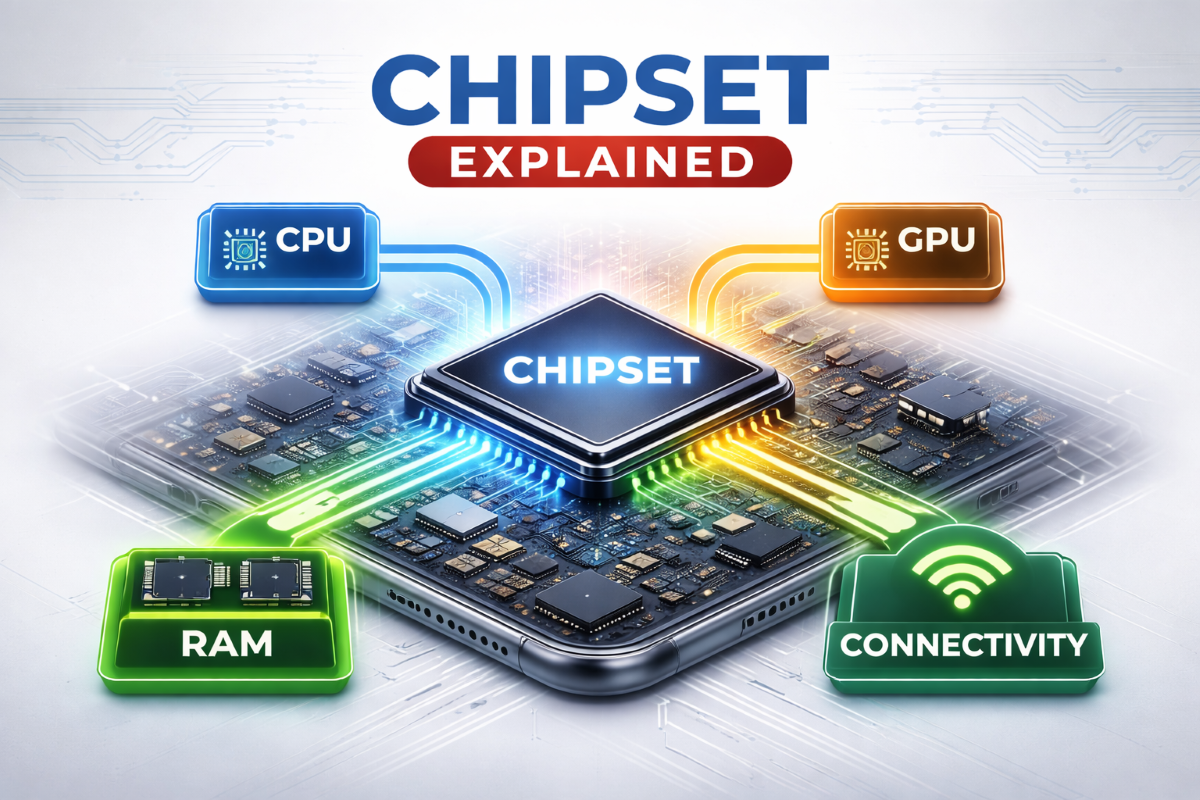
Every time you unlock your smartphone, open apps, take photos, or connect to the internet, dozens of complex processes begin instantly. Apps load without delay. Videos play smoothly. Photos are processed in seconds. Network connections are established automatically. All of this happens because a single integrated system in your device coordinates everything in real time.
That system is called the chipset.

The chipset is the foundation of your smartphone’s capability. It combines processing power, graphics performance, connectivity, camera systems, memory access, and intelligent features into a single unified platform. It ensures that every part of your device works together efficiently, reliably, and without delay.
While individual components, such as the processor, perform specific roles, the chipset integrates and manages the entire system. It determines how well your smartphone performs, how efficiently it uses battery power, how capable its camera is, and how stable it remains over time.
Understanding the chipset helps you understand your device beyond surface-level specifications. It explains why two phones with similar RAM and storage can perform very differently. It reveals the true technological foundation powering your smartphone.
What is the difference between a Chipset and Processor? Read our in-depth explainer on Processors.
What Is a Chipset?
A chipset is a highly integrated electronic system that contains and manages the essential components required for your smartphone to function.
In modern smartphones, the chipset is implemented as a System-on-Chip (SoC). This means multiple critical systems are integrated into a single piece of silicon rather than existing as separate physical components.
This integrated design allows the chipset to serve as the central operational platform of your device.
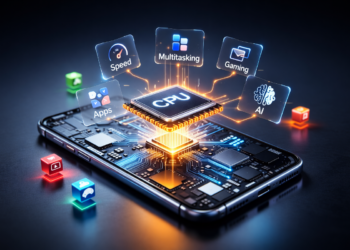
A typical smartphone chipset integrates several specialized systems, including:
- The CPU, which handles general processing tasks
- The GPU, which manages graphics and visual rendering
- The memory controller, which manages data flow between memory and processing units
- The image signal processor, which handles camera data processing
- The modem, which enables cellular network connectivity
- Connectivity modules for Wi-Fi, Bluetooth, and GPS
- The AI engine, which enables intelligent features and automation
These components do not operate independently. The chipset coordinates them as a unified system, ensuring efficient communication and performance.
Without the chipset, your smartphone would not function.
Why Modern Smartphones Use System on Chip (SoC) Design
Early computing systems relied on separate physical chips for different functions. The processor, graphics unit, connectivity modules, and memory controllers existed independently. These components communicated through external connections, which introduced delays, increased power consumption, and reduced efficiency.
Modern smartphones use System-on-Chip (SoC) designs to eliminate these limitations.
In SoC architecture, all critical components are integrated into a single chip. This offers several key advantages.
Faster System Communication
Because components are physically integrated, they can exchange data instantly. This improves responsiveness and overall performance.
For example, when you open the camera app, image data moves immediately from the camera sensor to the image processor and display without delay.
Improved Battery Efficiency
Integrated systems require less power to communicate internally. This reduces energy consumption and improves battery life.
Efficient chipsets allow smartphones to perform complex tasks without unnecessarily draining the battery.
Reduced Heat and Improved Stability
Efficient communication reduces energy waste, which minimizes heat generation. This improves device stability and long-term reliability.
Devices with efficient chipsets remain stable even during intensive tasks such as gaming or video recording.
Compact Device Design
Integration allows manufacturers to build powerful smartphones within compact physical designs. Without chipset integration, modern smartphone form factors would not be possible.
How the Chipset Coordinates Everyday Smartphone Tasks
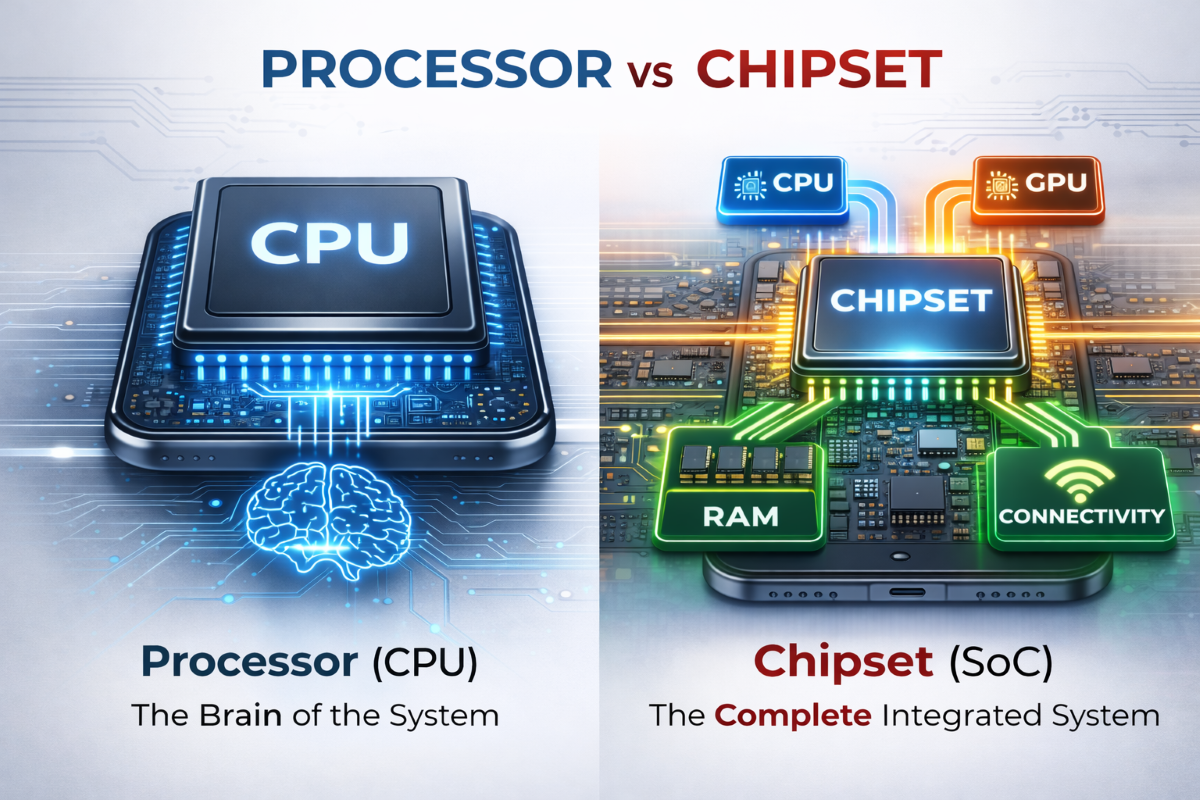
Every function your smartphone performs depends on the coordination of its chipset.
Consider a simple example: opening a social media app. The chipset performs several tasks simultaneously:
- It uses the CPU to load the application
- It accesses memory to retrieve stored data
- It uses the GPU to render visual content on the screen
- It uses the modem or Wi-Fi module to connect to the internet
- It manages power consumption to maintain efficiency
All of this happens within seconds.
Similarly, when you take a photo, the chipset coordinates camera hardware, image processing, storage, and display output simultaneously.
Without chipset coordination, these tasks would not occur smoothly. The chipset ensures that your device responds instantly and reliably.
The Chipset Enables Camera Performance and Image Processing
Modern smartphone cameras rely heavily on their chipsets’ capabilities. While camera sensors capture raw image data, the chipset processes and refines that data into the final image you see.
The chipset includes a specialized component called the Image Signal Processor (ISP).
The ISP performs critical image processing tasks such as:
- Enhancing image clarity
- Adjusting brightness and exposure
- Improving color accuracy
- Reducing image noise
- Processing HDR photography
For example, when you take a photo in low light, the ISP automatically enhances brightness and detail. This process happens instantly.
Without chipset processing, modern smartphone photography would be significantly limited.
Camera quality depends not only on the camera sensor but also on the chipset’s capabilities.
The Chipset Powers Connectivity and Network Performance
Connectivity is another critical function controlled by the chipset. Modern chipsets include integrated modems and connectivity modules that enable:
- Mobile network connectivity (4G and 5G)
- Wi-Fi connectivity
- Bluetooth communication
- GPS positioning
These systems allow your device to connect to the internet, communicate with other devices, and access location services.
For example, when you switch from Wi-Fi to mobile data, the chipset manages the transition automatically.
Efficient connectivity management ensures stable internet performance and reduces power consumption.
The Chipset Enables Intelligent and AI-Powered Features
Modern smartphones include intelligent features powered by artificial intelligence. These features rely on dedicated processing units integrated within the chipset.
The chipset’s AI engine enables capabilities such as:
- Face unlock and biometric recognition
- Smart camera scene detection
- Voice assistants such as Google Assistant
- Real-time language translation
- Intelligent battery optimization
For example, when your phone automatically adjusts camera settings based on lighting conditions, the chipset’s AI engine performs that analysis instantly.
AI integration enhances both performance and efficiency. It allows smartphones to deliver advanced functionality while conserving system resources.
Chipset Efficiency Directly Affects Battery Life and Device Longevity
Chipset efficiency plays a critical role in battery life. Efficient chipsets perform tasks using less power. This reduces battery drain and extends device usage time. Modern chipsets use advanced manufacturing technologies designed to improve efficiency.
Efficient chipsets offer several long-term benefits:
- Improved battery life
- Reduced device overheating
- Improved performance stability
- Longer device lifespan
Devices with efficient chipsets remain reliable and responsive over time.
Major Smartphone Chipset Manufacturers
Several companies design and manufacture smartphone chipsets.
Each produces chipsets optimized for different performance levels.
Qualcomm Snapdragon
Snapdragon chipsets power many Android smartphones. They are known for strong performance, efficient connectivity, and reliable operation.
Snapdragon chipsets are widely used across premium and midrange devices.
MediaTek
MediaTek chipsets power many smartphones globally. They offer strong performance and excellent efficiency.
MediaTek chipsets are widely used across Africa due to their strong balance between performance and affordability.
Apple Silicon
Apple designs chipsets specifically for its own devices. Apple chipsets deliver exceptional performance and efficiency through tight hardware-software integration.
Samsung Exynos
Samsung develops Exynos chipsets for selected smartphones. Exynos chipsets offer competitive performance depending on the device and chipset generation.
Why Understanding the Chipset Matters
Understanding the chipset helps you evaluate your smartphone accurately. It helps you understand:
- Overall device performance capability
- Camera processing capability
- Connectivity performance
- Battery efficiency
- Long-term reliability
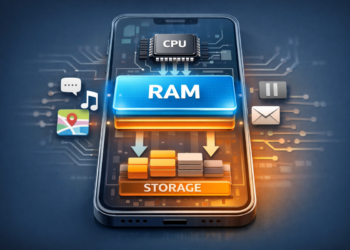
Many smartphone specifications focus on RAM and storage. However, the chipset determines how effectively those components operate.
Understanding the chipset helps you interpret device capabilities more accurately.
It helps you make informed technology decisions.
Bringing Clarity on Chipsets
The chipset is the technological foundation of your smartphone. It integrates processing, graphics, connectivity, camera systems, and intelligent features into one unified platform.
It ensures that every component of your device works together efficiently and reliably.
Every action your smartphone performs depends on the coordination of its chipset.
Understanding the chipset helps you understand your device’s true capabilities.
It gives you clarity, confidence, and control over your technology decisions.
Because understanding the chipset means understanding the system that powers your smartphone.